


National Guard Deployments: Patrols in Memphis and Legal Battles in Illinois
Memphis on Alert
In an unprecedented move, National Guard troops began patrolling Memphis, Tennessee, on a Friday, marking the first such deployment in the city. This move comes as Memphis grapples with ongoing violent crime issues, including assaults and homicides. The announcement for the deployment followed President Donald Trump’s recent decision to bolster law enforcement efforts amid concerns over rising violence in various U.S. cities.
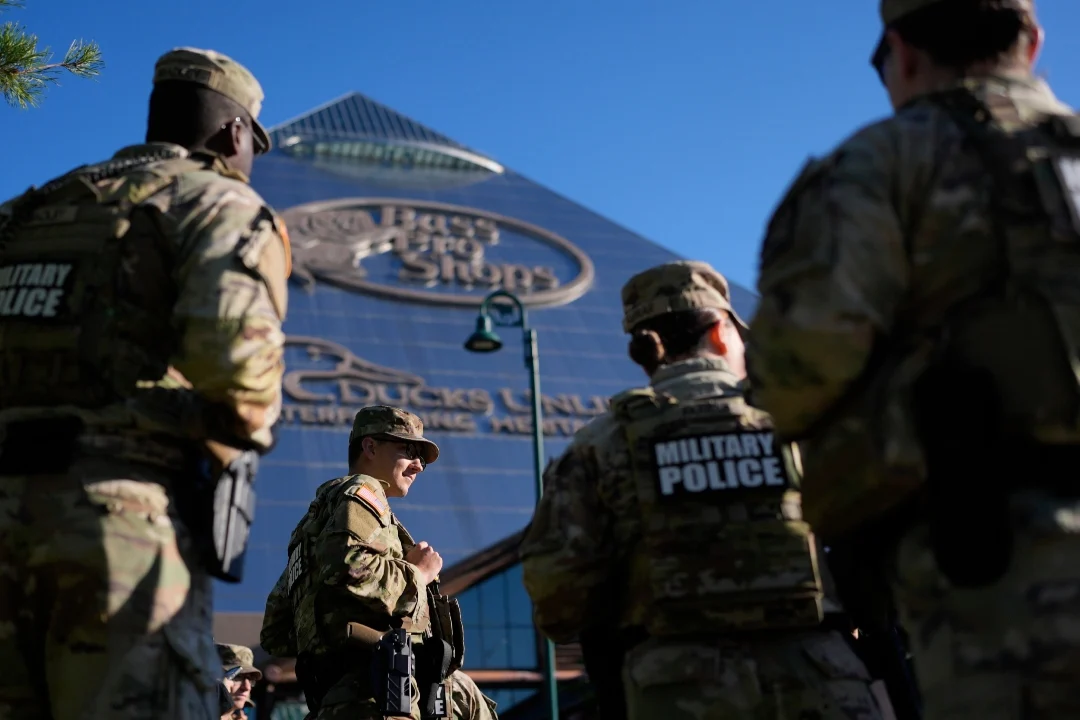
The patrol began at the iconic Bass Pro Shops located within the converted Pyramid, a well-known landmark just a short distance from historic Beale Street and the FedEx Forum, where the Memphis Grizzlies play. Guard members, dressed in military fatigues and protective vests labeled “military police,” were seen engaging with tourists at a nearby welcome center along the Mississippi River, raising both curiosity and apprehension among locals.
Mayor’s Reaction and Community Sentiment
Interestingly, Memphis Mayor Paul Young stated that he did not request the Guard’s presence. His intention echoed the community’s sentiment: the deployment should focus on addressing violent offenders rather than intimidating the general public. Police Chief Cerelyn “CJ” Davis voiced similar hopes, aiming for the troops to assist in traffic management and maintain a presence in retail areas, rather than acting as enforcers or operating checkpoints.
However, community opinions diverge regarding the necessity of this military presence. Some residents, like Loretta Davis, criticized the deployment as “totally useless,” arguing that funds allocated for the Guard could be better spent on community improvements and providing youth with more opportunities.
The Situation in Illinois
Meanwhile, Illinois experienced its own turmoil as a federal judge blocked the deployment of National Guard troops to the Chicago area. This legal setback followed weeks of tensions between federal agents and protesters at an immigration enforcement building. U.S. Senators Dick Durbin and Tammy Duckworth expressed frustration after being barred from visiting the facility, highlighting a growing sense of distrust between state officials and the federal administration.
Duckworth questioned the government’s transparency and accountability, asking, “What are you afraid of?” Her remarks symbolize the rising discontent among local leaders regarding federal interventions and their perceived excessive nature.
Legal Challenges Surrounding Deployments
The ruling by U.S. District Judge April Perry to block the troops in Illinois stems from a broader political and legal struggle surrounding Trump’s assertion that urban centers face rampant crime. Judge Perry found no justification for the military presence, stating that civil authorities have effectively managed public order without resorting to military enforcement. She cited increases in arrests and deportations as evidence that existing law enforcement was meeting its responsibilities.
This court order not only represents a significant legal victory for local Democratic leaders but also adds to the ongoing debate about the use of federal troops in urban areas, as the judge emphasized that no substantial threat of rebellion existed that would necessitate military involvement.
Federal Appeals and Stalled Deployments
The complexity of the situation is compounded by ongoing federal appeals. According to reports, the order blocking the deployment in Illinois is set to expire soon, with a potential extension hearing scheduled for late October. In the meantime, National Guard personnel from Texas and Illinois remained in a standby capacity, focusing on planning and training rather than operational activities.
This legal drama does not stop in Illinois; concerns about the deployment of ongoing National Guard troops in other cities, such as Portland, remain unresolved. Recent court rulings have similarly challenged the federal government’s authority to mobilize state troops, reflecting a nationwide debate on the role of military forces in civil affairs.
Community Perspectives
The community responses in both Memphis and Illinois reveal a complex landscape of public sentiment regarding security and federal intervention. While some support increased measures aimed at mitigating crime, others argue for more community-focused solutions. The discourse surrounding these deployments reflects broader trends in public safety and governance across the United States.
As cities navigate their unique challenges related to crime, public trust, and federal assistance, the implications of these National Guard deployments continue to unfold, raising important questions about the nature of law enforcement and military engagement in civilian life.