


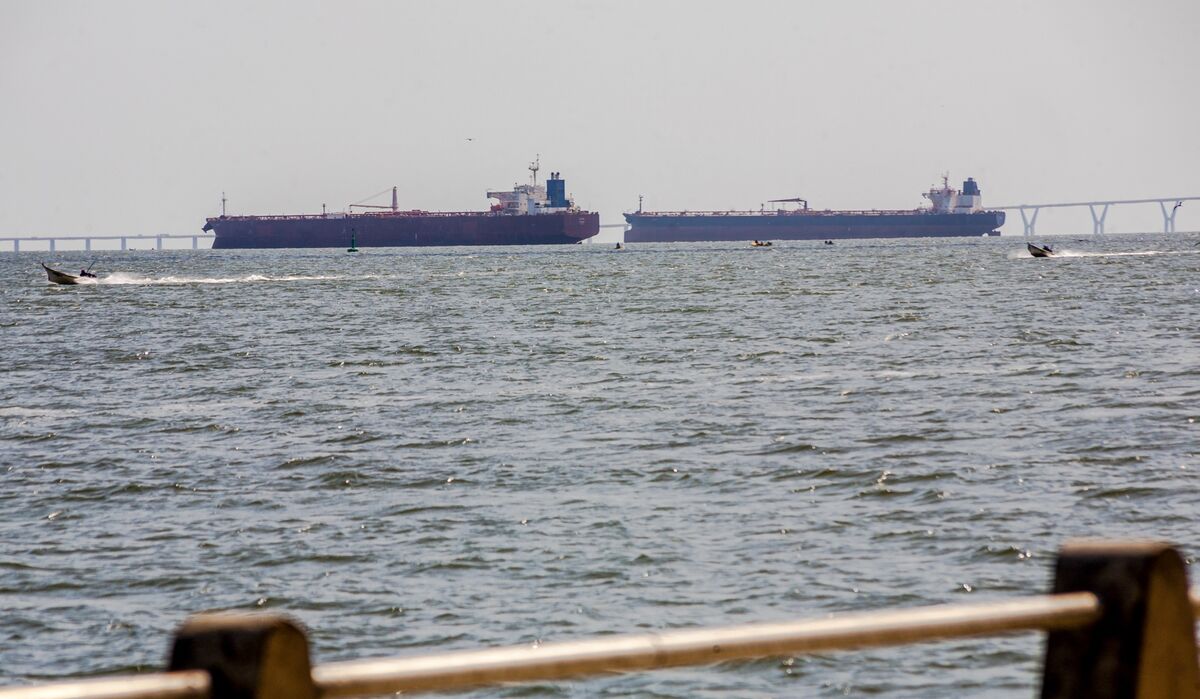
The Shifting Tides of Oil Transport to Venezuela
Overview of the Current Situation
Venezuela, once a thriving oil powerhouse with vast reserves, is facing a dramatic shift in its oil export landscape. As the geopolitical tensions escalate and the U.S. government ramps up its sanctions, more oil tankers are choosing to turn away from Venezuelan ports. The core of this issue rests on the U.S. administration’s intensified threats to seize vessels transporting oil that, in its view, financially empowers the regime of President Nicolás Maduro.
The U.S. Sanctions Regime
The United States has long imposed sanctions against Venezuela, primarily targeting its oil exports, which have dwindled in recent years. These sanctions are rooted in concerns over human rights abuses, corruption, and the alleged illegitimacy of Maduro’s government. As a result, Washington has warned shipowners and operators that they face potential legal repercussions if they engage in trade that props up the Maduro regime. The threat of vessel seizures acts as a strong deterrent, dissuading many from risking their assets.
The Economics of Oil Transport
Oil tankers operate in a highly competitive and economically sensitive environment. The choice to transport oil to Venezuela is not merely a matter of political allegiance but also a financial decision. With the threat of sanctions looming, many shipowners are concerned about the financial implications of engaging in trade with Venezuela. Shipowners fear facing hefty fines, losing access to crucial markets, or having their vessels confiscated. This anxiety is reflected in the growing number of cargo ships that are opting for routes elsewhere, highlighting the intricate connection between geopolitics and economics in the oil market.
Impact on Venezuela’s Oil Industry
Venezuela’s oil industry, already crippled by years of mismanagement and lack of investment, now faces an existential threat from reduced tanker traffic. As ships divert to more stable countries, the Maduro regime’s ability to generate revenue dwindles further. The Venezuelan economy, heavily reliant on oil exports for its sustenance, is bracing for further hardships. Moreover, vital infrastructure needs maintenance and investment, both of which are sorely lacking due to diminished export levels and international isolation.
Alternative Markets
Interestingly, as U.S. sanctions push traditional suppliers away from Venezuela, some nations have seized the opportunity to step in. Countries like Russia and China have shown willingness to continue trading with Venezuela, albeit under increasingly complex and often covert circumstances. This dynamic underscores the evolving nature of international alliances, where traditional geopolitical boundaries shift as countries seek to maximize their strategic interests.
Response from the Maduro Regime
In response to the changing landscape, the Maduro regime is adopting alternate strategies, including leveraging backdoor deals and clandestine shipping arrangements. Such methods aim to circumvent sanctions, yet they come with inherent risks. These increasingly shadowy practices can lead to logistical challenges and heighten the likelihood of disputes — not just with international authorities, but also among local factions vying for control over a waning resource.
The Broader Geopolitical Landscape
The decline in oil tanker traffic to Venezuela is a microcosm of broader shifts in global energy dynamics. Countries around the world are reassessing their alliances and trade practices amid rising tensions. Energy independence, sustainability efforts, and geopolitical rivalries are causing nations to rethink their partnerships. As the U.S. refines its approach to global energy trading, countries like Iran, Russia, and Venezuela could redefine their strategies in response.
Conclusion
While this article does not aim to resolve the complexities of the current situation, it sheds light on the multi-dimensional narratives at play. The reduction in oil tankers heading to Venezuela epitomizes a changing global order, reflecting the intricate interplay of economics, politics, and international relations. As the situation evolves, stakeholders in the global oil market will undoubtedly watch closely, anticipating the next chapter in Venezuela’s long and tumultuous relationship with oil.