


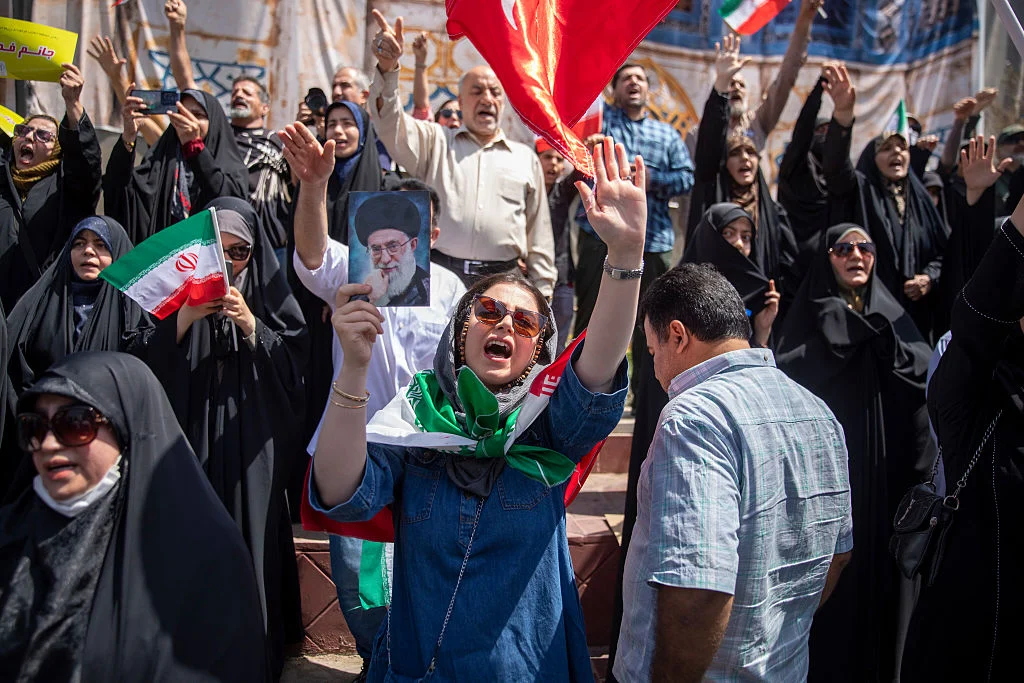
Iranian Protests: A Clash of Voices and Powers
DUBAI, United Arab Emirates (AP) — Iran is currently witnessing a significant wave of unrest. On a Friday morning marked by heated confrontations, the country’s supreme leader, Ayatollah Ali Khamenei, delivered a stark message to protesters who took to the streets and screamed from their windows overnight. His declaration implied a formidable crackdown by Iranian security forces in response to demonstrators who openly challenge U.S. President Donald Trump’s recent assurances of support for peaceful protests.
The Challenge to Authority
Khamenei accused protesters of “ruining their own streets to make the president of another country happy,” referring to Trump. During this upheaval, cries of “Death to America!” reverberated through Iranian neighborhoods, broadcasted by state television. The supreme leader dismissed Trump as having “hands stained with the blood of Iranians,” signaling the tension not only between the Iranian government and its citizens but also with the U.S., which has been publicly backing the demonstrations.
Despite the Iranian government’s attempts to silence dissent—cutting off the internet and international phone access—activists have managed to share short online videos depicting protesters rallying against the regime. These clips show people gathered around bonfires, chanting against a government that they hold responsible for an ailing economy and rampant corruption.
The Role of Crown Prince Reza Pahlavi
Among those challenging the Iranian regime is Crown Prince Reza Pahlavi, the son of the last Shah. His recent call for protests represents a delicate intersection of history and current events. As the protests gained momentum, Pahlavi’s instructions for people to assemble at 8 p.m. served as a pivotal rallying cry. Observers noted that this moment encapsulated a longing for a past that many associates with stability and prosperity before the 1979 Islamic Revolution.
While some demonstrators echoed support for the shah in their chants, the full implications of this sentiment are complex. It raises questions about whether the public is rallying behind Pahlavi as a leader or merely expressing nostalgia for a different era.
Rising Casualties and Detentions
As the protests unfolded, reports emerged detailing the tragic consequences of dissent. At least 42 individuals have reportedly lost their lives, with over 2,270 apprehended, according to the U.S.-based Human Rights Activists News Agency. The toll reflects a harsh reality: the Iranian government has undertaken a heavy-handed approach to quell unrest, which raises profound concerns about the rights of citizens to express their discontent.
Holly Dagres, a senior fellow at the Washington Institute for Near East Policy, remarked on how Pahlavi’s influence seems to have galvanized public sentiment, suggesting that the internet blackout may have been implemented precisely to obscure images of the protests from global viewers. This cover may have emboldened security forces to act with impunity.
The Thursday Night Protests
The night preceding the internet shutdown became a defining moment in the current wave of protests. As the clock struck 8 p.m. Thursday, chants filled the air with cries against the government and expressions of longing for the shah. Witnesses reported vast gatherings, with demonstrators shouting “Death to the dictator!” and “This is the last battle! Pahlavi will return!”
Pahlavi, speaking amidst the chaos, condemned the regime’s efforts to block communication as an attempt to stifle the voice of the people. He urged European leaders to join Trump in holding the Iranian government accountable and emphasized the necessity of restoring communication lines for the safety and rights of the Iranian people.
The International Dimension
The protests are not merely a local phenomenon; they have drawn international attention, particularly from the United States. Trump has vowed to respond decisively if protesters are met with excessive violence. In various statements, he underscored America’s commitment to supporting Iranian citizens who seek freedom, making it clear that any violent crackdown would trigger serious repercussions for Tehran.
As the situation continues to evolve, Trump further implied that Khamenei may be contemplating his future amid the unrest, suggesting the regime’s grip on power could be precariously slipping.
A Snapshot of the Current Crisis
What we see unfolding in Iran is multifaceted—a clash of voices seeking reform, historical echoes of monarchy, and the entangled international forces at play. From Khamenei’s authoritarian responses to Pahlavi’s calls for solidarity, the protesting citizens stand at a crucial crossroads, navigating a turbulent landscape fraught with risks, hopes, and potential change.