


Analyzing the U.S. Military Operation in Venezuela: Reactions and Ramifications
On January 3, 2026, President Donald Trump initiated a significant military operation in Venezuela, resulting in the capture of President Nicolás Maduro and his wife. This bold move has ignited a firestorm of debate and controversy across the political spectrum in the United States.
Republican Response: A Victory Over Narcoterrorism
In the immediate aftermath, Republican lawmakers across the nation took to social media to express their support for the operation. Many branded Maduro as a “narco-terrorist,” citing his government’s alleged complicity in drug trafficking and the resulting loss of American lives. The narrative positioned the operation as a necessary step to combat what they described as a looming threat, underscoring the administration’s commitment to national security.
In a news conference shortly after the operation, Trump emphasized the U.S.’s intentions to “run” Venezuela in the wake of the capture. He articulated a vision where major U.S. oil companies would invest substantially to revitalize the crumbling Venezuelan oil infrastructure. Currently, Chevron remains the only American oil company allowed to operate in Venezuela, but Trump’s announcement hinted at a much larger roll-out of economic engagement.
The Oil Factor: Concerns from the Opposition
Democrats swiftly articulated their concerns regarding the true motivations behind the operation, suggesting an ulterior motive rooted in oil interests rather than humanitarian or democratic objectives.
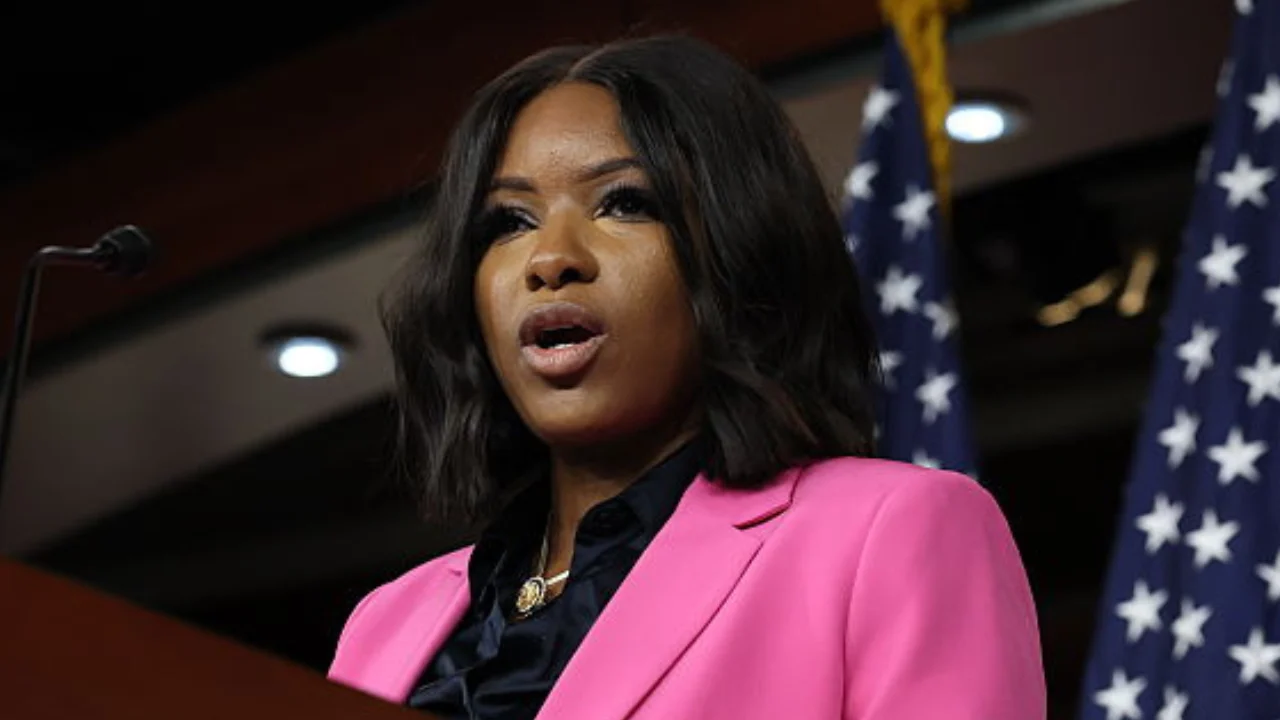
Texas Representative Jasmine Crockett was among the prominent voices criticizing Trump’s declaration of American authority over Venezuela. In a heated post on X, she questioned the wisdom of declaring intentions to “run” a foreign country while failing to effectively govern back home. “Clearly, the President has decided that Congress is nothing more than a pesky accessory. This is ABOUT OIL!!!” she stated, emphasizing her belief that economic interests were at the forefront of this military decision.
Constitutional Concerns: Bypassing Congress
Other Democrats zeroed in on constitutional violations, arguing that such military actions ought to require Congressional approval. Representative Ayanna Pressley articulated that Trump’s maneuvers represented significant overreach, raising alarms about the implications for U.S. lives and regional stability. “This is a brazen violation of our Constitution & international law,” she said in a post, urging Congress to hold the President accountable.
Mixed Reactions from Democrats
While figures like Pressley and Crockett were vocal about their opposition, some Democrats did not shy away from denouncing Maduro’s regime itself. Senators Raphael Warnock and Representative Hakeem Jeffries labeled him a “dictator,” yet highlighted the troubling aspect of unilateral intervention without clear evidence or legislative backing. Warnock expressed that this operation distracts from pressing economic issues faced by average Americans. “This is another broken promise by an unfocused President,” he remarked, demanding clarity and accountability regarding the operation.
Immediate Effects: Travel Destabilization in the Caribbean
The operation has not only drawn political fire but has also had tangible effects on the aviation industry and regional stability. Major airlines, including American, JetBlue, and Delta, swiftly canceled numerous flights as a result of the restricted airspace following the military operation. JetBlue reported over 200 canceled flights, while other airlines informed passengers about diversions and refunds for travel plans to Caribbean destinations impacted by the unrest.
Conclusion: A Nation Divided
The military operation in Venezuela has unveiled a deeply divided political landscape in the United States, questioning the motivations behind foreign intervention. Republicans view it as a crucial step against narcoterrorism, while Democrats warn of constitutional violations and hidden agendas fueled by oil. As the implications of this operation unfold, the battle lines continue to be drawn, revealing deeper tensions within American policy and governance.