


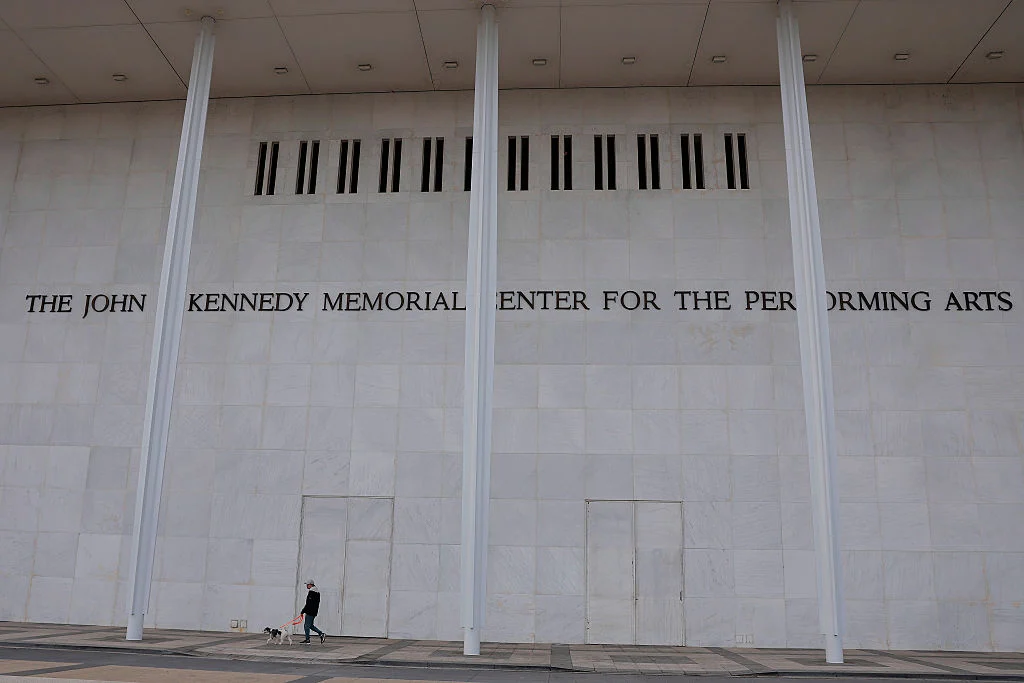
Artists Cancel Performances at Kennedy Center Over Trump Nameplate Controversy
In recent months, the Kennedy Center has become a flashpoint in cultural politics following the controversial decision to affix President Donald Trump’s name to the esteemed performing arts institution. This move has triggered a wave of artist cancellations, with notable groups like the jazz supergroup The Cookers withdrawing from scheduled performances, including their New Year’s Eve concert. The decision reflects broader tensions regarding the intersection of art and politics in today’s landscape.
Background of the Controversy
The unease surrounding the Kennedy Center escalated earlier this year when President Trump dismissed the board of the institution and appointed himself as chairman. This shift in leadership was marked by swift backlash from the artistic community. In the spring, high-profile performers such as Issa Rae and the producers of “Hamilton” rescinded their commitments, while musicians Ben Folds and Renee Fleming stepped back from their advisory roles, signaling a profound discontent among artists about the new direction of the center.
The Cookers’ Withdrawal
The Cookers, a well-respected ensemble with nearly two decades of collaboration, announced their decision to cancel their appearance in a statement on their website. They expressed understanding for any disappointment their fans may feel, emphasizing that their choice was made swiftly in response to unfolding circumstances. Although they refrained from directly mentioning the renaming or linking their decision to Trump’s presidency, they underscored a commitment to ensuring that their performances foster inclusivity and celebrate diversity in music.
A Member’s Vocal Opposition
Billy Harper, a saxophonist in The Cookers, has been notably vocal about the implications of the Kennedy Center’s renaming. In comments shared on the Jazz Stage Facebook page, Harper challenged the motivations behind the name, articulating a strong sense of opposition to what he described as “outright racism” and “the deliberate destruction of African American music and culture.” Harper’s statements resonate deeply with a community of artists who feel that the changes at the Kennedy Center undermine their values and the cultural heritage they strive to promote.
Response from Trump’s Allies
Richard Grenell, a vocal supporter of Trump and now a leader at the Kennedy Center, reacted to the cancellations by suggesting that the artists choosing to withdraw were unwilling to perform for a diverse audience. He claimed that these cancellations reflect a political divide rather than a commitment to art. Grenell further indicated that the center had received numerous inquiries from artists who were eager to perform without political considerations, thus framing the cancellations as politically motivated rather than artistically driven.
Legal Ramifications and Continuing Backlash
The fallout from these cancellations may lead to legal challenges. Grenell highlighted plans to pursue $1 million in damages from musician Chuck Redd after Redd cited the renaming as his reason for withdrawing from a Christmas Eve performance. This approach suggests a contentious atmosphere at the Kennedy Center, where artistic expression is now intertwined with political battles.
Legislative Context and Future Implications
Historically, the Kennedy Center was established as a living memorial to President John F. Kennedy after his assassination in 1963. Many scholars argue that altering the center’s name would require congressional approval due to legislation that explicitly prohibits the board from transforming it into a memorial for another figure. This legal aspect adds another layer to the ongoing debate, as various stakeholders, including lawmakers and the artistic community, weigh in on what the renaming means for the institution’s future.
As the discourse around the Kennedy Center unfolds, it continues to provoke spirited discussions about the role of art in political contexts and the responsibilities of artists to navigate these complex waters. Each cancellation not only serves as a statement about individual artists’ beliefs but also highlights a broader cultural reckoning within the performing arts.