


The Critical Crossroads of Healthcare Subsidies: A Political Drama
An Urgent Call for Action
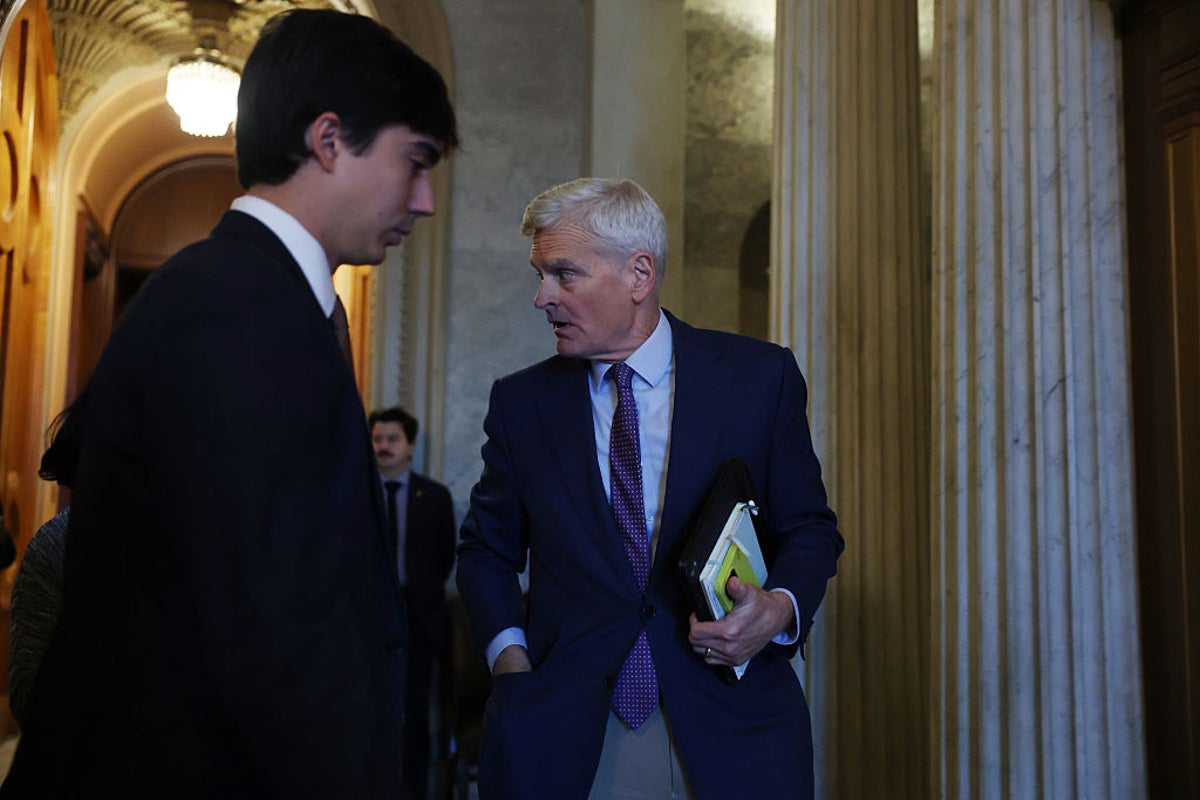
In a pivotal moment for healthcare in the United States, the top Republican on the Senate’s healthcare committee, Senator Bill Cassidy, has publicly urged his fellow lawmakers to support a short-term fix for soon-to-expire Obamacare subsidies. The stakes are high, as millions of Americans face the looming threat of skyrocketing healthcare premium costs. The Biden-era Inflation Reduction Act’s subsidies are set to expire at the end of this year, potentially impacting the affordability of healthcare plans available through the Affordable Care Act (ACA).
Bipartisan Tensions in the Senate
During a recent hearing of the Senate Committee on Health, Education, Labor, and Pensions, Cassidy’s remarks became a flashpoint for heated exchanges—most notably with Senator Bernie Sanders. This exchange didn’t just highlight the partisan divide; it reflected deep-seated frustrations over healthcare policy and its implications for everyday Americans. Cassidy’s recognition of the urgent need for a solution underscores the critical nature of this issue as voters brace for a possible spike in monthly premiums that could amount to hundreds or even thousands of dollars.
The Political Landscape
Cassidy’s call for a quick resolution serves as a public acknowledgment of a broader dilemma facing the Republican Party. With the potential for blame to fall squarely on their shoulders if insurance premiums soar, Cassidy’s approach is both a pragmatic and strategic move. He noted that meaningful bipartisan discussions might not yield substantial reforms before the January deadline, suggesting a short-term fix is the only feasible way forward.
The Role of Voter Sentiment
Historically, voters have proven to be particularly sensitive to changes in healthcare costs. With Walsh’s call for a stopgap measure, he is effectively recognizing the power of public opinion. The Affordable Care Act remains a contentious topic, but the realities of American voters increasingly underscore the importance of maintaining access to affordable healthcare. Cassidy’s awareness of this context emphasizes the urgency of the situation.
The Complicated Dynamic of Party Politics
As Senate discussions unfold, there lies a tension between quick fixes and long-term solutions. Cassidy indicated that “big ideas” for reform would likely stretch beyond 2026, which could frustrate constituents looking for immediate relief. Some House conservatives are firmly against any measures that extend the ACA’s subsidies, fearing they represent an overreach and a continued reliance on a system they wish to dismantle.
The Standoff Between Parties
Sanders, serving as the Democratic voice during this exchange, firmly argued that Republicans should endorse the extension of the Obamacare subsidies if they truly want to help Americans avoid crippling healthcare expenses. Such exchanges aren’t just about political posturing; they reflect a broader struggle between two fundamentally different approaches to healthcare in the U.S.
The Republican Dilemma
Despite calls for cooperation, the lack of a clear Republican proposal for a short-term solution raises concerns. Senator Ron Wyden pointed out that the absence of a concrete plan from Republicans indicates a potential lack of seriousness about the deadline they now face. The GOP’s late release of frameworks in November appears more like an attempt to respond to public pressure than genuine initiative.
Compromise in the Balance
Meanwhile, within the House, the bipartisan Problem Solvers Caucus backs a proposal for a two-year extension of the subsidies. However, any chance of passing such measures could be thwarted by internal GOP dissent, presenting a significant hurdle for Speaker Mike Johnson. His leadership is being tested as he navigates a complex landscape of varying opinions and priorities within his party.
Mixed Signals from the White House
Adding to the uncertainty, a recent White House event—that seemed poised to propose solutions to the imminent spike in premium costs—was abruptly canceled. Reports indicated that Speaker Johnson signaled a lack of support among his caucus for a two-year extension, complicating matters further. President Trump has voiced that some type of extension could be warranted, creating a tangled web of conflicting messages and expectations.
The Road Ahead
With just weeks left on the clock, Cassidy’s insistence on a solution reflects a desire not only for immediate action but also for political survival. However, with the GOP facing internal conflicts and external pressures, the path to a viable plan remains fraught with challenges. As the clock ticks down, the choices made—or not made—by lawmakers will have profound implications for millions of Americans reliant on affordable healthcare.
In this unfolding drama, every decision carries weight, shaping the future of health policy in the United States amidst an ever-complicated political landscape.