


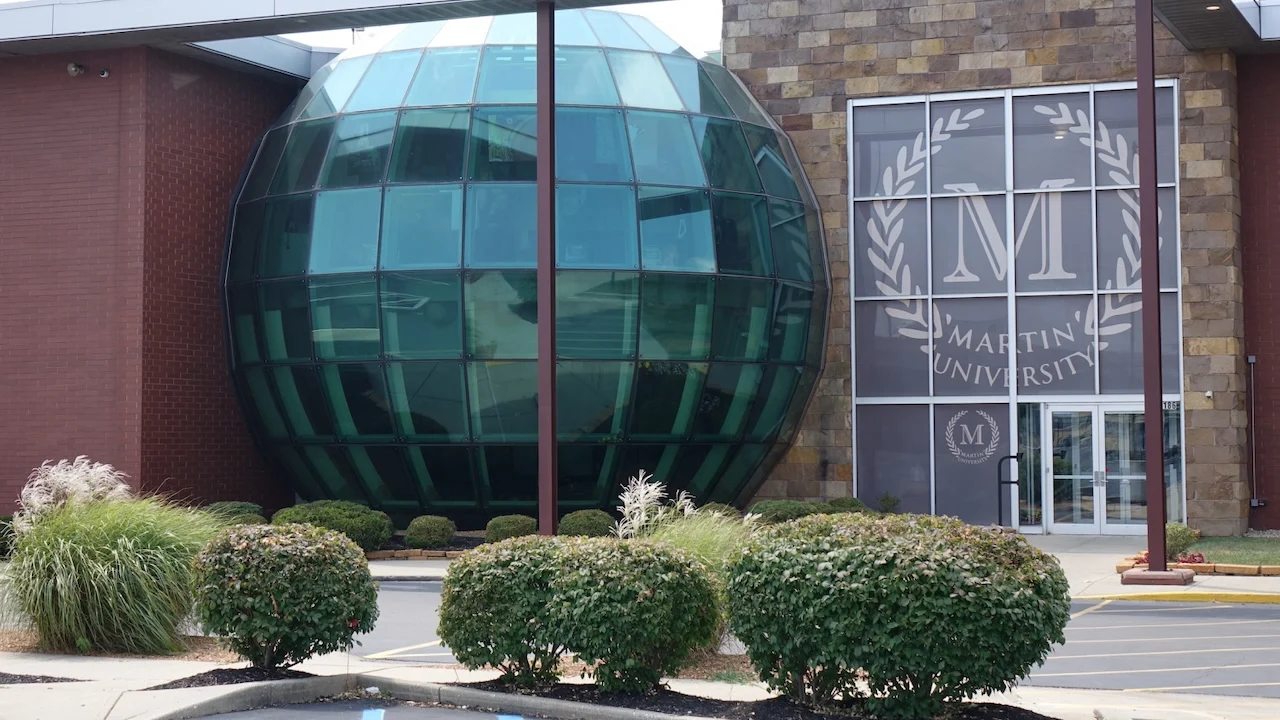
The Closure of Martin University: A Community’s Loss
A Brief History
Martin University, a historically Black institution located in Indianapolis, Indiana, was established in 1977 by Reverend Father Boniface Hardin and Sister Jane Schilling. Over nearly five decades, this institution has offered educational opportunities to underserved communities, focusing particularly on low-income and disenfranchised residents. With a mission grounded in social justice and inclusivity, Martin University has proudly served over 1,500 graduates, offering diverse undergraduate and graduate programs, including business administration, community psychology, and urban ministry.
Financial Struggles and Accreditation Issues
Despite its noble mission, Martin University faced significant financial challenges that ultimately led to its closure. In late 2023, the school’s Board of Trustees voted to cease operations, citing “unsustainable financial challenges.” This decision came just days after a recommendation from the Higher Learning Commission to close the institution, following years of fluctuating enrollment numbers and financial strain.
Initially, the university managed to cope by relying on grants, government support, and philanthropic donations, given that many of its students struggled to afford full tuition. However, dwindling enrollment combined with rising debt proved to be too much for the institution to bear. The lack of a financial endowment meant that Martin could not sustain its mission long term.
The Emotional Impact
Following the announcement, many students and alumni were left in limbo, grappling with a sense of loss not only for the institution but for the community it nurtured. Former students expressed disappointment and anger at the decision, highlighting the deep emotional connection many had with a university that represented hope and opportunity. In a statement, the Board of Trustees acknowledged the strong emotions stemming from the closure, emphasizing the need for civility and understanding during this difficult time.
Support for Affected Students
In the wake of Martin University’s closing, neighboring institutions, including the University of Indianapolis and Marian University, stepped up to support affected students. These universities reached out to Martin students offering to match transfer credits and tuition costs, ensuring that those impacted could still pursue their educational goals. Chris Plouff, provost and vice president of UIndy, emphasized the importance of helping students transition smoothly to continue their academic paths.
The Path Forward
As the university prepares to close its doors, the Board of Trustees has indicated that its assets will be sold in an orderly fashion to meet financial obligations to creditors and employees. This financial divestment aims to ensure that remaining obligations are met responsibly, although it does little to quell the disappointment felt by the Martin community.
Legacy of Impact
Despite its closure, the Board noted that the impact of Martin University on students and the community remains. Those who walked its halls cannot erase the contributions it made to personal and professional growth. The legacy of Martin University lives on through its alumni and the rich history it carved out in the landscape of higher education in Indianapolis.
The Future of Historically Black Institutions
The situation at Martin University serves as a poignant reminder of the fragile nature of historically Black institutions, particularly in today’s climate of changing educational funding and financial support. As communities reflect on this loss, questions arise about the future viability of similar institutions, and how they can adapt to continue fulfilling their mission of serving those in need.
As the narrative unfolds, those connected to Martin University—students, faculty, alumni, and community members—must find ways to channel their grief into advocacy to ensure that educational opportunities remain available for all, especially for those who need it most.