


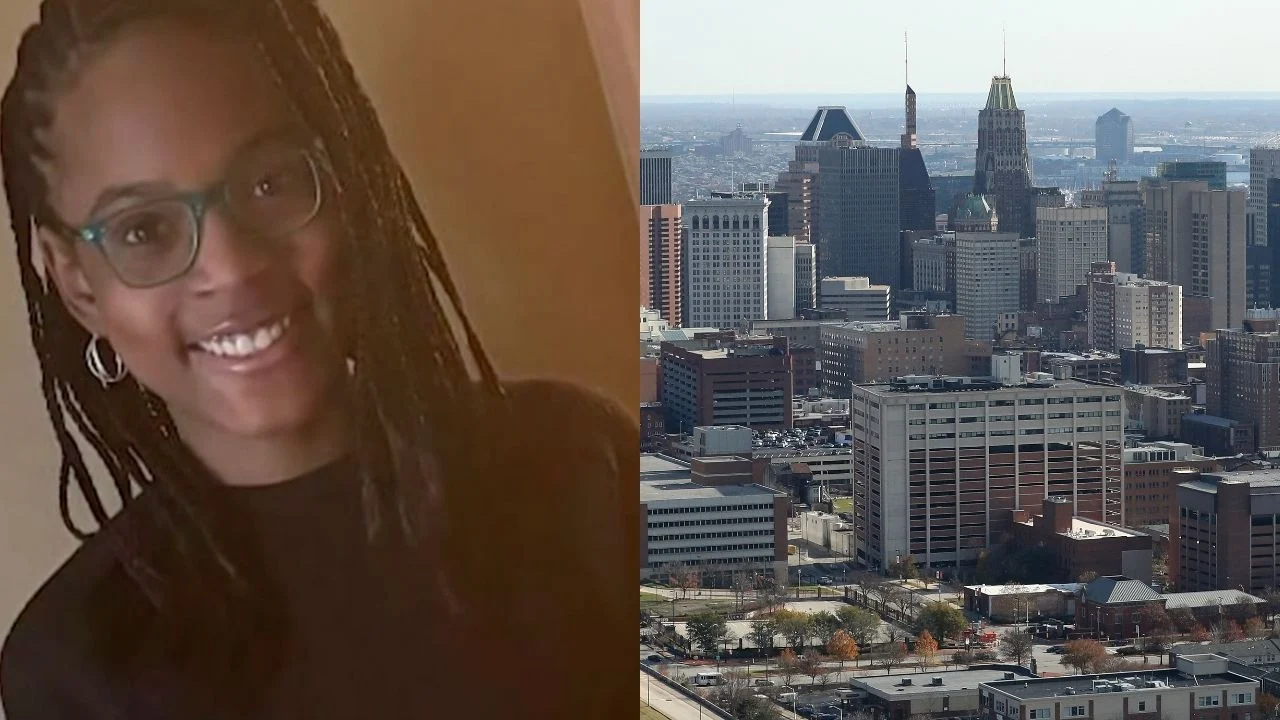
Maryland Foster Care System’s Struggles: A Call for Change
In recent months, the Maryland foster care system has been thrust into the spotlight following a tragic event involving 16-year-old Kanaiyah Ward. Her untimely death at a Baltimore hotel while under state care has sparked outrage and demands for systemic reform. This incident has prompted state lawmakers and agencies to re-evaluate their approach to the welfare of foster children, with a significant focus on eliminating unstable living conditions.
A Tragic Incident
On September 22, 2025, Kanaiyah Ward was found unresponsive in a hotel room where she had been placed by the Maryland Department of Human Services (DHS). According to reports, her assigned chaperone had checked on her earlier that morning but assumed she was just a “heavy sleeper.” Tragically, upon returning later, the chaperone discovered that Kanaiyah had died, a scenario that raises serious questions about the supervision and care provided to vulnerable youths in the foster system. Autopsy results revealed that she had died by suicide, with an empty bottle of diphenhydramine—a common over-the-counter sleep aid—found nearby.
The Foster Care Landscape
Kanaiyah’s situation was not an isolated incident. Reports indicate that over 280 foster youth in Maryland experienced hotel placements between fiscal years 2023 and 2024. Many of these placements are considered unlicensed, leading to concerns about the quality of care, emotional support, and safety for these children. Advocates argue that hotel stays, often lacking the necessary familial and emotional supervision, are detrimental to the well-being of a child already facing significant challenges.
Kalaniyah’s Background
A deeper understanding of Kanaiyah’s life reveals that she faced ongoing mental health struggles, despite having a loving family that was deeply involved in her life. Her relatives had been advocating for her to transition to a more stable, supportive living environment. “This wasn’t a situation where she had abandoned her daughter,” attorney Thomas Doyle emphasized. He pointed out that her family had fought diligently for her well-being, highlighting a vital element often overlooked in discussions surrounding foster care: the critical role of family support.
Agency Response and Accountability
In response to Kanaiyah’s death, Rafael López, Secretary of the Maryland DHS, issued a statewide directive aimed at prohibiting the placement of youth in hotels. “The Moore-Miller Administration came to office with over 40 youth staying in hotels,” spokesperson Lillian Price revealed. López expressed determination to end these placements, stating that the safety of children must be a top priority.
The agency’s recent actions aim to create new protocols designed to track placements more effectively and minimize reliance on unlicensed settings. “All children previously staying in hotels have since been moved into licensed settings,” Price confirmed. These measures include moving youth to environments such as kinship homes, foster homes, and other managed care facilities, marking a significant shift in state policy.
Community Reaction and Advocacy Efforts
The public reaction to Kanaiyah’s death has been overwhelmingly sympathetic, with many advocating for more robust mental health support and better overall care for foster youth. Families affected by the system are demanding accountability and systemic reform to ensure that such tragedies do not occur again. “Changes need to happen,” attorney Doyle insisted. “If we’re not protecting the children, then we’re all failing.”
Moving Forward
While the DHS has made considerable strides in moving foster youth out of potentially harmful hotel placements, the agency acknowledges that there is still much work to be done. “The work is far from over. We will not rest until every child in our state is safe, residing in a permanent home and surrounded by loving family,” Price noted, indicating an ongoing commitment to reform and improvement.
The tragic story of Kanaiyah Ward serves as a glaring reminder of the vulnerabilities faced by foster children in Maryland and beyond. The changes being implemented by the state reflect a growing recognition of the urgent need to prioritize the safety and mental health of these youths in care. Each step taken is a move toward a future where the welfare of every child is considered paramount, and where families are empowered to play a crucial part in their children’s lives.