


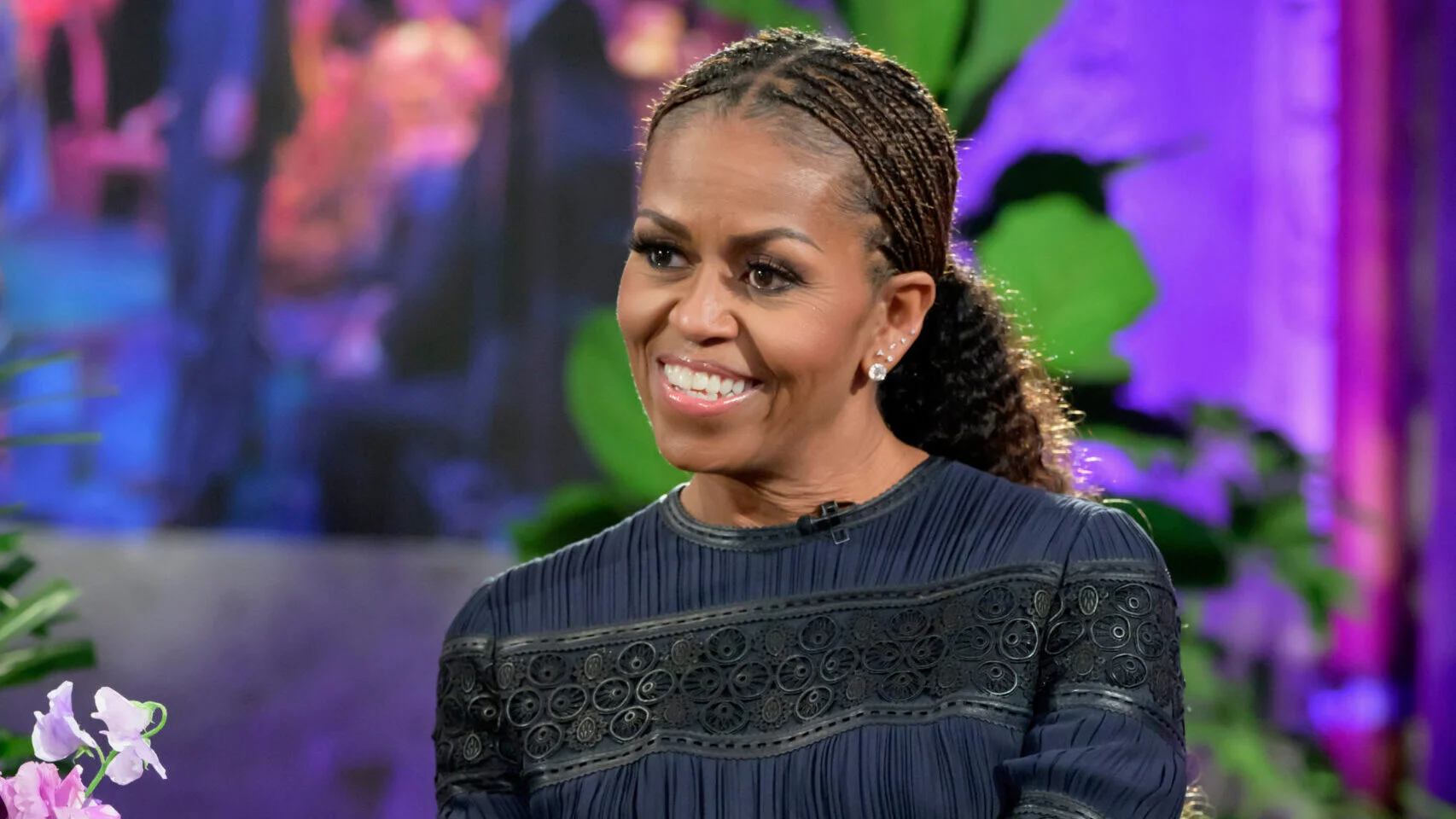
Michelle Obama: Reclaiming the Narrative Through Style in “The Look”
Former First Lady Michelle Obama has long understood that visibility comes with a price, particularly for women and especially for Black women. In her latest book, “The Look,” she articulates a truth that many have experienced but few have the platform to communicate as effectively. This work challenges us to reconsider how society views and criticizes women’s appearances.
The Burden of Public Scrutiny
In “The Look,” Obama addresses an uncomfortable reality: women in the public eye are often reduced to their physical appearance. She poignantly states, “If someone wants to take something away from a woman, they will try to rob her of her femininity, her beauty.” This assertion resonates deeply in an era when female reporters are subjected to harsh scrutiny based on their looks, gender, and perpetuated stereotypes.
This scrutiny is not isolated to Obama’s experience but reflects a broader societal issue, especially in political contexts where women, particularly women of color, face relentless criticism. For example, recent events highlight how prominent figures often resort to gendered attacks during press conferences, undermining the work of talented journalists.
A Call for Empathy and Accountability
In a conversation with MS Now’s Jonathan Capehart, Obama emphasizes the need for empathy in comprehending why such cruelty persists in society. “We have to pick leaders that don’t do that,” she states, acknowledging that many leaders allow toxic behavior to proliferate. She argues that those who exhibit cruelty often do so from a place of brokenness, needing healing that may never come.
However, rather than placing blame entirely on individuals, Obama urges a broader reflection on societal norms. She asks compelling questions: “Why are we okay with it?” and “Are you with us?” This call to accountability asks individuals to recognize their own complicity in enabling a culture that tolerates such treatment of women.
Fashion as a Reflection of Self-Worth
Obama’s exploration of how society perceives women is not limited to critiques of behavior; she also delves into the realm of fashion. In “The Look,” she shares her own sartorial choices and how they have been meticulously scrutinized. For instance, she recalls the backlash over a simple black sheath dress she wore during her first year in the White House, which sparked disproportionate criticism.
Her assertion that “Fashion is a powerful thing in our lives” conveys the importance of how women dress, as it often serves as a reflection of their self-worth. Yet, she acknowledges the duality of fashion: it’s both empowering and potentially confining. She encourages open conversations about these issues to foster understanding and growth.
Navigating Workplace Challenges
In her discussions, Obama expresses a nuanced understanding of the challenges women face in the workplace, particularly those relating to how their bodies and appearances are policed. She offers realistic advice to young women: sometimes, conforming is a strategic choice made for stability and security.
“Sometimes you conform long enough to secure stability,” she explains, emphasizing that not everyone has the freedom to challenge societal norms without facing repercussions. This pragmatic approach highlights her empathy for those still navigating these complex dynamics.
Gaining Leverage Through Experience
Obama articulates a powerful notion: leverage is something one earns over time. At 60, she feels a renewed sense of control over her life, allowing her to speak out on issues that matter. “I am not trying to get a vote. I have a job. I control my own life,” she asserts confidently, illustrating how maturity and experience pave the way for candid discussions about diversity and representation.
Her perspective is particularly vital in today’s climate, where discussions around diversity, equity, and inclusion have become contentious. For Obama’s audience, she brings a refreshing authenticity—“Because I can,” she states as a recognition of her earned privilege and responsibility to speak out.
Through her experiences, Michelle Obama is not just reclaiming her narrative; she is inviting all women, especially women of color, to take ownership of theirs. By discussing her journey, she opens a dialogue about the broader implications of visibility, self-worth, and resilience in the face of societal expectations.