


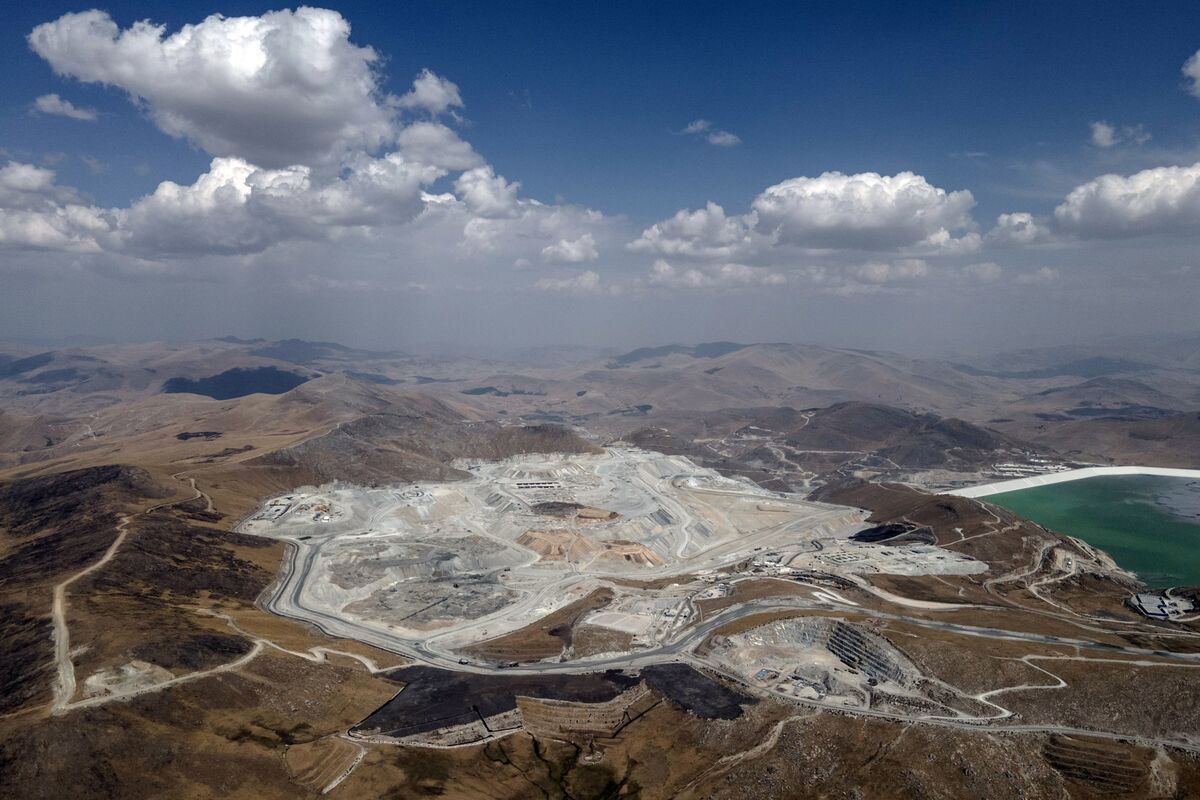
The Rise of Global Mining Stocks: An Emerging Supercycle
In recent months, global mining stocks have surged to the forefront of investment portfolios, capturing the attention of fund managers around the world. This sudden spike is largely tied to the rampant demand for metals and the tightening supply chains affecting key minerals. Many analysts are hinting at the dawn of a new mining supercycle, a phenomenon that could reshape the market landscape for years to come.
Understanding the Supercycle Concept
To grasp the implications of this emerging trend, let’s first unpack what a supercycle entails. Traditionally, a supercycle refers to an extended period of strong commodity price rises, driven by persistent demand and limited supply. This can be influenced by various factors, including economic growth, technological advancements, and geopolitical events. The cyclical nature of commodities typically means that periods of boom are often followed by downturns. However, the current indicators suggest a more prolonged phase of growth for the mining sector.
Soaring Demand for Key Metals
A plethora of factors has been driving the demand for essential metals, including copper, lithium, and nickel. These minerals are not just critical for traditional industries; they are also pivotal in the transition to a greener economy. Electric vehicles (EVs), renewable energy technologies, and energy storage systems all hinge on these resources. For instance, lithium is integral for EV batteries, while copper is crucial for electrical wiring and energy efficiency. According to forecasts from various industry experts, the explosion in the green tech sector is set to further amplify the need for these metals.
Tightening Supply Chains
While demand is on the rise, the ability of the mining sector to meet this demand is hampered by significant challenges. Ongoing supply chain disruptions—exacerbated by the COVID-19 pandemic, geopolitical tensions, and labor shortages—are making it increasingly difficult for producers to ramp up output. Mining companies are facing delays in project timelines, increases in production costs, and regulatory hurdles. For investors, this mismatch between soaring demand and constrained supply presents a unique opportunity, as it can lead to higher prices for the essential minerals.
Investment Trends and Strategies
Given this dynamic backdrop, many fund managers are reevaluating their investment strategies, looking to position themselves favorably in what they believe could be a prolonged growth phase. This reallocation is not merely about jumping on the latest trend; it’s a calculated move to capitalize on the intersecting trajectories of environmental policy and corporate responsibility. Investors are increasingly inclined to support companies that demonstrate sustainable practices and are committed to reducing their carbon footprints, recognizing that the future of mining will be defined by sustainability.
Regional Insights and Market Dynamics
The geographical distribution of mineral resources also plays a vital role in shaping the mining landscape. Regions like South America, which are rich in lithium and copper deposits, have become focal points for investment. Countries such as Chile and Peru are key players in this market, but they also face political instability and regulatory uncertainties that can impact foreign investment. Similarly, Africa’s vast, untapped mineral wealth poses opportunities, alongside challenges such as governance and infrastructure deficits. Each region presents a unique set of dynamics that investors must navigate carefully.
The Role of Technology and Innovation
Technological advancements are also influencing the mining industry significantly. Innovations in extraction processes, automation, and data analytics are improving efficiency, reducing costs, and enhancing safety. Companies that adopt cutting-edge technologies stand to gain a competitive edge. Furthermore, as the industry trends toward digitalization, the ability to access and analyze vast amounts of operational data can lead to increased productivity and sustainability. This technological shift not only benefits mining companies but also enhances their appeal to tech-savvy investors.
Conclusion: Monitoring the Landscape
With the mining sector in the throes of potential transformation, the ongoing interplay of soaring demand, tightening supply, and the impact of technological advancements makes it a captivating focal point for investors. As market conditions continue to evolve, staying informed about these trends will be essential for anyone looking to capitalize on the opportunities presented by this burgeoning supercycle. Observing how global policy, technological breakthroughs, and economic factors interact will provide further insights into the future of mining investments.