


Minneapolis School System Introduces Remote Learning Amid Tensions
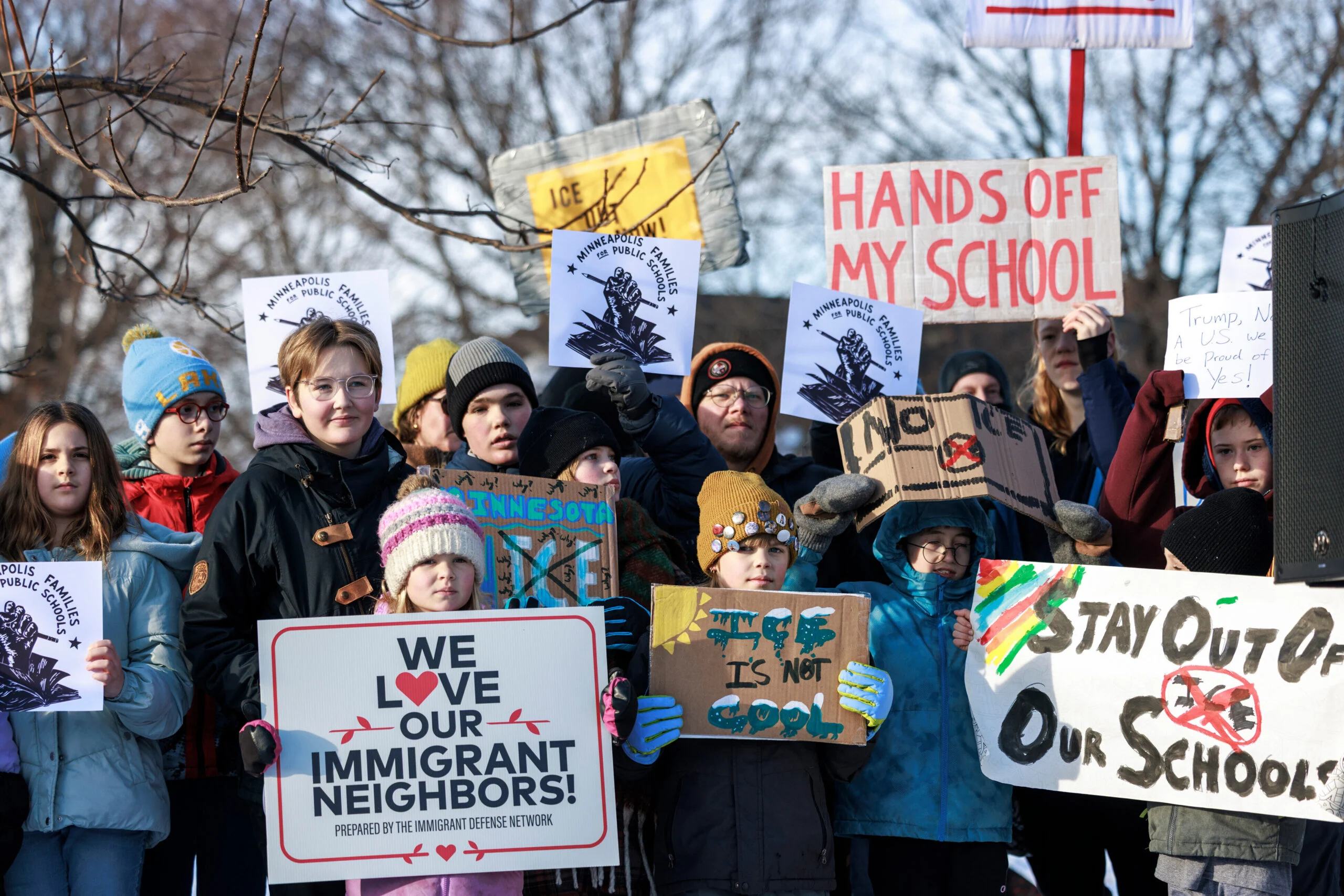
In a significant move to address community concerns, the Minneapolis school system announced on Friday that families will have the option of remote learning for a month. This decision responds to heightened fears surrounding student safety amid ongoing tensions related to federal immigration enforcement in the city.
Temporary Shift to Remote Learning
As part of this temporary program, lessons will be delivered simultaneously to students in classrooms and to those at home. This approach mirrors the strategies employed during the COVID-19 pandemic, allowing teachers to adapt quickly while ensuring that students can continue their education in a safe environment.
Impact of Immigration Enforcement
Educators and parents have observed that immigration enforcement activities across the U.S. often lead to decreased school attendance, particularly among vulnerable families. Advocates in other cities facing similar federal actions have sought remote learning options, with Minneapolis emerging as one of the few districts willing to reintroduce virtual learning as a solution.
A school administrator emphasized the importance of this decision, noting it serves students who currently feel unable to attend in-person classes safely. By offering remote learning, the district aims to keep students engaged and ensure they do not fall behind academically.
Careful Planning and Coordination
The decision to offer this option was not made lightly. School administrators communicated through emails that extensive discussions took place among principals and the teachers’ union, highlighting the meticulous planning required to deliver effective virtual education. The impact of remote learning during the pandemic was significant, with many educators recognizing it as a last resort but ultimately necessary in current circumstances.
One administrator remarked, “This will keep them safe and help them keep up with their work,” pointing to the necessity of ensuring students are counted present to mitigate potential dropout rates.
Context of Increased Fear
Minneapolis, which serves nearly 30,000 students, is grappling with a new level of fear. The city has recently faced heightened scrutiny and conflict surrounding immigration issues, including verbal attacks on local immigrant communities and active enforcement measures. The tragic shooting of Renee Good, a U.S. citizen and mother of three, by federal agents serves as a stark reminder of the tensions that have escalated in the area.
Simultaneously, immigration enforcement agents conducted detentions near Roosevelt High School, resulting in altercations with bystanders and raising alarms among both parents and educators regarding student safety.
Union Response
The Minneapolis Federation of Educators expressed strong opposition to the ongoing immigration enforcement in the vicinity of schools. They emphasized, “We will not tolerate ICE inhibiting our city’s youth from their constitutional right to attend school safely.” This affirmation reflects a broader sentiment among educators advocating for student safety and accessibility to education.
Students’ Perspectives
Students of all backgrounds are feeling the pressure as tensions mount. Boisey Corvah, a 15-year-old sophomore, expressed concern for his peers, particularly those from Latino backgrounds. He shared, “They’re probably going to have to go straight home… they won’t be able to hang out with their friends,” illustrating the emotional toll this environment can have on young people’s social interactions and mental health.
Other Districts and Virtual Learning
Minneapolis isn’t alone in its challenges with immigration enforcement affecting student attendance. In Chicago, school board members have called for remote options due to similar federal interventions. Meanwhile, New York state has permitted districts to offer virtual schooling for families concerned about potential immigration crackdowns, though the uptake of this option remains uncertain.
A common concern for many districts is adherence to policies prohibiting inquiries into students’ immigration status. Offering remote learning could inadvertently expose sensitive information. Advocates suggest offering this option to all students, thereby safeguarding privacy while addressing widespread concerns.
Advocating for Flexible Options
Viridiana Carrizales, CEO of ImmSchools, is actively encouraging districts across states like New Jersey, New York, and Texas to adopt flexible educational options amid parental apprehension regarding school participation. This proactive approach aims to ensure students feel secure and can continue their education, regardless of their or their families’ immigration status.
Educators’ Call for Support
The Minnesota Department of Education has affirmed that districts are responsible for providing remote options to enrolled students. State officials maintain that plans must consider the unique needs of all learners, including those with disabilities and English language learners.
In light of the escalating tensions in Minneapolis, schools closed for two days to allow for planning and communication regarding remote learning options. The district has already communicated that virtual instruction will be available until February 12, providing families with a necessary safety net during these challenging times.