


The Unfolding Drama Between Marjorie Taylor Greene and Trump
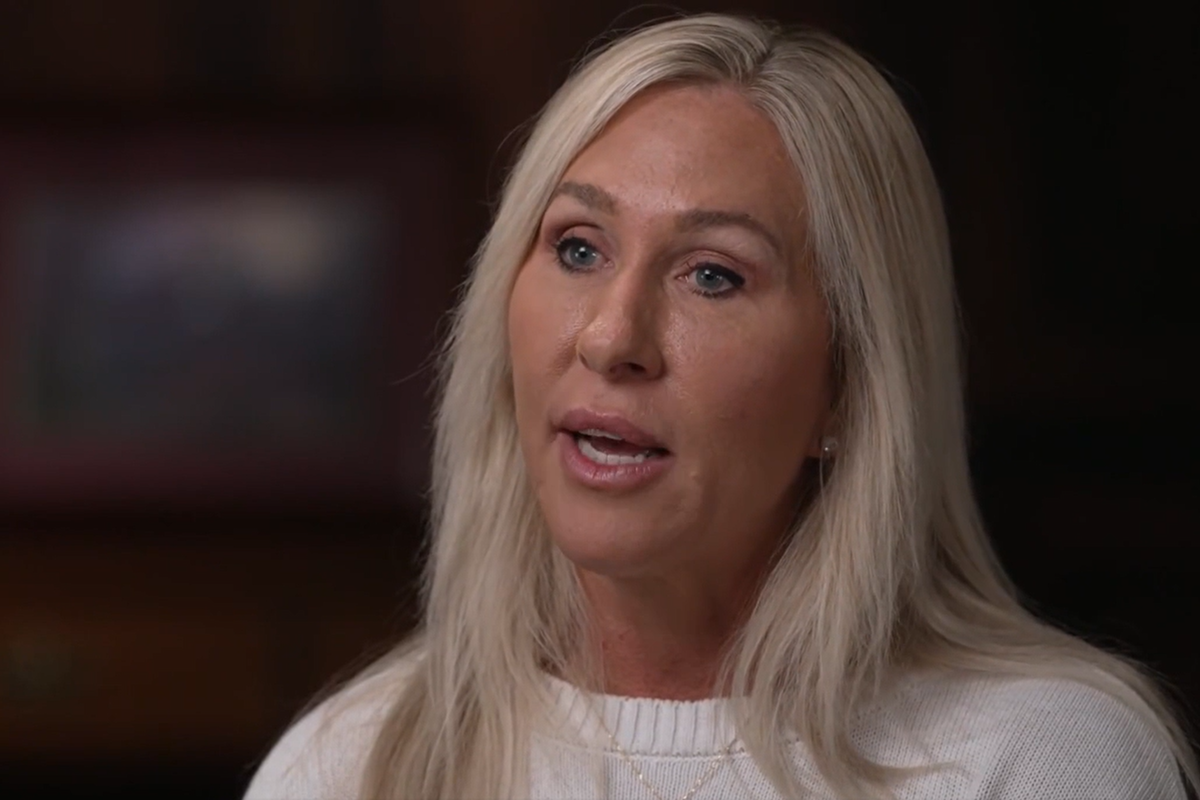
In a recent interview with CBS News’ 60 Minutes, far-right Congresswoman Marjorie Taylor Greene revealed a brewing conflict with former President Donald Trump. This clash arises from Greene’s push for the release of all official documents regarding Jeffrey Epstein, a topic that has long fascinated and horrified the American public.
The Epstein Files Controversy
Greene’s willingness to sign a discharge petition to publish the full Epstein files has evidently stirred considerable frustration within Trump’s camp. During her conversation with CBS’s Lesley Stahl, Greene recounted how Trump expressed his anger toward her stance. “He was extremely angry that I had signed the discharge petition to release the files,” Greene noted, reflecting on the significance of transparency for the women involved in the Epstein saga.
The heart of this controversy is not merely about documents; it signals a deeper ideological rift over accountability and the responsibilities of powerful figures in politics and media. Greene firmly asserted that the women “deserve everything they’re asking for,” highlighting the emotional weight of their plight.
Trump’s Concern and Comments
When Stahl pressed Greene about Trump’s specific words, she responded, “He said that it was going to hurt people.” This statement captures the essence of the tension: a concern over potential fallout from unveiling unsettling truths. Greene’s audacious pursuit of these documents challenges not only Trump’s narrative but also his supporters’ comfort in the established order.
This inquiry into Epstein’s network juxtaposes Greene’s fierce advocacy for transparency against Trump’s apparent inclination to protect interests that could be politically damaging. The implications extend beyond personal feuds, touching on broader themes of political accountability and the complexities that come with public service.
The Fallout from Greene’s Stance
This clash represents yet another chapter in Greene’s contentious relationship with Trump and her fellow Republicans. After her announcement in November that she would step down from Congress, shockwaves rippled through the Republican Party. This decision adds layers to the ongoing debate about loyalty, ethics, and the streams of power within the GOP.
Greene’s insistence on accessing the Epstein files has been perceived not just as an act of dissent but also as an objection to Trump’s narrative about addressing such delicate issues. Her refusal to accept his explanations has led to accusations from Trump, branding her “Marjorie Traitor Greene” and questioning her loyalty to the “America First” agenda that Trump championed.
A Life in Danger?
Amid this verbal back-and-forth, Greene has articulated feelings of vulnerability, suggesting that Trump’s vehement criticisms have incited hostility from some of his most ardent supporters. She contended that his “unwarranted and vicious attacks” put her life in jeopardy and stoked a “frenzy” among his followers.
This anxious dynamic reflects a fragile ecosystem within the Republican Party, where loyalty is often tested, and leaders find themselves navigating treacherous waters. The tension in Greene’s relationship with Trump lays bare an internal conflict over what it means to uphold principles versus adhering to party lines.
Greene’s Statements and Past Controversies
In contrast to her previous appearances, where Greene made incendiary claims about her opponents, this interview showcased a more measured approach. In earlier discussions, she described Democrats in extreme terms, accusing them of fostering a culture harmful to children. Such statements have historically riled discussions on both sides of the aisle and contributed to her controversial reputation.
Loyalty: A Two-Way Street
Just last month, Greene posted on social media, articulating her feelings about loyalty in the context of politics. She lamented that while she has been steadfastly loyal to Trump, that loyalty has not been reciprocated. Greene likened her treatment to that of a “battered wife,” suggesting the distress she feels over the shifting dynamics in the party’s hierarchy.
The complexities of her message resonate with many who feel dislocated within political spheres. Greene’s critiques pivot toward the perceived dominance of corporate interests over the needs of the “common Americans,” painting a vivid picture of a shared struggle.
This ongoing interpersonal drama between Greene and Trump encapsulates the evolving landscape of American politics, spotlighting the tensions that can arise within political factions. The question of how loyalty, accountability, and truth intersect remains ever pertinent as Greene continues to stake her claim—both for herself and for the stories she aims to unveil.