


By Denis Omondi | Jan. 5, 2026
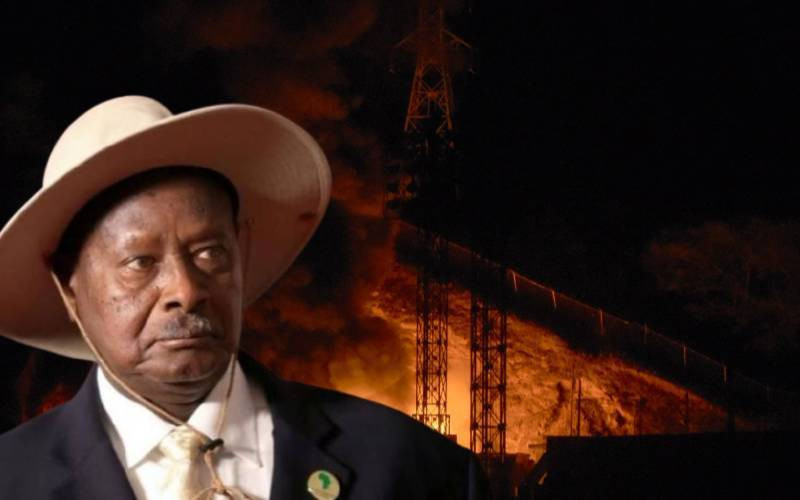
In a recent press briefing, Ugandan President Yoweri Museveni emphasized the importance of African countries learning defense strategies from Venezuela. This statement came in the wake of a high-profile military operation on January 3, where U.S. forces captured President Nicolás Maduro. The implications of this event resonate deeply within the political and military dynamics of Africa, especially as Museveni prepares for the January 15 elections, in a bid to extend his lengthy tenure in power.
Addressing journalists, Museveni pointed out that the U.S. was likely to succeed in its military endeavors due to its superior technology in both air and naval operations. Citing his historical background in guerrilla warfare, Museveni critiqued the U.S. military approach, noting its potential vulnerabilities when transitioning to ground combat. He stated, “Now they are trying to come on land which is very risky for them. That means they have come nearer, and even someone with a short-range gun can harm them.”
The U.S. President, Donald Trump, publicly lauded his troops following the operation, boasting about zero casualties and emphasizing that even though one aircraft was hit, it remained operational. However, Museveni expressed his skepticism regarding the justifications provided for the U.S. intervention in Venezuela, questioning the legitimacy of such actions in a sovereign state. He remarked, “I don’t know what they are fighting for. I’m still studying it. We shall learn more.”
Museveni also raised concerns about the fragmented state of African unity, especially regarding defense. He lamented the historical divisions among post-independence leaders, stating that such rifts have rendered the continent vulnerable to external influences. Reflecting on Africa’s aspirations for unified governance, he referred to the dreams articulated during the 1963 formation of the Organization of African Unity, where early leaders like Julius Nyerere of Tanzania championed a united front in the face of colonial legacies.
The existing geopolitical landscape, according to Museveni, serves as a stark reminder of the urgent need for African nations to rally together. His call for deeper regional integration, particularly through the establishment of an East African Federation, is a vision he believes could lead to stronger collective security and economic cooperation among nations in the region.
Highlighting the ongoing challenges, Museveni remarked, “As Africans, that was our target in 1963. Leaders like Mwalimu (Julius Nyerere) were willing to take risks, but others preferred to remain as influential figures in their respective nations, rather than pushing for a larger cooperative agenda.” This historical reflection lays bare the tensions and complexities surrounding the continent’s unity and defense strategies.