


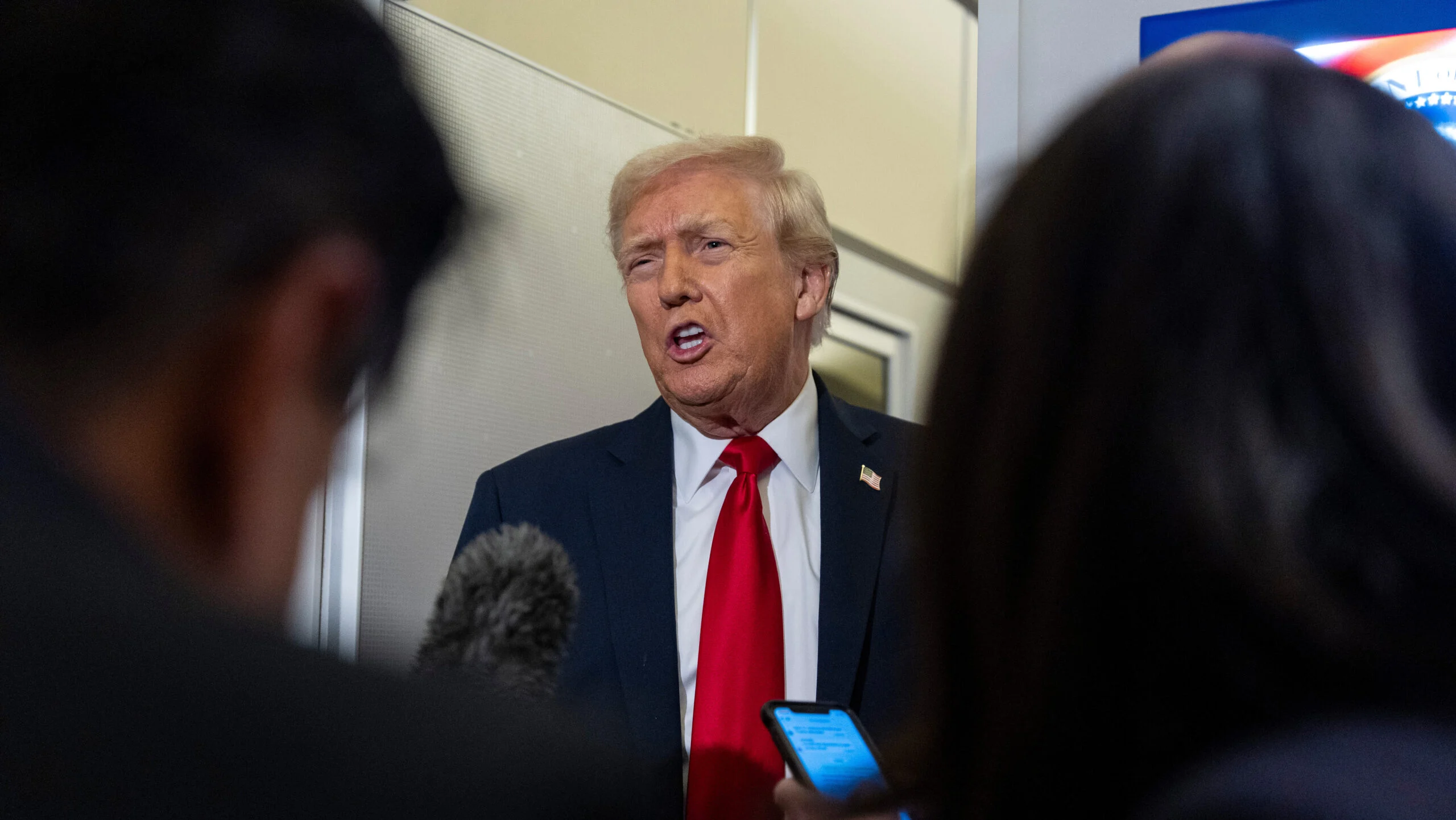
Georgia Election Interference Case Dismissed
On a significant day in U.S. legal history, a Georgia judge dismissed the election interference case against former President Donald Trump and several co-defendants. This ruling came after Pete Skandalakis, the new prosecutor assigned to the case, stated he would not proceed with the charges. The dismissal marks yet another chapter in Trump’s tumultuous relationship with the legal system, particularly in cases tied to the 2020 presidential election.
The Change in Leadership
The case’s new direction began when Skandalakis took over in September 2023 from Fulton County District Attorney Fani Willis, who was removed from the case due to concerns over conflicts of interest stemming from her romantic relationship with the special prosecutor she selected. This shakeup raised eyebrows and pointed to the complex interplay of personal relationships and professional responsibilities in high-stakes legal cases.
Swift Dismissal
Fulton County Superior Court Judge Scott McAfee issued a concise one-paragraph order dismissing the case entirely. The rapidity of the dismissal was notable, suggesting either a lack of evidence deemed sufficient by the new prosecution team or a strategic decision to avoid further complications surrounding the high-profile defendants involved.
Trump’s Legal Resilience
The dismissal of this case adds to the narrative of Trump navigating various legal challenges with apparent ease. Despite facing multiple charges—from conspiracy related to the 2020 election results to hoarding classified documents—Trump has managed to ward off severe penalties. For instance, former Special Counsel Jack Smith had initially brought charges against Trump but later dropped them after he won back the presidency in 2024, citing a longstanding Justice Department policy against indicting sitting presidents.
The Hushed Payments Case in New York
Trump’s legal troubles do include a conviction stemming from hush money payments related to the 2016 election. However, he received only an unconditional discharge in January 2025, keeping his conviction intact without further penalty. This outcome reflects the complexities of the legal system and the unique circumstances surrounding Trump’s positions.
Ongoing Investigations and Legal Actions
While the Georgia case has been dismissed, 14 other defendants—including notable figures like Rudy Giuliani and Mark Meadows—continue to face charges. The wider implications of these cases contribute to a slow-building legal storm that could have varying impacts on upcoming elections, policy, and the broader Republican party narrative.
The Prosecutor’s New Perspective
In his filing, Skandalakis expressed that the alleged criminal activities in the Georgia indictment originated in Washington, D.C., implying that the federal government should be the proper venue for prosecution. He emphasized the importance of evaluating the extensive evidence, which included over 100 boxes and additional digital data provided by Willis’ office, before making any further legal decisions.
Contextual Background
Willis initially announced the expansive indictment against Trump and 18 other co-defendants in August 2023, leveraging Georgia’s anti-racketeering law to present what was characterized as a coordinated effort to overturn election results. The case highlighted the significant challenges in prosecuting actions related to high-profile elections, especially when influential figures are involved.
Controversies and Conflicts
The backstory includes significant drama surrounding the case, particularly the revelations about Willis’ relationship with Wade, the special prosecutor. Defense attorneys alleged conflicts of interest that led to her eventual removal, despite a judge initially agreeing to let her continue under specific conditions. This involved a complex legal dance that ultimately resulted in the Georgia Court of Appeals siding with the defense by removing Willis from the case.
Public Interest and Future Implications
The public’s keen interest in the outcome of these cases underscores the political ramifications that can unfold from legal proceedings involving former presidents. The dismissal of the Georgia case not only reflects legal judgments but also the public sentiment surrounding electoral integrity and accountability.
The twists and turns surrounding Trump’s legal saga are emblematic of the larger discussions happening in contemporary American politics, offering both challenges and opportunities for all parties involved as they navigate this complex landscape.