


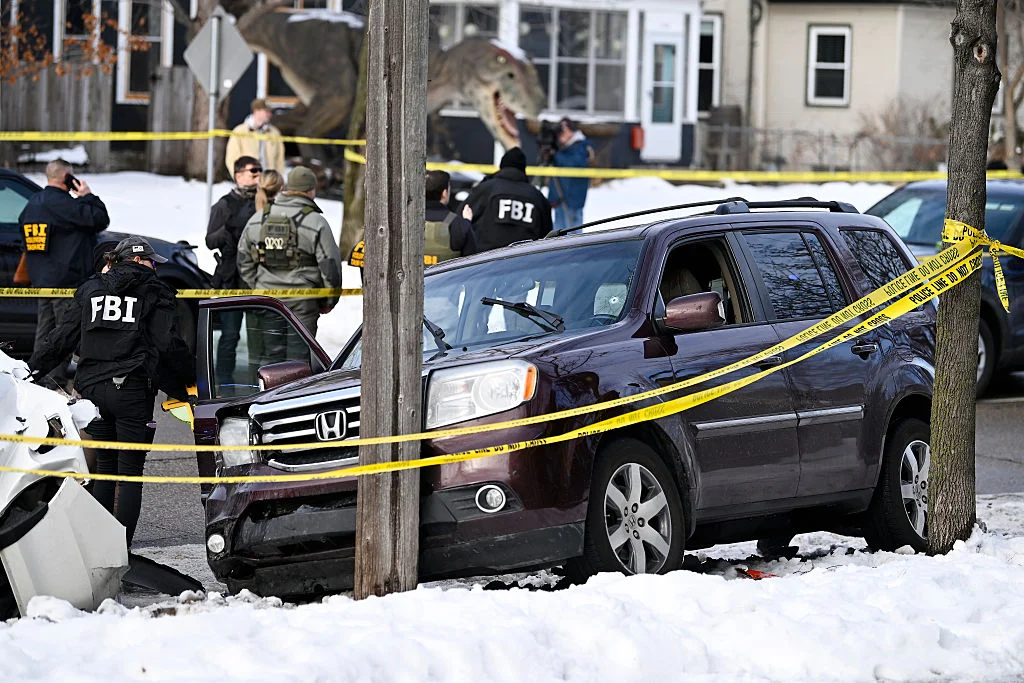
Unpacking the Minneapolis ICE Shooting: Insights from the New Video
A recent video shared by the White House has reignited discussions surrounding the tragic police shooting of Renee Good in Minneapolis. This footage, which has sparked controversy and debate, provides a new angle on the moments leading up to her death and raises critical questions about the actions of law enforcement and the narrative being presented by federal officials.
A Glimpse into the Footage
The 47-second clip, released by conservative outlet Alpha News, captures the tension during Good’s encounter with Immigration and Customs Enforcement (ICE) agents. This footage arrives amidst a chaotic backdrop of heightened scrutiny over police conduct and immigration enforcement practices. In the video, Good appears calm and friendly, even telling an unidentified ICE agent, “It’s okay, dude. I’m not mad,” as she interacts with him at her vehicle. This moment contrasts starkly with the violent outcome that follows.
Shortly after the exchange, Good attempts to maneuver her car away from an ICE agent who demands she exit the vehicle. In rapid succession, agent Jonathan Ross discharges his weapon, striking her in the face. Witnesses claim that the situation escalated quickly, highlighting the fraught atmosphere surrounding ICE operations.
The Immediate Reactions
The dissemination of this footage by the White House, along with commentary from Vice President JD Vance, suggests an effort to frame the narrative surrounding Good’s actions. Vance stated in a social media post that the video disproves claims that Ross was not endangered, advocating that the agent acted in self-defense. However, critics argue that this portrayal oversimplifies the events and overlooks necessary context.
Many observers noted that the video does not definitively show Good attempting to harm the agents. In fact, her steering appears to indicate she is trying to evade them rather than attack. The critical dialogue surrounding this discrepancy emphasizes the complexities involved in understanding high-stakes encounters with law enforcement.
The Context of the Shooting
Good, a 37-year-old mother of three, was reportedly on the scene as a legal observer during the ICE operation. Her identity as a poet and community member adds layers to her story, making the loss feel deeply personal to those who knew her. The community response has been overwhelmingly vocal against the actions of ICE, with many expressing anger over the perceived mishandling of the situation and the Federal Government’s rapid conclusions.
The response from state officials and local residents indicates a profound frustration with how the federal government is managing the narrative, particularly regarding their decision to limit state-level inquiries into the matter.
Criticism of the Narrative Framework
Lulete Mola, co-founder of the Black Collective Foundation of Minnesota, spoke candidly about the dangers of constructing a narrative divorced from the evidence. “What we’re witnessing is the construction of narrative at play,” she asserted, emphasizing that the White House’s framing seems politically motivated rather than focused on truth.
Mola highlighted the clear evidence available, suggesting that public perception hinges on individual interpretations of the video footage and a broader understanding of the systemic issues at play in the standoff between civilians and law enforcement.
The Political Ramifications
The political overtones of this incident are hard to ignore. President Trump’s comments labeling Democratic state officials as ‘corrupt’ exemplify the charged atmosphere within which this tragedy has unfolded. By politicizing the event, officials risk deepening community divisions and overshadowing the human tragedy at its core.
The ongoing national conversation around immigration enforcement, policing practices, and accountability remains at the forefront as the investigation into Good’s shooting continues. The release of the video, while illuminating a specific sequence of events, also invites a wider dialogue about police brutality and its implications within marginalized communities.
A Call for Continued Dialogue
As statements emerge from various officials and social media platforms, it is clear that the community and advocates seek more than just justice for Renee Good. They are calling for a systemic re-evaluation of how interactions between law enforcement and civilians are conducted, particularly in the context of immigration enforcement.
The nuances in the footage shared, paired with the charged responses from federal and local officials, underline the importance of ongoing conversation surrounding this case. As those affected continue to navigate their grief and anger, the wider implications on policy and community relations remain ever-present.
In this complex landscape, the necessity for empathy, understanding, and rigorous investigative processes have never been more crucial as society collectively grapples with the legacy of these encounters.