


Understanding the NWSL’s High Impact Player Rule
The National Women’s Soccer League (NWSL) recently announced the implementation of a “High Impact Player” (HIP) rule, a game-changing policy set to take effect in 2026. This initiative allows teams to allocate up to $1 million beyond the salary cap to recruit star players, designed to address competitive imbalances and bolster the appeal of the league.
The High Impact Player Rule: What It Involves
According to the NWSL’s announcement, each team will be able to exceed the established salary cap by up to $1M for high-impact players. This rule allows for flexibility in player contracts, enabling teams to attract and retain top talent. Importantly, each contract that utilizes this provision must carry a minimum cap charge of 12% of the base salary cap, ensuring that these funds are used strategically and equitably within the framework of team payrolls.
The league has touted this as a historic increase in investment, estimating that the HIP rule could boost league-wide player spending by up to $16M per season, amounting to a potential total investment of $115M over the current collective bargaining agreement (CBA). NWSL commissioner Jessica Berman emphasized the necessity of attracting top talent to ensure the league’s competitive edge, particularly amidst evolving international soccer landscapes.
Players Impacted by the New Rule
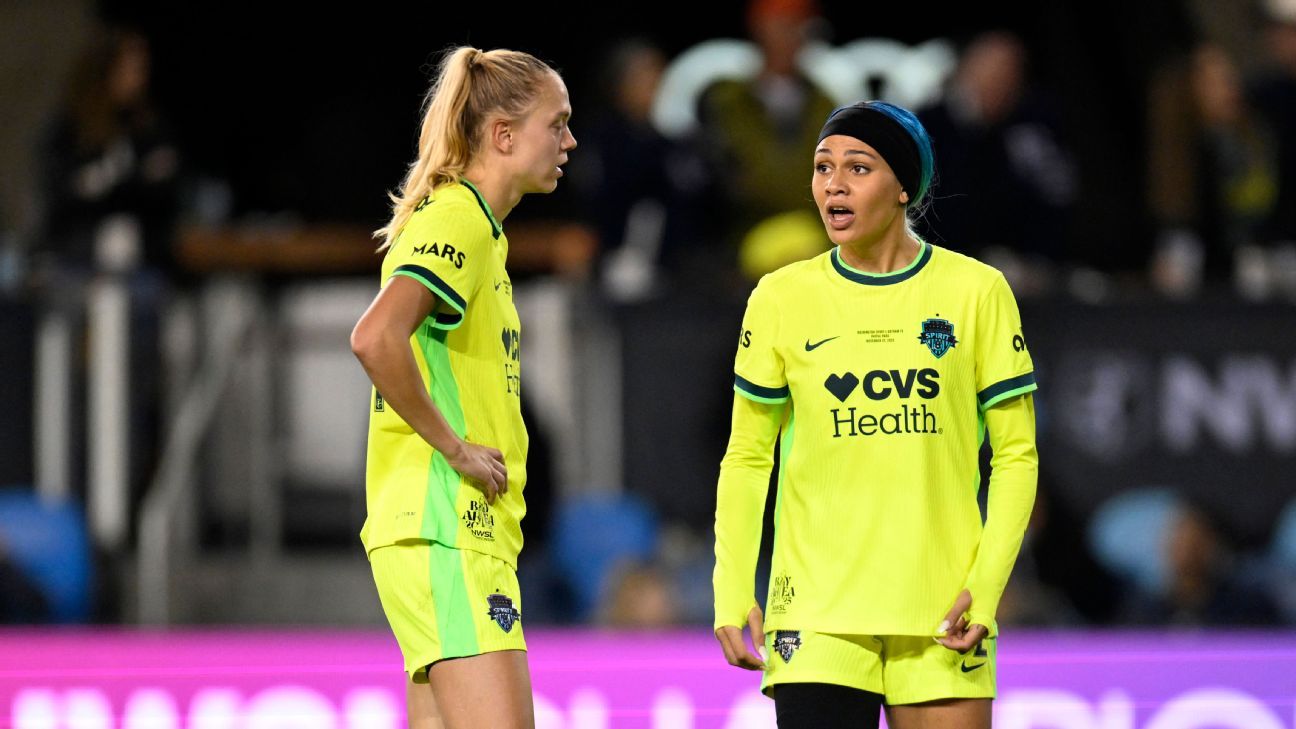
One of the most notable implications of the HIP rule involves star players such as Trinity Rodman of the Washington Spirit. Rodman’s contract is set to expire at the end of December 2025, which could leave her available to sign elsewhere without any compensation for the Spirit. Her situation has been a focal point in discussions about the efficacy and fairness of the league’s compensation structures.
The Players Association’s Opposition
Interestingly, the announcement of the HIP rule was met with immediate opposition from the NWSL Players Association (NWSLPA). The union criticized the league for implementing this rule without proper negotiation, arguing that changes to compensation fall under mandatory bargaining topics. NWSLPA executive director Meghann Burke voiced that the league’s unilateral decision undermines the collective bargaining process designed to protect players’ rights.
In a statement, the NWSLPA expressed its belief that a league that truly values its players would engage in direct discussions regarding compensation changes. Instead of imposing the HIP rule, they suggested raising the team salary cap, allowing teams more substantial freedom to negotiate contracts that reflect the players’ true market value.
The Issue of Fair Pay
The crux of the NWSLPA’s argument revolves around ensuring fair pay through duly bargained compensation systems. Bruins articulated that the league’s current approach does not facilitate the establishment of a just compensation structure and proposed a collaborative effort with team management to explore revenue sharing and multi-year contracts.
As tensions rise, the union has signaled readiness to take action to safeguard players’ rights. The emerging conflict raises questions about how the NWSL will navigate the balance between maintaining competitive integrity and addressing players’ demands for fair treatment.
Historical Context and Future Implications
The HIP rule comes at a time when the league is grappling with internal issues, highlighted by the recent grievances surrounding Trinity Rodman’s contract offer, which the league found contrary to existing rules. The union has filed a grievance on Rodman’s behalf, asserting her contract was legal according to the CBA.
As these disputes unfold, the NWSL faces critical decisions regarding its governance and relationship with players. The league maintains that the new rule was introduced after “consultation” with the NWSLPA, yet the backlash indicates ongoing friction that could impact future negotiations.
The Road Ahead for the NWSL
As the league looks toward the future, the success of the High Impact Player rule will hinge on its implementation without further conflict. The strategic commitment to attracting world-class talent is commendable, yet it must be balanced with ongoing dialogues that respect players’ rights and establish a fair system that benefits all stakeholders involved. The evolution of the NWSL is underscored by the necessity of collaboration, illustrating that a thoughtful approach to labor relations can help foster a prosperous environment for players and the league alike.