


Missouri’s Redistricting Battle: A Deep Dive into the Controversy
The Push for a Referendum
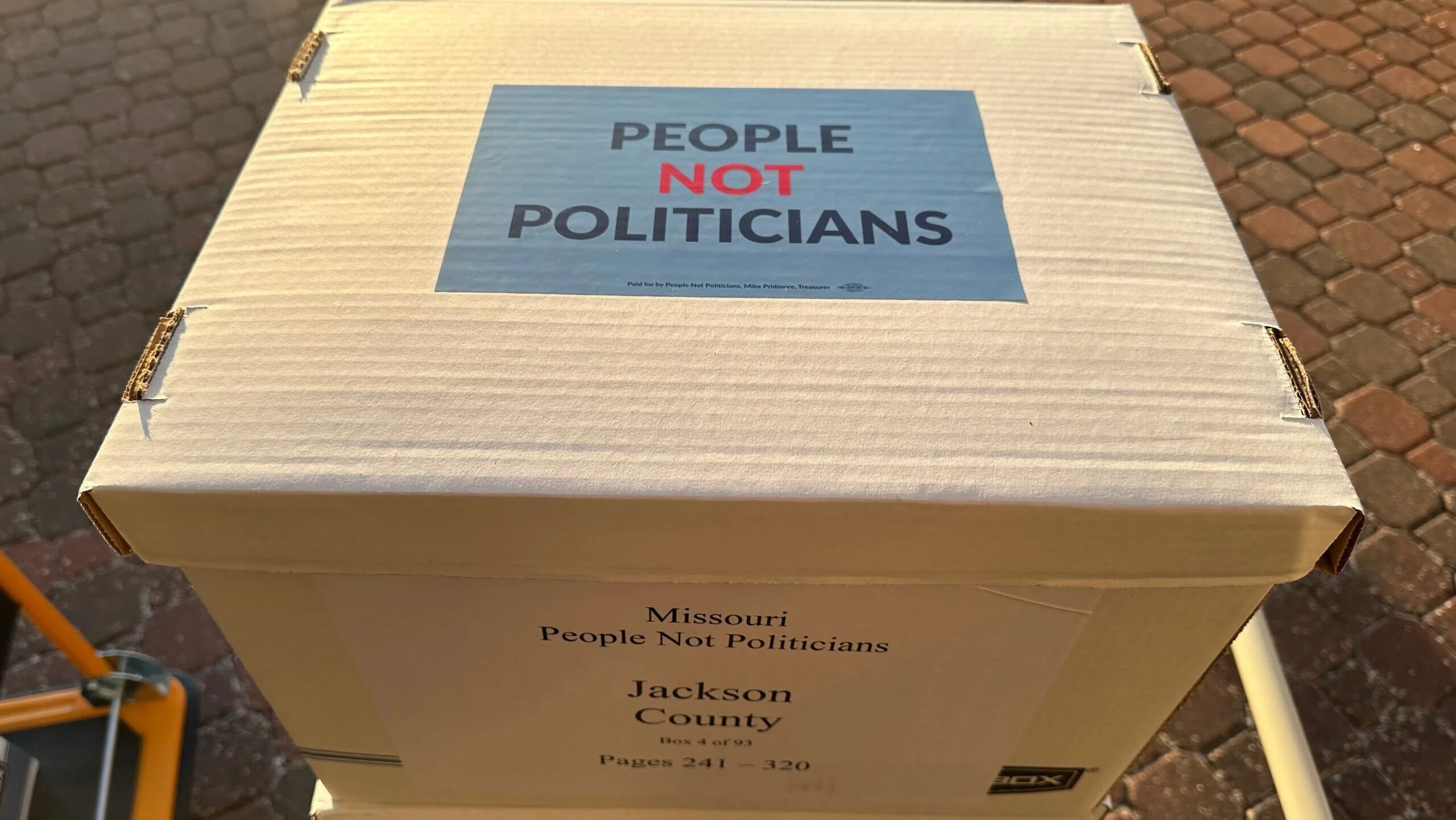
On Tuesday, opponents of Missouri’s newly drawn congressional map submitted an impressive tally of over 300,000 petition signatures, aiming to bring the redistricting plan to a statewide referendum. This initiative comes as a direct response to a map championed by former President Donald Trump, who is rallying Republican support for maintaining a tenuous majority in the U.S. House during upcoming elections. Organizers emphasized that their submission far exceeds the approximately 110,000 signatures necessary to halt the new districts until the public can vote.
The Verification Process and Legal Challenges
While the momentum is strong, the challenge isn’t over yet. The submitted signatures will undergo a verification process orchestrated by local election authorities and Secretary of State Denny Hoskins, who argues the referendum itself may be unconstitutional. If the verification process confirms the signatures, this referendum could create significant hurdles for Republicans, particularly those eyeing a Democratic seat in the Kansas City area during the November elections.
Under Missouri law, the referendum votes are set to coincide with the November general elections unless the General Assembly opts for an earlier date during its session beginning in January.
The National Context of Redistricting
Redistricting occurs once every decade following the census, yet this mid-decade reshuffling is an extraordinary response to Trump’s call for Republican-led states to redraw House voting districts for partisan benefit. Historically, the governing party faces losses in the midterm elections, a trend Trump aims to counteract by fortifying Republican hold through tactical redistricting.
As the stakes rise, each congressional seat becomes vital. Democrats require only a net gain of three seats to reclaim control of the House, a scenario that could significantly obstruct Trump’s agenda should they succeed.
A Nationwide Trend
Missouri isn’t alone in this redistricting fray. Texas kicked off the trend by implementing a new congressional map projected to support Republican aspirations for several additional seats. The U.S. Supreme Court recently greenlit the new districts for use in the 2026 elections, showcasing an evolving landscape of political power.
Republicans are also eyeing gains in North Carolina and Ohio, while Indiana considers proposals that may yield additional seats for the party. Conversely, Democrats have made inroads in California with a new map that could bolster their presence by five extra seats, alongside potential advances in Utah courtesy of a judge’s ruling.
The Fight in Missouri Heats Up
In Missouri, the stakes are particularly high and the battle intense. The group spearheading the referendum campaign, People Not Politicians, has garnered around $5 million largely from out-of-state organizations opposed to the redistricting plan. This financial backing is countered by over $2 million from Republican-aligned groups supporting the new map.
Efforts by Republicans to stymie the referendum include attempts to sway signature gatherers with monetary offers to cease their efforts. Additionally, Hoskins has brought controversy by disputing the legality of a substantial number of signatures collected prior to the official approval of the referendum petition’s format.
Competing Narratives and Legal Turmoil
In a further development, Hoskins presented a ballot summary which framed the new map as an improvement over the previous gerrymandered plan, claiming it better reflects voting patterns across Missouri. This characterization contradicts the perspective of the referendum supporters, who argue that the map reinforces partisan divides.
The legal ecosystem surrounding this redistricting initiative is further complicated by a federal lawsuit launched by the state’s Republican Attorney General, claiming that legislative redistricting cannot be subjected to a referendum process. Although a federal judge recently dismissed this lawsuit, they indicated that Hoskins retains the authority to declare the petition unconstitutional, potentially igniting yet another legal battle.
Historical Context of Redistricting in Missouri
It’s noteworthy that Missouri hasn’t witnessed a referendum concerning congressional redistricting in over a century. The last instance dates back to 1922, when the Republican-led legislature’s proposed districts were rejected by almost 62% of voters. This historical context casts a long shadow over the current political maneuvering and public sentiment regarding redistricting.
The scenario unfolding in Missouri not only underscores the complexities of political strategy and electoral influence but also highlights the broader implications of redistricting battles that are becoming increasingly common across the United States.