


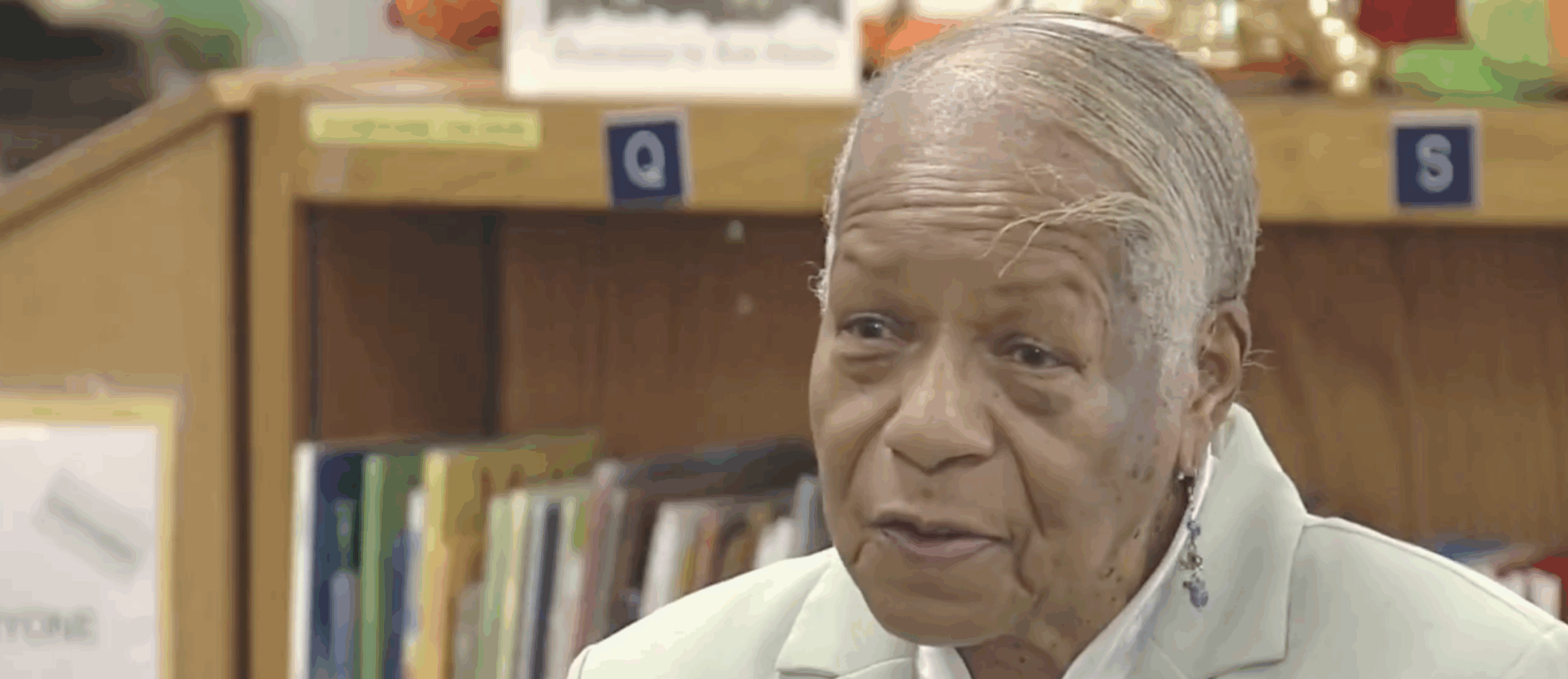
Remembering Pauline Copes Johnson: A Life Dedicated to Honoring Harriet Tubman
Pauline Copes Johnson, a distinguished descendant of Harriet Tubman and a celebrated advocate for her legacy, has passed away at the age of 98. Her death was announced by the Harriet Tubman A.M.E. Zion Church in Auburn, New York, where she was a devoted member. Copes Johnson’s connection to Tubman runs deep; she was Tubman’s great-great-great-grandniece, having grown up in the very town where the abolitionist spent her later years after escaping from slavery.
Harriet Tubman’s Legacy in Auburn
Harriet Tubman arrived in Auburn in the 1850s, establishing a home and purchasing land in 1859. This property became her sanctuary, where she lived with her family, including parents, brothers, nieces, and nephews. Tubman’s journey was remarkable; over her lifetime, she returned to Maryland 13 times to rescue around 70 enslaved individuals, all while embodying bravery and resilience. This legacy of fight and freedom continued to resonate in the community, particularly through her family members like Copes Johnson, who remained deeply connected to Tubman’s impact.
A Hidden Family Connection
Interestingly, Copes Johnson was unaware of her relationship to Tubman until she turned 25. In a revealing interview with theGrio, she explained that her family had kept this relationship a secret due to fears of retaliation from former slaveholders. Born on August 23, 1927, just over a decade after Tubman’s death, Copes Johnson experienced a sense of discovery that propelled her into a life dedicated to preserving and promoting Tubman’s legacy.
“The relation was kept from me because there were still concerns of retaliation,” she recalled, emphasizing the fear that lingered in the air even after Tubman’s passing. This revelation not only impacted her personally but also set her on a path of research and advocacy for the abolitionist’s contributions to American history.
Advocacy and Activism
One of Copes Johnson’s notable endeavors was her campaign to have Harriet Tubman’s image replace Andrew Jackson’s on the $20 bill. As a symbol of change and progress, Tubman’s image would serve as a testament to her monumental role in American history, especially in the fight against slavery. This initiative was part of Copes Johnson’s broader mission to ensure that Tubman received the recognition and honor she deserved.
Traveling across the country, Copes Johnson spoke at numerous schools, sharing Tubman’s story with new generations of students. She served as a docent at the Harriet Tubman home in Auburn, passionately educating visitors about her great-great-grandaunt’s incredible life.
“I don’t think it was a terrible thing to live up to her legacy,” she shared with pride. “I think that was meant for us to do.” Her efforts stressed the importance of acknowledging Black history, advocating for its celebration every day of the year. Copes Johnson believed in informing people about their ancestors and the principles of justice and equality that guided them.
Breaking Barriers in Her Community
In addition to her advocacy for Tubman, Copes Johnson made her own historical strides. She became the first African American telephone operator in Cayuga County, New York, after being hired by the New York Telephone Company in 1945. This achievement marked a significant breakthrough in a predominantly white industry at the time, and it introduced her to the NAACP, further fueling her commitment to civil rights.
Copes Johnson’s life is a profound testament to the enduring legacy of Harriet Tubman and the importance of heritage. Her tireless work not only honored her ancestor’s journey but also inspired many others to recognize the contributions of Black individuals throughout history.