



From Vietnam to Selma: Peace and Equality Are Still Linked
Report presented by Dom Shannon on behalf of the African American Equality Commission to the CPUSA Peace Conference on Nov. 8, 2025.
The Words of Dr. King
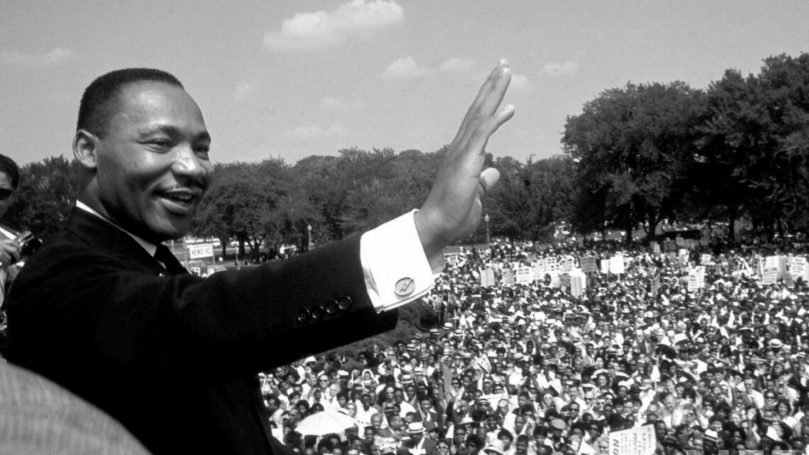
In March of 1965, Dr. Martin Luther King Jr. made a compelling statement against the Vietnam War: “Millions of dollars can be spent every day to hold troops in South Viet Nam and our country cannot protect the rights of Negroes in Selma.” This assertion resonates profoundly today as we reflect on the ongoing struggles for racial justice and peace.
The Current Landscape of Inequality
Fast forward over six decades, and the situation for many Black Americans remains shockingly similar. The current political climate, characterized by increased aggression towards communities labeled as “narco-terrorists,” and ongoing humanitarian crises—such as the genocide in Gaza—mirrors the tumultuous times of the civil rights movement. Meanwhile, legislative threats to political representation for Black voters loom large, driven by redistricting efforts and the potential weakening of the Voting Rights Act.
While basic protections are under attack, social safety nets like SNAP benefits have been severed, leaving millions in vulnerable positions. The financial choices made by the government, particularly regarding military spending, create further disparities in society. The current atmosphere prompts critical questions: If the U.S. military consumes over a trillion dollars annually, how can essential social programs find funding?
Military Budget and the Promise of Service
The military’s substantial budget diverts resources from necessary social initiatives, leaving many Black Americans grappling with the lack of support for their communities. In many cases, the military seeks to recruit low-income individuals, enticing them with promises of upward mobility in exchange for service. Unfortunately, these promises often fall flat, especially when veteran affairs funding is slashed.
Historical Context and Activism
Historically, movements for peace have seen significant participation from Black advocacy groups. In the past, organizations like the Student Nonviolent Coordinating Committee (SNCC), the Black Panther Party, and local Black churches voiced strong opposition to the Vietnam War. Their contributions were pivotal in mobilizing communities, but the current peace movement appears fragmented and less inclusive of Black voices.
Overcoming Modern Divisions
Today, barriers prevent effective engagement from the Black community in broader peace initiatives. These issues of sectarianism, along with the exclusion of key Black organizations, hinder collective action. Addressing these barriers is vital as it allows for greater unity among activists striving for peace and justice.
Coalitions with organizations like the NAACP and the Coalition of Black Trade Unionists (CBTU) are essential for fostering this unity. Participation from diverse voices strengthens movements against systemic violence and oppression, and the call is for all members of the peace movement to dismantle obstacles stemming from sectarianism and racial hierarchies.
The Role of Unity
For meaningful progress, it is crucial to build alliances across racial and economic lines. The historical role of Black Americans in advocating for peace serves as a poignant reminder of the strength and necessity of a united front.
In pursuing this unity, we not only honor the legacy of Dr. King but set the stage for a new movement—one that prioritizes the voices of the oppressed in discussions about war and peace. The fight for social justice and equality is inextricably linked to the quest for peace, and it is imperative we acknowledge and act upon this truth.