


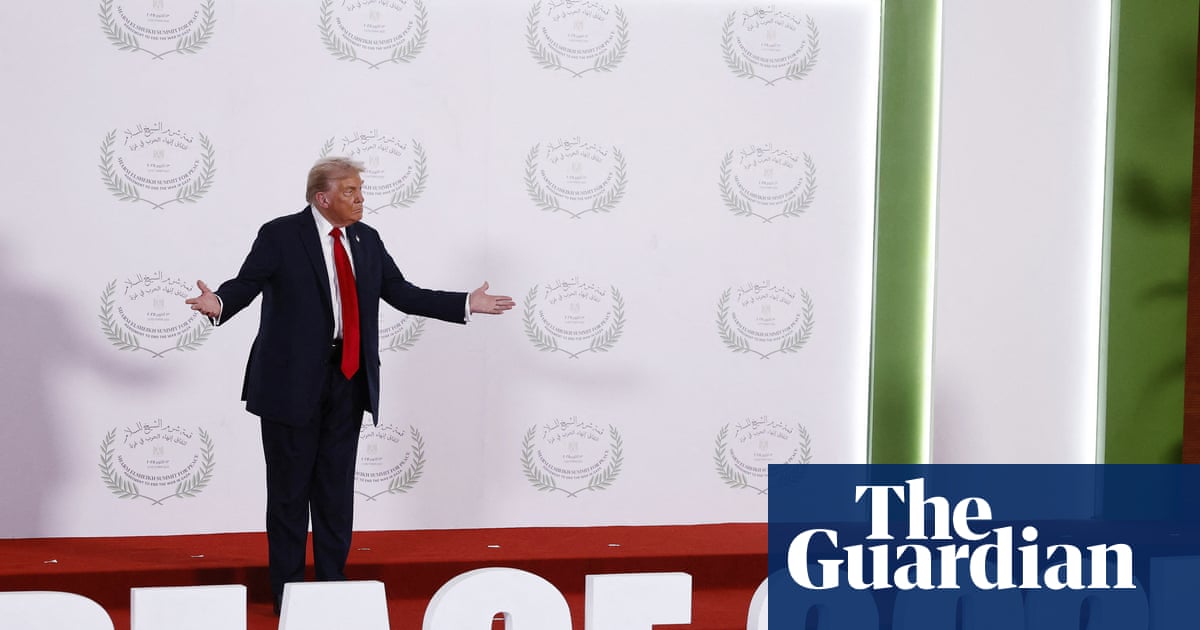
The Dual Nature of Donald Trump: Candidate vs. President
Good morning! Today, we delve into the complex character of Donald Trump—two personas, the candidate and the president.
The Candidate: A Champion of Peace
During his campaign, Donald Trump positioned himself as a peacemaker. His rhetoric painted a stark picture, claiming his predecessors had left the world embroiled in “death and destruction.” Trump boldly vowed to end ongoing conflicts in regions like Gaza and Ukraine, promising that peace would be established on his very first day in office. To his supporters, this portrayal resonated, presenting Trump as a leader who could transcend traditional diplomatic failure and restore global harmony.
The President: A Complicated Reality
However, upon assuming office, Trump’s actions often diverged sharply from his campaign promises. Initially, he took credit for fostering a ceasefire between Israel and Hamas, a significant accomplishment as he entered the White House in January. Nevertheless, he faced widespread backlash when Israeli Prime Minister Benjamin Netanyahu broke that ceasefire, reigniting conflict for another seven months. Trump’s military engagements extended beyond Gaza; he authorized bombings in Yemen and Iran and issued threats of war with Venezuela, complicating his image as a peace advocate.
Who Is the Real Trump?
This raises a critical question: which version of Trump is the authentic one? Is he truly a peacemaker? Or is he a president whose advocacy for peace masks a pursuit of power and profit? To explore this dichotomy further, I reached out to Mohamad Bazzi, director of the Hagop Kevorkian Center for Near Eastern Studies and an associate professor of journalism at New York University.
A Profitable Business Mindset
Bazzi argues that the Trump administration’s merging of business interests and foreign policy creates a perilous situation for democracy. He emphasizes that Trump’s family has been profiting significantly from his presidency. Various deals have emerged with international players—be it governments or private entities—looking to curry favor with the president. These interactions frequently involve enriching Trump’s family businesses, leading to troubling implications for governance and ethical diplomacy.
Unconventional Approaches to Diplomacy
Critics of Trump often highlight the transactional nature of his diplomacy, where negotiations are viewed purely through a lens of leverage and profitability. This oversimplification, however, sidelines fundamental questions around sovereignty and law. Supporters tout accomplishments like the renewal of the Gaza ceasefire and peace initiatives involving countries as diverse as Cambodia, Armenia, and India, viewing them as evidence of Trump’s ability to innovate in political negotiations.
Enrichment Through Foreign Dealings
Bazzi notes a stark contrast in how Trump and his predecessors approached conflicts of interest. Historically, presidents adhered to guidelines that required them to separate their business dealings from their governance. Trump, however, maintains he isn’t involved with his businesses since his children manage the Trump Organization. Yet, financial benefits directly flow back to him, raising ethical concerns.
For instance, significant real estate transactions have emerged with firms from Arab countries, including Saudi Arabia and Qatar. Bazzi describes these transactions as ones where Trump licenses his brand to developers who front the capital, allowing his family to collect licensing fees while maintaining a business relationship with key foreign players.
The Complexity of International Relations
Trump’s dealings extend into various sectors, including cryptocurrency and real estate, further complicating the boundaries between business and diplomacy. Notably, his son-in-law, Jared Kushner, emerged as a crucial figure in both domestic and foreign policy. Kushner’s commitments in the Middle East, particularly in relation to Israel and Arab states, raise challenging questions about conflict of interest.
Financial Ties to Foreign Governments
After Trump welcomed Saudi Crown Prince Mohammed bin Salman to the White House, MBS pledged substantial investments in the US economy. This commitment came alongside a broader strategy to secure defense contracts from the Trump administration. In turn, these arrangements have involved Trump’s promise of protection to Gulf states against perceived threats, notably Israel.
Implications for Future Diplomacy
Bazzi cautions that while Trump’s approach could initially suggest a move towards a more balanced foreign policy, it often reverts to traditional alignments with power. The inclination to favor strong leaders like Netanyahu and Putin suggests a return to a hawkish stance in foreign relations, undermining earlier diplomatic overtures.
As we navigate the complexities of Trump’s dual personas, it becomes increasingly evident that the interplay between business interests and foreign policy sets a controversial precedent in American governance. The implications of these intertwining roles challenge our understanding of ethical leadership in the current political landscape.