


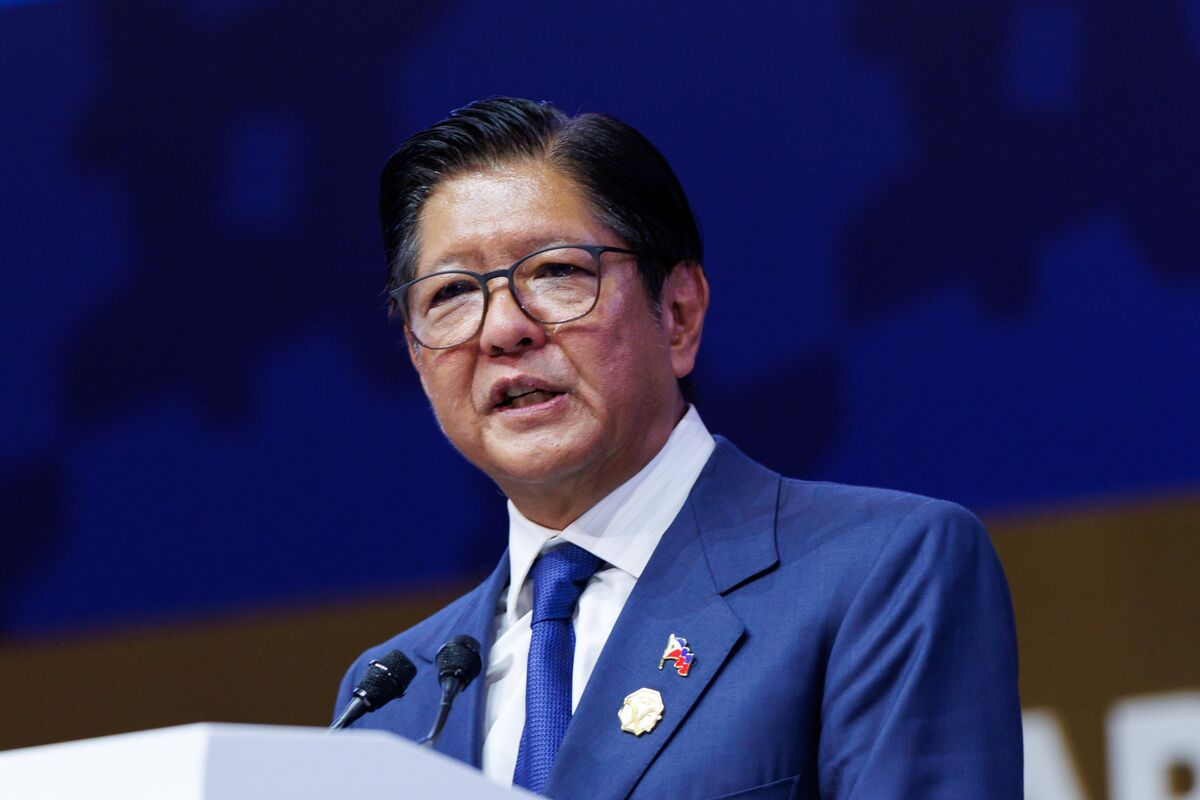
Philippine President Ferdinand Marcos Jr. Increases Soldiers’ Salary Amid Rising Tensions
In a significant move aimed at boosting the morale of the Armed Forces of the Philippines (AFP), President Ferdinand Marcos Jr. recently announced an increase in soldiers’ salaries. This decision follows a turbulent period for the administration, marked by reports of plots to unseat him, making the announcement particularly timely and strategic.
Context of the Salary Increase
The announcement comes just months after Armed Forces Chief of Staff General Andres Centino revealed intelligence reports regarding possible attempts to destabilize the Marcos administration. The backdrop of these revelations highlights the precarious political environment in the Philippines, where loyalty from the military is crucial for maintaining stability and control.
Understanding the Military’s Role
The Philippine military has historically played a pivotal role in the country’s politics. With a history of coups and political interventions, the military’s allegiance has often been a deciding factor in the endurance of various administrations. By increasing the soldiers’ salaries, President Marcos is not just addressing economic concerns; he is also reinforcing a critical pillar of his governance.
Details of the Salary Increase
While specific figures were not disclosed in Marcos’ announcement, the increase is expected to provide a meaningful boost to the basic salaries of soldiers across all ranks. This is particularly important given the rising cost of living in the Philippines, which has put financial strain on service members and their families. The increase aims to ensure that soldiers are adequately compensated for their dedication and sacrifices.
The Political Implications
The timing of the salary increase is not just about economic relief; it’s also a strategic maneuver in the face of potential political instability. By rewarding the military, Marcos is potentially mitigating dissent and reinforcing loyalty among the ranks. This approach reflects a broader trend observed in various countries where leaders bolster military compensation in times of uncertainty.
Reactions from the Armed Forces
Reactions within the military have been largely positive, with many seeing this increase as a form of recognition for their hard work amidst challenging conditions. This boost in morale can have significant implications for the operational effectiveness of the military, which is essential for addressing both internal and external security threats.
Broader Economic Context
The decision to increase military salaries comes against a backdrop of broader economic challenges facing the Philippines. Inflation rates have been fluctuating, and economic recovery post-pandemic remains a priority. By prioritizing military compensation, the Marcos administration appears to be attempting to strike a balance between enhancing national security and addressing domestic economic issues.
Public Perception and Criticism
While many within the military and their families welcome the salary increase, public perception can vary. Critics may argue that focusing on military salaries diverts attention from pressing social issues such as healthcare, education, and infrastructure. This dichotomy reflects the ongoing debate regarding national priorities and resource allocation in the Philippines.
Future Implications for Governance
As President Marcos Jr. navigates through these turbulent waters, the decision to increase soldiers’ salaries could set a precedent for future governance. It raises questions about how military spending will be balanced against civilian needs and economic development. The effectiveness of this move as a tool for political stabilization will be closely watched in the coming months.
Conclusion: A Complex Landscape
In summary, President Ferdinand Marcos Jr.’s announcement of a salary increase for soldiers is a multifaceted decision that touches upon issues of loyalty, national security, and economic stability. As the political landscape shifts, this move will undoubtedly be a focal point for both supporters and critics alike, shaping discussions around governance and military engagement in the Philippines.