


The Employment Challenges Facing Black Women: A Call for Attention
By Matt Brown
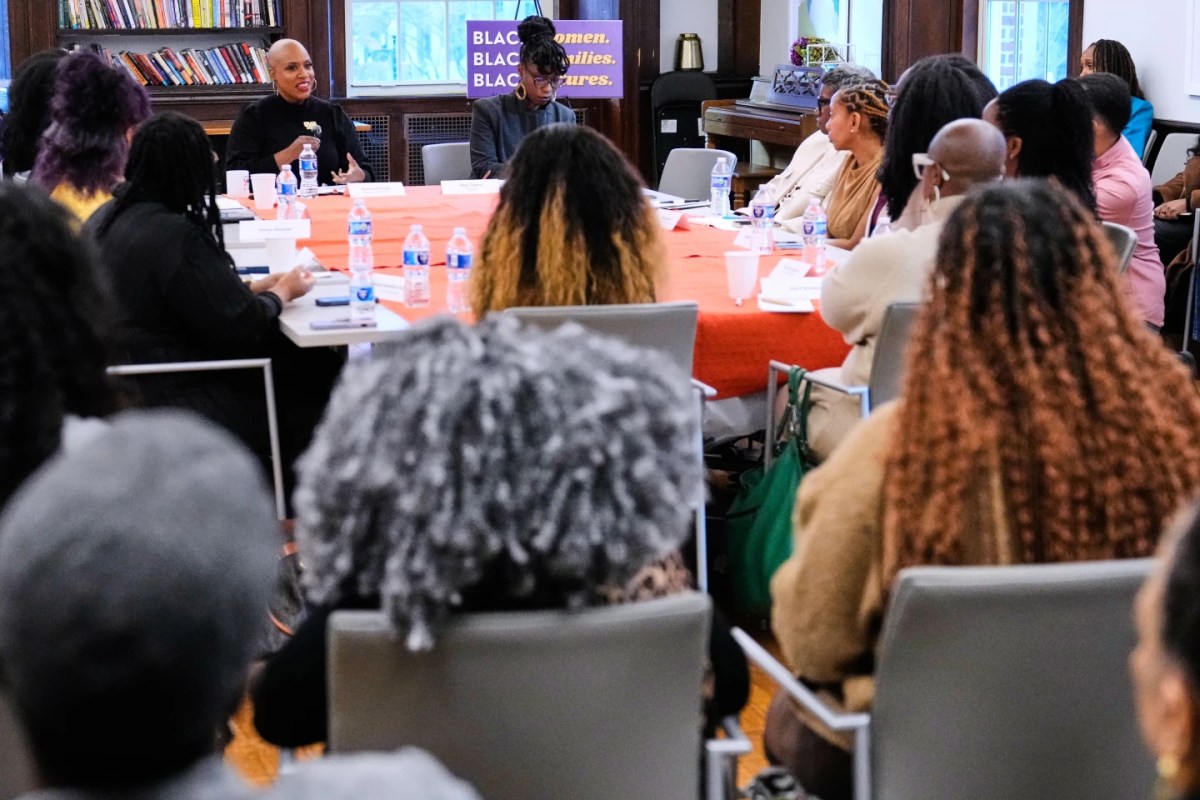
In a packed library room in downtown Boston, Representative Ayanna Pressley posed a poignant question at a recent roundtable: Why are Black women, despite having some of the highest labor force participation rates in the country, experiencing a significantly higher rise in unemployment compared to other groups? This inquiry set the stage for a vital discussion on the economic challenges facing Black women and the implications for the broader economy.
Unemployment Trends
Recent statistics reveal that the unemployment rate for Black women rose from 6.7% to 7.5% between August and September of this year, according to data from the Federal Reserve. This increase stands in stark contrast to the 3.2% to 3.4% rise among white women over the same timeframe. Such figures underline a year-long trend, where Black women’s unemployment rates have consistently diverged from other demographics, spotlighting a troubling shift within the economy.
For many attendees, the statistics not only served as an affront but also as a glaring warning about the inequalities that Black women face in the workforce. “Everyone is missing out when we’re pushed out of the workforce,” Pressley remarked, stressing the loss of valuable expertise and specialization that Black women bring to various sectors.
The Work and Underemployment Paradox
Despite having the highest labor force participation rates among all female demographics in 2024, Black women often find themselves woefully underemployed when they do secure jobs. Historical data indicates that their unemployment rates typically hover just above the national average, a trend that exacerbates during periods of economic slowdown or recession.
The Bureau of Labor Statistics notes that Black Americans are predominantly employed in sectors such as retail, health, social services, and government administration. Unfortunately, these industries are susceptible to economic fluctuations, raising concerns about job security for Black women.
Root Causes of Disparity
Anna Gifty Opoku-Agyeman, a PhD candidate at the Harvard Kennedy School, highlighted how Black women occupy a central role in the societal Venn diagram. She noted a sharp divergence in unemployment rates beginning in April of this year, suggesting that any policy agenda neglecting the underlying causes could spell trouble for the overall economy.
Roundtable participants pointed to a series of long-standing structural inequities, while also attributing much of the recent trends to federal policy decisions. For instance, the downsizing of the Minority Business Development Agency and the cancellation of federal contracts with nonprofits and small businesses have disproportionately affected Black women.
Moreover, participants mentioned the negative impact of tariff policies and widespread layoffs in federal roles, which have compounded the pressures faced by Black women in the labor market. The current administration’s opposition to diversity, equity, and inclusion (DEI) initiatives was frequently cited as contributing to a more hostile environment for Black women seeking employment or business opportunities.
The Importance of Solutions
The roundtable concluded with a focus on potential solutions to address the rising unemployment rate among Black women. Ideas ranged from leveraging state budgets to enhance business development for Black women to expanding access to microloans in various communities. Other suggestions included increasing resources for government contracting, demanding greater transparency in corporate hiring practices, and enforcing anti-discrimination policies more rigorously.
Boston City Council President Ruthzee Louijeune remarked that the discussions felt almost spiritual in their urgency. She emphasized the vital need for DEI policies in creating a robust workforce and political system. Without these measures, Louijeune warned, the country’s business and political leadership would become skewed and weakened.
As the meeting concluded, there was a palpable sense of determination among participants to continue advocating for change. “Any space that does not reflect the diversity of our country and cities is not normal,” Louijeune asserted, reinforcing the need for a more inclusive approach to policy and economic development.
This dialogue encapsulates the urgent need for systemic change. Recognizing and addressing the unique challenges faced by Black women in the workforce is not only a matter of equity but also essential for fostering a more resilient economy.