


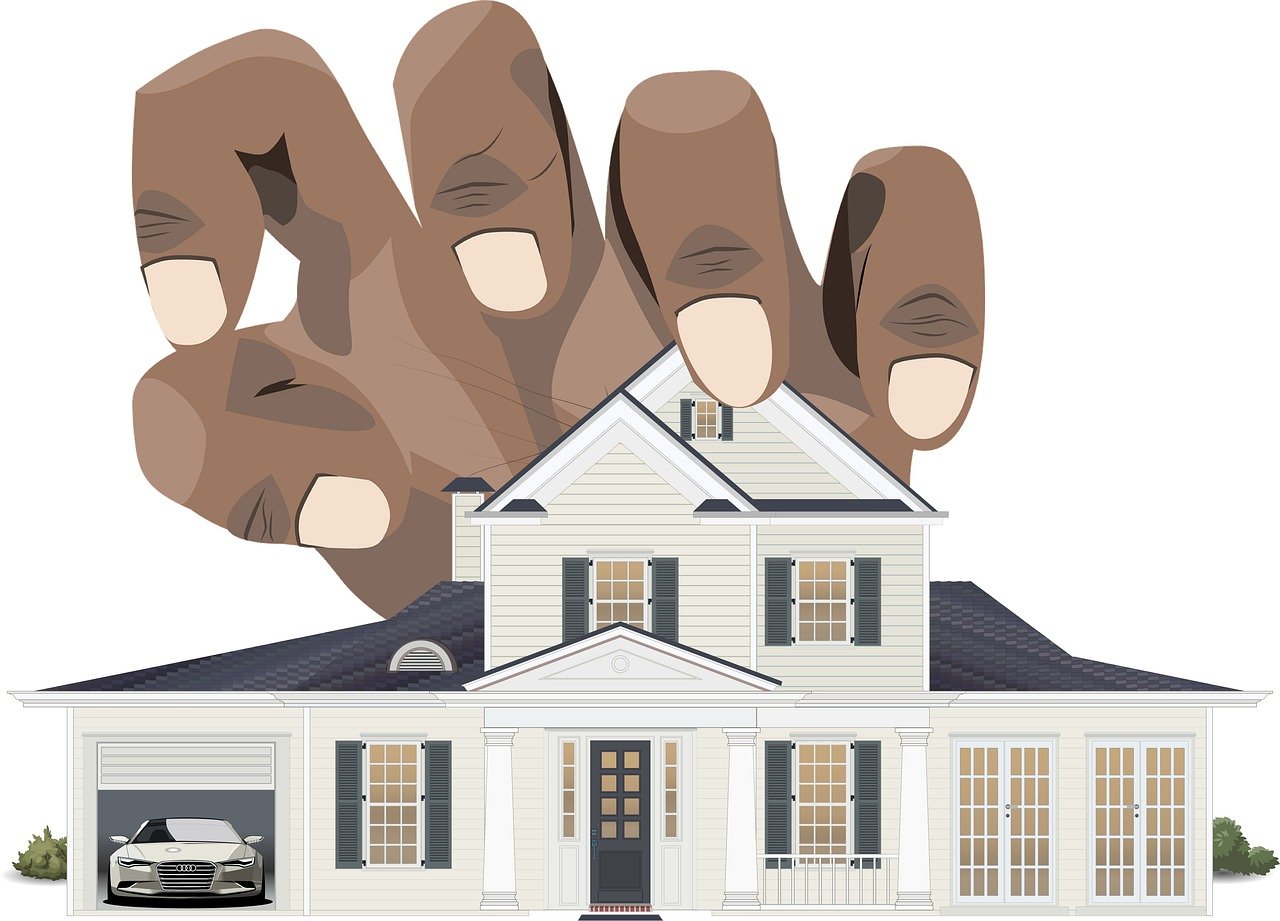
The Return of Mortgage Redlining: A Modern Crisis
Historical Context
Brookfield, a suburb of Milwaukee, has a complicated history tied to racial discrimination. Remarkably, residents from this predominantly white area once marched to Milwaukee to free an escaped slave from jail—a testament to the city’s abolitionist roots. Yet, the legacy of this past is overshadowed by systemic racism. Fast forward to today, and Milwaukee ranks as one of the most segregated cities in the United States. The descendants of those historic abolitionists often find themselves at odds with the aspirations of African American families seeking to move into their neighborhoods.
The Modern Reality of Segregation
Despite the 150 years that separate us from the abolitionist movement, young Black families with the means to relocate often choose to stay in areas where they feel a sense of belonging. This phenomenon speaks to broader societal issues: the still-prevalent practice of racial steering in real estate and the economic factors that complicate homeownership for African Americans.
The Impact of Mortgage Redlining
While personal choices affect housing patterns, the greatest impediment remains mortgage redlining—a discriminatory practice that has unfortunately resurfaced. Many may think this practice has vanished, but the reality is starkly different. According to research, African Americans are rejected for loans at double the rate of their white counterparts, even when controlling for income. This alarming trend underscores the systemic barriers that continue to impede the financial empowerment of Black Americans.
Disheartening Statistics
A study conducted by Eylul Tekin, a Ph.D. candidate at Washington University, revealed shocking statistics. Analyzing data from 1.7 million mortgage applicants—a staggering 1.4 million of whom were white—Tekin found that 52% of rejected African American applicants were never given an explanation for their denial. This significant gap in transparency poses challenges for those seeking to understand or challenge such rejections.
Moreover, in 2016, only 9% of white applicants faced rejection, compared to 19% of Black applicants with equivalent financial circumstances. In Milwaukee alone, Black applicants experienced an even higher rejection rate—further emphasizing that race, rather than ability to pay, significantly influences mortgage approval.
High-Interest Mortgages as a Barrier
The disparity does not stop at rejection; it extends into the types of mortgages African Americans are offered. Research indicates that Black and Hispanic borrowers are significantly more likely to be directed toward high-cost mortgages, raising the stakes for financial stability. These conditions have led to disproportionately high foreclosure rates among minority homeowners.
The National Bureau of Economic Research noted that “differential exposure” to risky lending practices largely explains these trends. Essentially, African Americans are often funneled into loans with unfavorable terms that can lead to instability in their housing situations.
The Cloak of Bias in Credit Scoring
One area that merits scrutiny is the algorithmic nature of credit scoring. The opacity of these systems may harbor built-in biases that disadvantage people of color. Many lenders do not even provide reasons for applicants’ denials, which keeps potential biases hidden under layers of complexity.
The implication here is profound; homeownership is not just about finding a place to live. It plays a vital role in establishing stable communities. When marginalized groups are systematically denied access to homeownership, it compromises the integrity of neighborhoods—leading to increased crime rates and deteriorating living conditions.
Seeking Solutions
Addressing the issues of redlining and mortgage discrimination cannot happen in a vacuum. It requires systemic changes and collective action. The quest for civil rights has never been merely about handouts; it’s about creating equal access and opportunity—a goal that continues to be obstructed as long as these discriminatory practices persist.
Ongoing Discrimination
Despite progress made over the years, signs of entrenched discrimination still loom large. The social fabric of communities is frayed when access to homeownership remains out of reach for significant portions of the population.
A Call to Awareness
As we navigate contemporary society, it’s crucial to shed light on these complex issues. Recognizing the historical context and understanding the current landscape enables a more informed dialogue on race and housing—essential conversations that can lead to meaningful change.
By confronting these challenges head-on, society can work toward dismantling the barriers that continue to marginalize communities of color. Now is the time to raise our voices and advocate for equity in housing—it’s a fight that is far from over.