


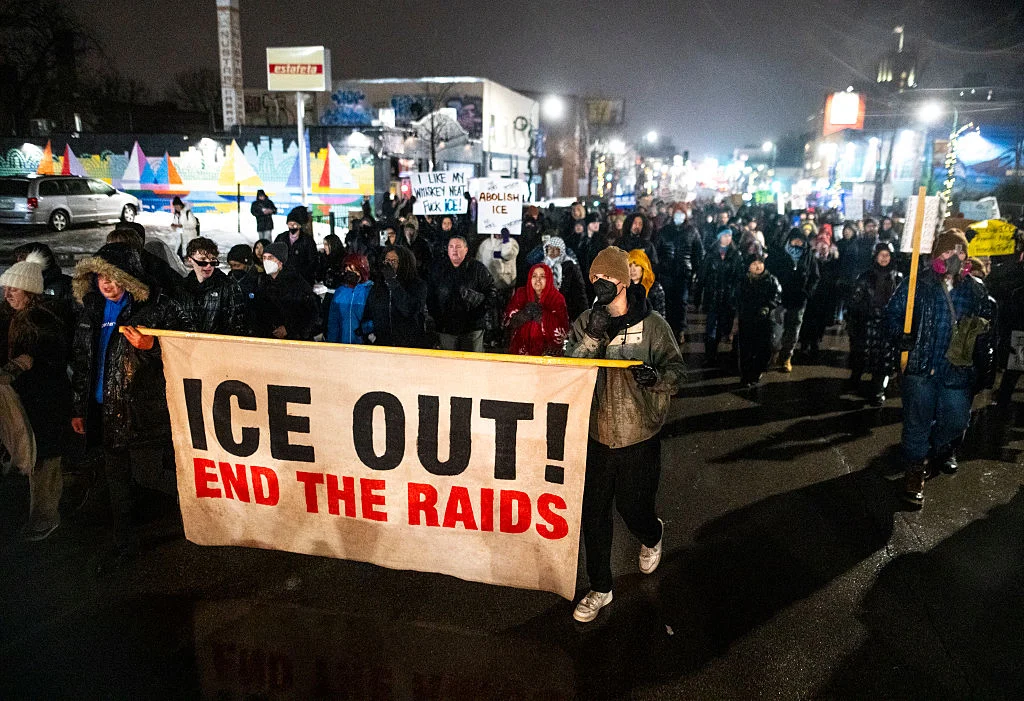
Protests at Cities Church: Tensions in Minneapolis Over ICE Involvement
In recent days, the Cities Church in the Minneapolis–St. Paul area has found itself at the center of a storm of controversy and public outrage. This week, a group of passionate protesters disrupted a Sunday service, spurred by unsettling revelations regarding the church’s leadership—a revelation that links one of its pastors to a prominent role in U.S. Immigration and Customs Enforcement (ICE).
The Disruption: A Call to Action
Videos circulating on social media depict demonstrators entering the church as the service unfolded, chanting and voicing their discontent. The uproar was ignited by claims that Pastor David Easterwood serves not only as a spiritual leader but also as the Acting Field Office Director for Enforcement and Removal Operations at the ICE office in Saint Paul. Protesters argue that this dual role creates a concerning intersection of faith and immigration enforcement, leading to an environment of fear and distrust in the community.
The Identity Controversy
As the protests gained traction, some social media users confirmed the connection between Pastor Easterwood and the ICE official, although independent verification from major news outlets remains elusive. The lack of confirmation raises questions and amplifies the complexity of the situation. It’s important to note that confirming such identities amidst heightened emotional protests can prove challenging, as misinformation often spreads quickly online.
A Context of Shared Grief and Anger
The discontent in Minneapolis stems from a recent, tragic incident involving ICE. The fatal shooting of Renee Nicole Good by an ICE agent has intensified public scrutiny of federal enforcement actions, prompting continued protests and community grief. Demonstrators assert that the presence of ICE agents exacerbates existing tensions while creating an atmosphere filled with anxiety and dread. For many residents, this isn’t merely about opposing a singular event but rather a systemic issue that touches upon broader concerns of human rights, community safety, and immigration policy.
Local Advocacy Responses
Local advocacy groups, including the ACLU, have voiced their support for lawful protests, emphasizing the critical role of free speech in addressing grievances. These organizations have worked tirelessly to ensure that community voices are amplified rather than silenced, arguing that protests like those at Cities Church are essential for fostering dialogue about immigration enforcement practices.
The Media Landscape
Interestingly, major media outlets have given only limited coverage of the events at Cities Church, which contrasts sharply with the detailed reporting by independent journalists. Notably, former CNN reporter Don Lemon has provided live updates from the ground, capturing the sentiments of protesters and churchgoers alike. His coverage highlights the divergence in media narratives—while some outlets may gloss over the protests, independent journalists are stepping up to document the raw emotions and complexities on display.
A Legal Perspective
The legal implications of such protests cannot be ignored. Right-leaning commentators have begun to sound alarms, suggesting that actions perceived as an interference with religious worship could lead to federal legal scrutiny. The 1994 Freedom of Access to Clinic Entrances (FACE) Act, for instance, protects places of worship from threats or force aimed at disrupting their gatherings. As the situation unfolds, it remains to be seen how this legal backdrop might influence the actions of protesters and local law enforcement.
Community Mobilization and Future Prospects
The fervor and spirit of the protests reflect a community grappling with deep-rooted issues surrounding immigration reform and community trust. Protesters are not only questioning the role of religious figures in enforcing federal policies but are also demanding accountability and a reevaluation of how immigration enforcement interacts with everyday lives. The follow-up activities scheduled in the coming weeks may determine whether this movement diminishes or gains momentum.
In summary, the recent protests at Cities Church in the Twin Cities are emblematic of a broader struggle regarding faith, immigration enforcement, and community safety. As tensions rise and more voices join the conversation, the call for transparency and accountability will likely resound louder in the days to come, sustaining engagement around these critical issues.