


Revisiting 2016: A Year of Culture, Confrontation, and Creativity
A Soundtrack of Our Lives
In 2016, music was a driving force in shaping the cultural landscape. Rihanna’s Anti was spinning endlessly on playlists, while Fetty Wap’s Trap Queen became an anthem for many. This was a time when popular music had the power to unite generations, filling living rooms and parties with rhythms that made it impossible not to dance. The year was marked by viral hits and social media sharing, where everyone was eager to post their favorite tracks and moments, often filtered and self-curated.
Icons of Influence
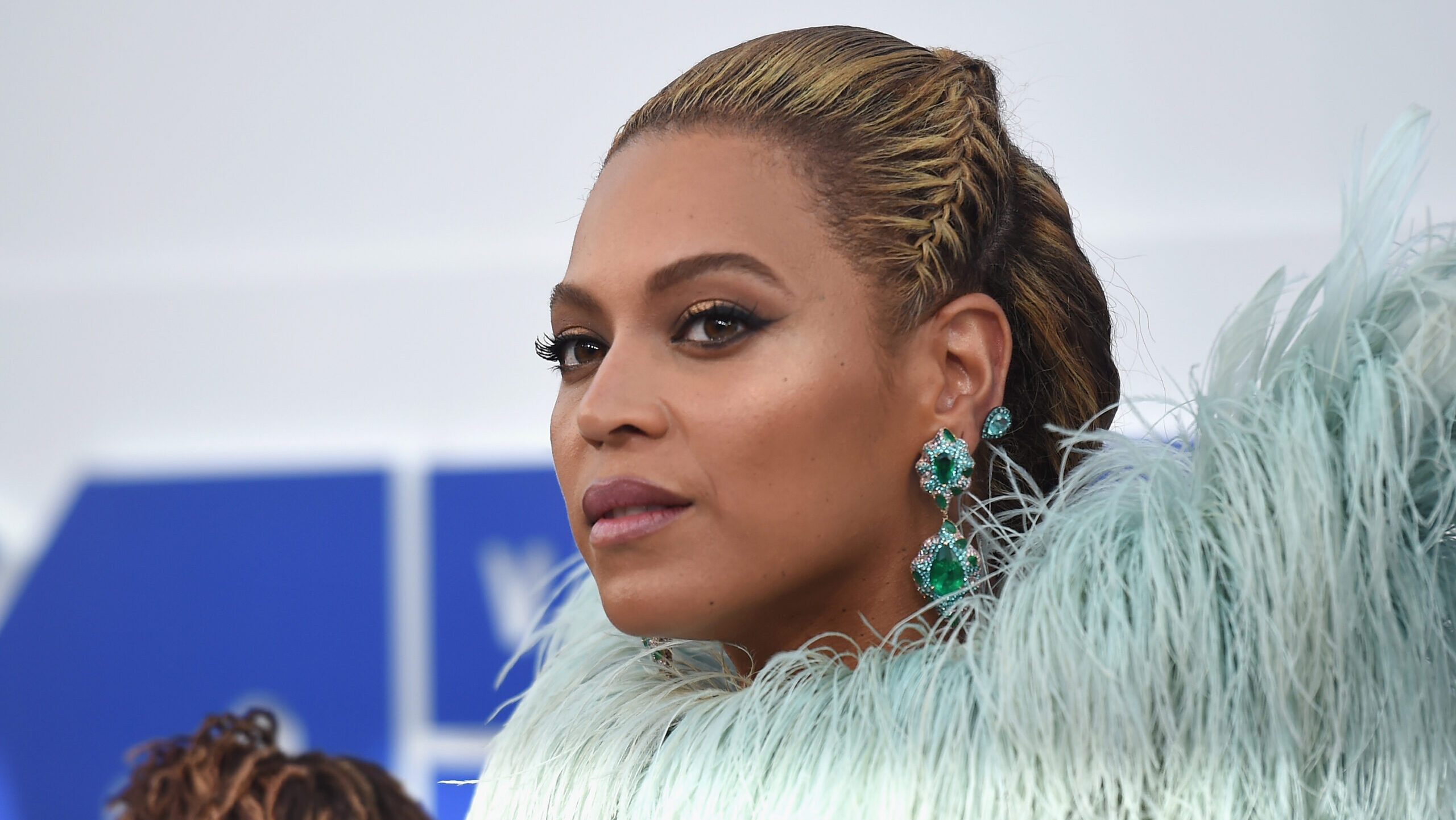
The television screens of 2016 lit up with the presence of cultural icons like Issa Rae and Beyoncé. Issa’s debut series, Insecure, began to challenge traditional depictions of Black womanhood, presenting narratives that felt raw and relatable. Meanwhile, Beyoncé’s Formation rallied a sense of empowerment and solidarity among women, reminding us all to take ownership of our identities. Artists like Drake and K-Dot contributed to the playlist of our youth, creating a rich tapestry of sound that defined everyday moments—from brunch to rooftop lounging.
Literature and the Power of Storytelling
Amidst the backdrop of music and television, literature also played a pivotal role in our zeitgeist. Readers gravitated towards Colson Whitehead’s The Underground Railroad and Ta-Nehisi Coates’ Between the World and Me, blending poignant prose with urgent social commentary. Books became vessels for understanding the intricacies of race, history, and identity. They opened dialogues that transcended the printed page, urging conversations in classrooms, homes, and social media timelines.
Olympic Glory and Cultural Milestones
The Summer Olympics in Rio became a platform for Black excellence, showcasing athletes like Simone Biles and Gabby Douglas representing not just themselves, but a larger narrative of resilience and pride. As they soared to victory, their achievements brought joy and inspiration to a community often fighting for recognition and respect. In parallel, the opening of the National Museum of African American History and Culture in Washington, D.C., marked a significant cultural milestone, offering a space dedicated to the stories and contributions of African Americans.
The Duality of 2016: Joy and Struggle
Yet, 2016 was not without its shadows. The country was torn by political upheaval with a reality TV star running for president, highlighting societal divisions that had long simmered beneath the surface. The #OscarsSoWhite movement captured a growing dissatisfaction within the entertainment community, signaling the need for a more inclusive narrative. The reality of police brutality came crashing into public consciousness, with the deaths of Philando Castile and Alton Sterling igniting protests and calls for justice. This juxtaposition of triumph and tragedy became a defining feature of the year, pushing conversations about race and justice to the forefront.
Resilience Through Expression
Even amid adversity, a remarkable resilience thrived within Black communities. Whether through music, art, or social activism, creativity became a form of resistance. Anger shifted into lyrics; pain found its voice in film and literature. From the evocative depictions of love and identity in Barry Jenkins’ Moonlight to the mesmerizing productions of artists like Frank Ocean, the essence of Black joy and creativity prevailed in the face of adversity.
The Legacy of 2016
Fast forward ten years, and the reflections on 2016 paint a complex portrait—a blend of triumph and turmoil. It’s a reminder that culture is often a reflection of its time, marked by both the exhilarating heights of creativity and the sobering depths of injustice. This year stands as a testament to human experience: one filled with highs and lows, where the beauty of expression intertwined with the reality of struggle. The memories formed during this year resonate deeply, capturing a moment in history that shaped a generation, reminding us that every moment—good or bad—is essential in defining who we are.