


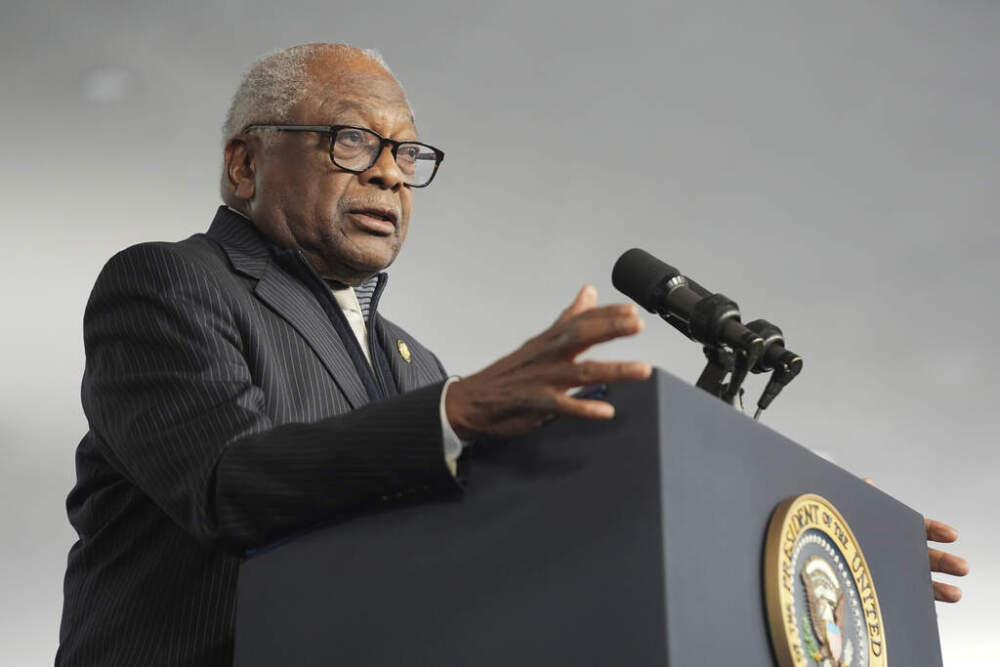
Exploring James Clyburn’s “The First Eight”: A Journey Through History and Legacy
Introduction to James Clyburn
James Clyburn is not just a Congressman; he has become an emblem of resilience and leadership within the Democratic Party. Serving South Carolina’s 6th Congressional District since 1993, Clyburn has played pivotal roles in shaping critical legislation, including efforts to raise the federal minimum wage and establish the Affordable Care Act. His political journey intersects powerfully with the Civil Rights Movement, making his voice resonate not just in South Carolina but across the nation.
A New Chapter: “The First Eight”
Clyburn’s recent book, “The First Eight: A Personal History of the Pioneering Black Congressmen Who Shaped a Nation,” aims to illuminate the lives of eight Black congressmen from South Carolina who paved the way for future generations. His motivation stemmed from the recurring curiosity he faced regarding the portraits of these men that adorn his office walls. He realized that there was a profound story waiting to be told—one that connected the past with current political struggles.
The Pioneering Figures
Clyburn introduces readers to historical giants such as Robert Smalls, whom he identifies as the most consequential South Carolinian in history. Born into slavery, Smalls famously commandeered a Confederate ship to freedom. His heroism not only earned him respect during the Civil War but also led to his election to Congress where he championed educational reforms.
In contrast, Clyburn discusses Robert De Large, a mixed-race politician whose life exemplifies the complexities of colorism and the diverse backgrounds of the eight men. De Large faced political challenges during his brief term in Congress, ultimately succumbing to illness before age thirty. Clyburn reflects on how De Large’s struggles showcase the difficulties many of these men faced despite their groundbreaking positions.
Historical Context and Modern Reflections
Clyburn breathes life into the stories of these congressmen against the backdrop of post-Civil War America—a time filled with both hope and immense challenge. He notes that the period marked a brief moment of progress for Black politicians in South Carolina, soon overshadowed by Jim Crow laws. This historical lens is crucial as Clyburn connects it to contemporary politics, drawing parallels between the violent upheaval surrounding the 1876 presidential election and today’s political climate.
Clyburn emphasizes the importance of understanding this history to grasp how fragile democracy can be. The book becomes a cautionary tale highlighting that today’s political battles are not new; they are deeply rooted in past struggles.
Lessons on Voting and Democracy
Through the narratives of these eight influential men, Clyburn also stresses the power of individual votes. Notably, he mentions pivotal moments like the impeachment of Andrew Johnson and the contested 1876 election. These events were decided by a single vote—underscoring how each person’s vote can significantly influence political outcomes. This perspective serves as a rallying cry for civic engagement, reminding readers that their voices matter.
Clyburn’s Own Political Journey
As a current leader, Clyburn draws inspiration from figures like George Washington Murray, who faced formidable challenges yet remained unwavering in their commitment to civil rights. He identifies with Murray’s courage and resilience, highlighting that even in the face of injustice and adversity, there is power in perseverance.
Clyburn acknowledges the hostility of the political environment, likening the judicial challenges faced by these historical politicians to those confronting modern Democratic leaders, emphasizing the ongoing struggle against systemic oppression.
Conclusion: A Legacy to Embrace
In “The First Eight,” James Clyburn not only preserves the legacies of early Black congressmen but also serves as a reminder of the continual fight for racial equality and representation within American politics. Through engaging storytelling and a reflective narrative, the book invites readers to understand their history and its relevance in shaping a more inclusive future for democracy. As Clyburn articulates, the lessons learned from these pioneering figures resonate profoundly today, urging current and future generations to remain vigilant and active in preserving the foundations of democracy.