


The Current State of American Detentions in Venezuela
In recent months, a significant number of Americans have been detained by Venezuelan security forces, a situation that has raised serious concerns not just among the families of those affected, but also across the political spectrum in the United States. These detentions come amid heightened tensions and aggressive military tactics from the U.S. aimed at combatting drug trafficking and asserting influence in the region.
U.S. Military Actions and the Venezuelan Context
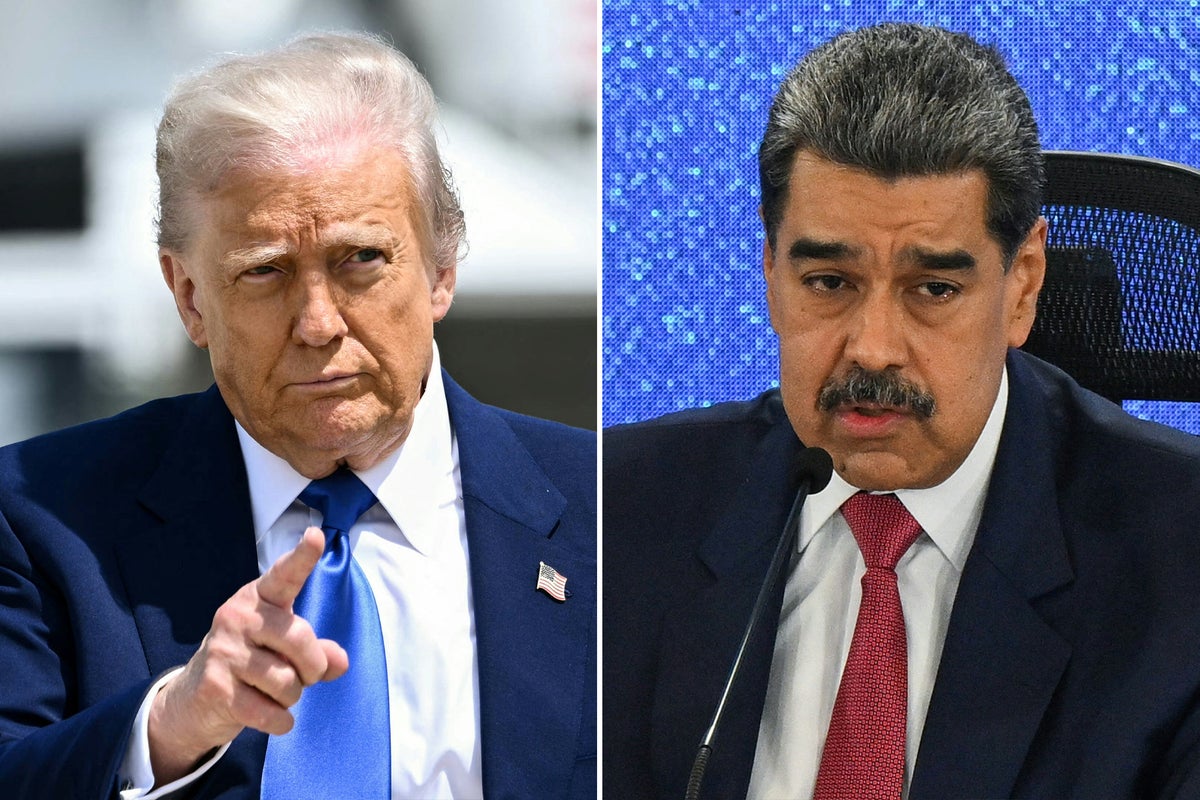
The backdrop to these detentions is a directive issued by former President Donald Trump, which authorized U.S. military interventions targeting suspected drug traffickers operating in the Caribbean. This military campaign also includes actions against vessels purportedly linked to the Venezuelan government’s alleged drug smuggling operations. The administration claims that the regime of Nicolás Maduro is heavily involved in these illicit activities, specifically naming what has become known as the “Cartel de los Soles.”
Such military operations have taken a deadly toll. Reports indicate that over 100 lives have been lost in U.S. strikes aimed at small boats suspected of drug trafficking since the campaign began. While the Trump administration has framed these actions as part of a broader fight against drug trafficking, many critics have questioned the transparency and legality of these military interventions.
Identifying the Detained Americans
Among those detained are several U.S. nationals, including James Luckey-Lange from Staten Island. Reports suggest that the U.S. State Department is weighing the possibility of designating him and at least one other American as “wrongfully detained.” However, the identities of most of the detained individuals remain undisclosed, raising questions and concerns among advocates and families seeking clarity on the situation.
Some detainees are believed to be facing legitimate criminal charges, complicating the narrative surrounding their arrests. This ambiguity raises alarming questions about the treatment of Americans abroad and the implications of their detentions in relation to U.S. foreign policy.
The Political Ramifications
The ongoing tensions and military actions reflect a broader strategy by the Trump administration to exert pressure on the Maduro government. This is framed within the context of a U.S. foreign policy that seeks to disrupt Venezuela’s access to revenue streams, particularly those linked to oil and drug trafficking. However, the administration has faced scrutiny regarding its failure to seek Congressional authorization before initiating military actions in the region.
Despite repeated calls from various lawmakers for transparency and a detailed accounting of the military operations, including the initiation of War Powers resolutions to limit the executive’s military engagement, little progress has been made. This resistance may stem from partisan divides concerning how the U.S. should engage with Venezuela.
Public Sentiment and Concerns
Public sentiment is mixed; while many Americans support efforts to challenge Maduro’s regime, there is increasing concern regarding the implications of military escalation, especially with American citizens caught in the crossfire. Advocacy groups are calling for more profound engagement from the U.S. government to ensure the safety and fair treatment of its citizens abroad, alongside a reevaluation of the tactics being employed in foreign policy.
Impact on U.S.-Venezuela Relations
The detentions and military mobilizations mark a pivotal moment in U.S.-Venezuela relations, heightening stakes for both countries. The situation remains fluid, with diplomatic channels strained and the potential for further escalation looming. The complexities of these engagements highlight the difficulty of navigating foreign policy in a region rife with political instability and deep-seated conflicts.
Breaking News Update
As the situation continues to evolve, the implications for U.S. citizens detained abroad and the broader context of U.S. military interventions remain pressing issues that demand ongoing attention and analysis. Further updates will provide clarity and context as the story develops.