


Engaging with the Unconventional: Chris Garten’s Controversial Christmas Post
A Christmas Message Gone Awry
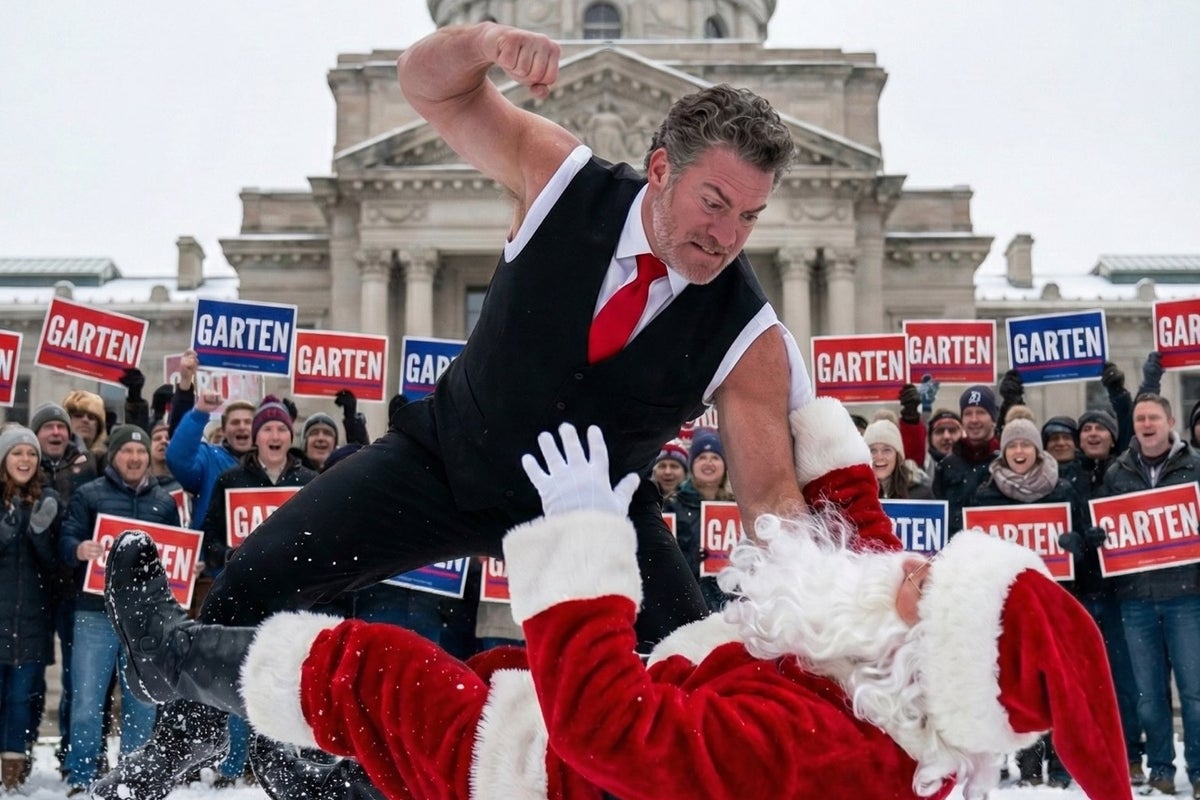
On December 25, 2025, Indiana state Senator Chris Garten stirred significant controversy by posting AI-generated images on social media that depicted him engaging in aggressive behavior towards Santa Claus. This unusual choice of holiday greetings drew a barrage of backlash from his followers and the broader online community, showcasing the political and cultural sensitivities of our times.
The Content of the Post
In Garten’s post, he illustrated a scenario where he appeared to body-slam Santa in front of the Indiana State Capitol. Alongside this image, he accompanied it with a caption expressing opposition to what he termed “bureaucratic overreach” coming from the North Pole. His wording suggested a battle against perceived liberal agendas, drawing a comedic yet contentious line between holiday cheer and political critique.
The Backlash: Public Reactions
The reactions to Garten’s post were overwhelmingly negative, with users on social media quick to express their disapproval. Comments varied from incredulity to outright condemnation. One user remarked, “This may be the most pitiful thing I’ve seen this Xmas. Congratulations.” Others took the opportunity to make a broader political statement, emphasizing the absurdity of portraying a beloved figure like Santa in a violent light.
Garten’s Defense: Laughter vs. Outrage
In response to the backlash, Garten defended his actions, referring to his critics as “snowflakes” and emphasizing that the images were meant to be light-hearted, created with his children’s involvement. He expressed frustration over the negative reactions, characterizing them as overly sensitive and indicative of a lack of humor in today’s political climate. “Merry Christmas, snowflakes!” he concluded in a follow-up message, seemingly unfazed by the criticism.
The Broader Context: A Reflection on Modern Politics
Garten’s antics can be viewed through the lens of a larger trend among political figures who use social media to garner attention, intentionally courting controversy to fuel engagement. Such actions not only reflect personal branding efforts but also the current state of discourse that often prioritizes shock value over substantive discussion.
AI and Politics: The New Frontier
The incorporation of AI-generated content into political narratives raises questions about authenticity and intent. In a landscape increasingly dominated by digital interactions, the line between humor and offense can blur easily. As public figures experiment with AI tools for storytelling and engagement, their choices can backfire in an environment where sensitivity to cultural symbols is heightened.
The Implications of Violence in Political Messaging
Garten’s choice to physically assault Santa — a symbol of joy and goodwill — ignites discussions about the normalization of aggression in political discourse. While satire and humor have long played roles in political commentary, the images introduce troubling notions about inciting violence against those who embody cultural values. As such, this raises ethical concerns about the messages being disseminated in public forums.
A Unique Holiday Narrative
Chris Garten’s Christmas post represents an intersection of festivity and politics that exemplifies today’s complicated social media landscape. By using a typically joyful occasion to display aggression, Garten and others like him provoke lively discussions about tradition, representation, and the responsibility that comes with wielding social influence.
Political Polarization and Cultural Symbology
As society grapples with increasing polarization, figures like Garten become symbols for broader cultural battles. The reaction to his post reveals underlying tensions around political identity, Christmas cheer, and what they collectively represent in an age dominated by partisanship.
In examining this incident, it is crucial to recognize how modern methods of communication and emerging technologies intertwine with our understanding of culture, sincerity, and political expression. This specific moment in political dialogue exemplifies the evolving nature of messaging and its impact on public perception and reaction.