


The Role of Journalism in Current Events: Why Support Matters
In a world facing numerous pressing issues—be it reproductive rights, climate change, or the intricate webs woven by Big Tech—quality journalism plays a crucial role. Publications like The Independent are committed to being on the frontline, ensuring that essential stories are told as they unfold. With investigative pieces that delve deep into topics, including the financial interests driving political agendas and human rights battles, the media seeks to provide clarity amid the noise of competing narratives.
One notable investigative piece from The Independent recently illuminated the ongoing struggle for reproductive rights in America. Their documentary, titled “The A Word,” serves as a poignant reminder of the real lives impacted by political decisions and policies. In a moment rife with uncertainty, having journalists dedicated to uncovering the truth is more important than ever.
Why Your Support is Essential
The commitment of The Independent to unbiased reporting is underpinned by its choice not to impose paywalls, allowing all Americans access to crucial information, regardless of their financial situation. This approach fosters a more informed public, enabling citizens to make educated decisions. Donations allow the publication to maintain this mission, funding the necessary resources to send reporters into the field and support their efforts in storytelling.
As such, donations from readers not only contribute to maintaining quality journalism but also help create a platform for diverse voices across the political spectrum. The aim is to ensure responsible reporting, which is vital, especially during turbulent times in U.S. history.
Legislative Developments in Military Oversight
In an unprecedented bipartisan move, Congress has added a specific provision regarding military transparency into its annual National Defense Authorization Act (NDAA). This legislation mandates that the Department of Defense release video footage of a controversial “double tap” missile strike, which targeted a boat in the Caribbean suspected of drug smuggling.
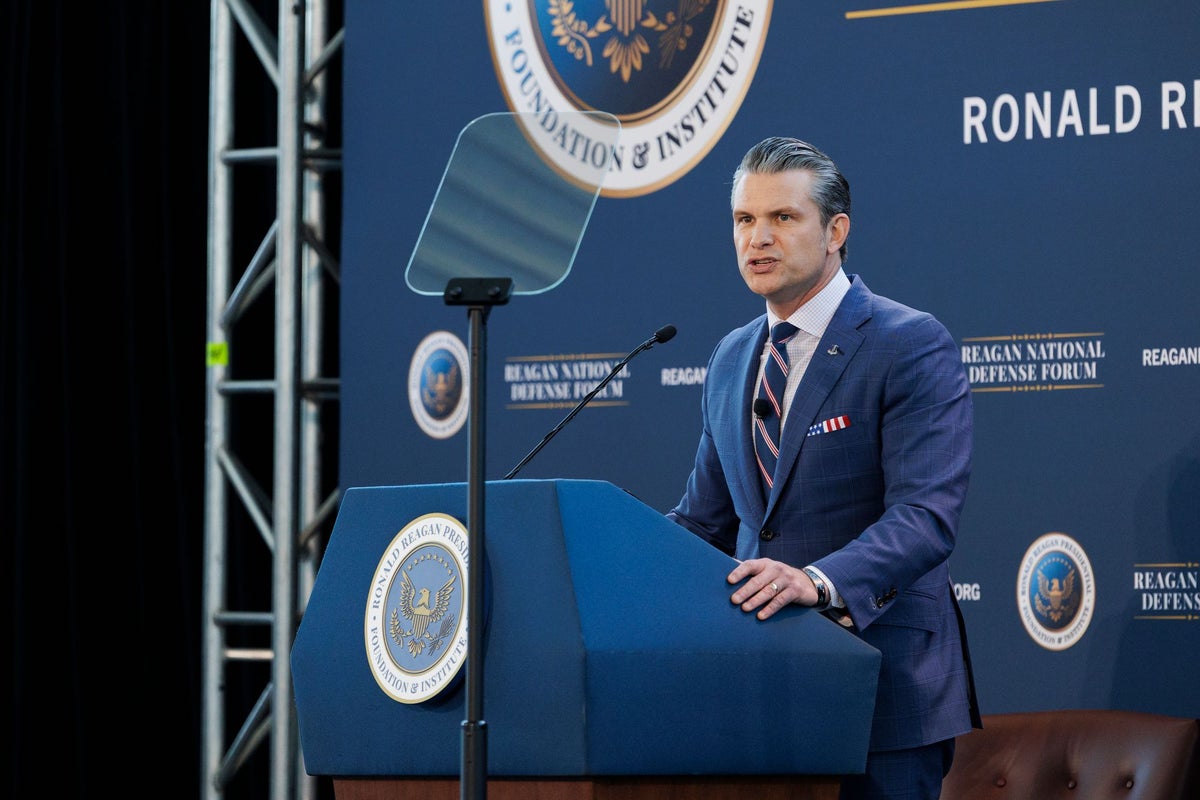
Defense Secretary Pete Hegseth has faced criticism for allegedly stonewalling Congress on releasing this footage, stirring public debate about military accountability. The video’s potential release aims to shed light on the actions taken by military forces, especially after concerns have arisen about the implications of additional strikes launched on apparent survivors.
Bipartisan Efforts and Military Funding
The NDAA traditionally serves as a foundation for defense policies while providing annual pay increases for military personnel. This year’s bill is particularly noteworthy; it includes stipulations that directly tie financial resources for the Department of Defense to the release of the aforementioned military footage. Specifically, Hegseth’s office would only receive a reduced percentage of its travel budget until it complies with the mandate for transparency regarding military actions.
This insistence on accountability represents a broader national discourse about military engagement and oversight. Prominent figures, including Rep. Jim Himes, have voiced their concerns about public awareness regarding the consequences of such military actions.
Controversial Military Policies
The 2024 NDAA isn’t just about military funding and troop allocation; it encompasses contentious social and national security policies. Along with a proposed 3.8% pay raise for service members, the bill includes measures prohibiting transgender athletes from competing in women’s sports at military academies. This has sparked intense debates over inclusivity and fairness in military environments.
Furthermore, discussions have emerged about the elimination of provisions for in vitro fertilization coverage for service members, adding another layer of complexity to ongoing healthcare conversations for military families. Critics argue that this move undermines previous promises made to military personnel regarding equitable healthcare options.
Global Military Presence and Funding for Ukraine
In light of rising tensions and global conflicts, the NDAA insists on retaining a minimum troop presence in Europe while allocating substantial funds for the Ukraine Security Assistance Initiative. This funding is directed toward bolstering Ukraine’s defenses amid ongoing geopolitical challenges.
Despite the emphasis on a military-first approach, there are emerging conversations about the ramifications of such allocations and how they align with broader U.S. foreign policy. The balancing act between national security interests and humanitarian support remains a critical area for analysis and debate.
Conclusion: The Importance of Informed Public Dialogue
The ongoing developments within the NDAA exemplify the intricate nature of military oversight, funding, and the social policies influencing our armed forces. As citizens engage with these critical conversations, the role of investigative journalism becomes ever more significant. By supporting platforms that prioritize unbiased and comprehensive reporting, the public can ensure that such vital stories are brought to light, fostering a more informed and engaged society.
In challenging times, the call for transparency and accountability in all levels of governance resonates more than ever. The public’s demand to scrutinize the actions of officials like Secretary Hegseth reflects a broader yearning for a government that values responsibility and truth. Maintaining a space for such conversations is imperative, underscoring the necessity of sustained, quality journalism.