


The Impact of Citizens United on American Politics
The Beginning of a Controversy
In 2010, the Supreme Court’s ruling in Citizens United v. Federal Election Commission sparked a significant shift in the landscape of American political finance. This decision determined that corporations are entitled to the same First Amendment protections as individuals, thereby opening the floodgates for corporate political spending. Prior to this landmark ruling, corporate influence in politics was growing, but Citizens United took it to an unprecedented level.
The Surge in Political Spending
The aftermath of the decision was striking. Between 2008 and 2024, reported independent expenditures by outside groups skyrocketed from $144 million to a staggering $4.21 billion. The rise of super PACs allowed for unlimited contributions, eroding the transparency that had been a cornerstone of political fundraising. Even more concerning is the surge in dark money, untraceable funds that influence elections without clear disclosure of their sources. This increase poses a significant challenge to electoral integrity and accountability.
Public Sentiment and Misconceptions
Many citizens feel disillusioned, believing the only ways to counteract such corporate influence are either to wait for the Supreme Court to overturn Citizens United or to pursue a grueling constitutional amendment process. Both options appear daunting and unrealistic to the average voter, leading to a feeling of helplessness regarding the situation.
A State-Level Solution
However, there’s an alternative approach worth exploring. Individual states possess the authority to regulate corporate political activities and dark money spending through their own legislative actions or ballot initiatives. This is a critical detail because corporations derive their powers from state law, making each state a pivotal player in shaping corporate influence.
The Role of State Governments
For over two centuries, states have held the power to define the nature and extent of corporate charters. As stated in the landmark 1819 Supreme Court case Trustees of Dartmouth College v. Woodward, a corporation is an artificial entity created by law and holds only those powers bestowed upon it by the state. Therefore, when a state decides not to grant corporations the power to engage in political spending, it can effectively bypass the Citizens United ruling.
The Importance of Corporate Powers
It’s critical to differentiate between corporate rights and corporate powers. The Citizens United decision undermines corporate rights, asserting that corporations can spend in elections. But if a state opts not to grant the power to spend in elections, then the right becomes irrelevant.
Examples of State Action
Delaware’s corporate code already exemplifies how this can work; it restricts private foundations from participating in election spending. By enacting laws that explicitly deny corporations the power to influence elections, states can create a more equitable electoral environment.
The Push in Montana
In Montana, a grassroots movement has emerged with the goal of placing a constitutional initiative on the ballot for voters to consider in 2026. This initiative, known as the Transparent Election Initiative, aims to prevent corporations from engaging in political spending while still recognizing their operational powers in other areas. This proactive approach not only seeks to negate the ramifications of Citizens United, but it can also inspire similar initiatives across the country.
Addressing Public Concerns
Polling data shows that a significant portion of the public — approximately 75% — disapproves of the Citizens United ruling. This widespread discontent presents an opportunity for state leaders to take action. Many might not be aware that they can make meaningful changes in their states to curtail corporate influence.
Moving Forward
In calling for action, it becomes imperative that citizens mobilize at the state level. States can reclaim their power over the corporate entities within their jurisdiction, fostering a political landscape that prioritizes transparency and accountability over corporate interests.
A Community of Change
As Montanans push to lead this movement, there’s potential for broader implications nationwide. By empowering local citizens and legislators, the path to revitalizing political integrity and dismantling dark money’s grip on elections becomes more achievable. Individual states can serve as laboratories of democracy, testing solutions that can ultimately reshape the country’s political finance system for the better.
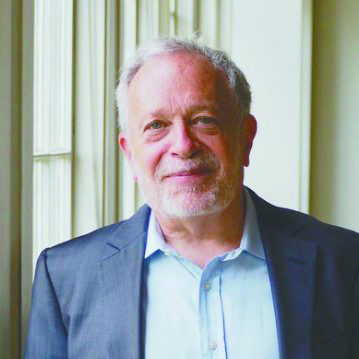
(Robert Reich, former U.S. Secretary of Labor, currently holds a professorship in public policy at the University of California, Berkeley. His insights reflect a deep understanding of economic policies and their societal impacts.)