


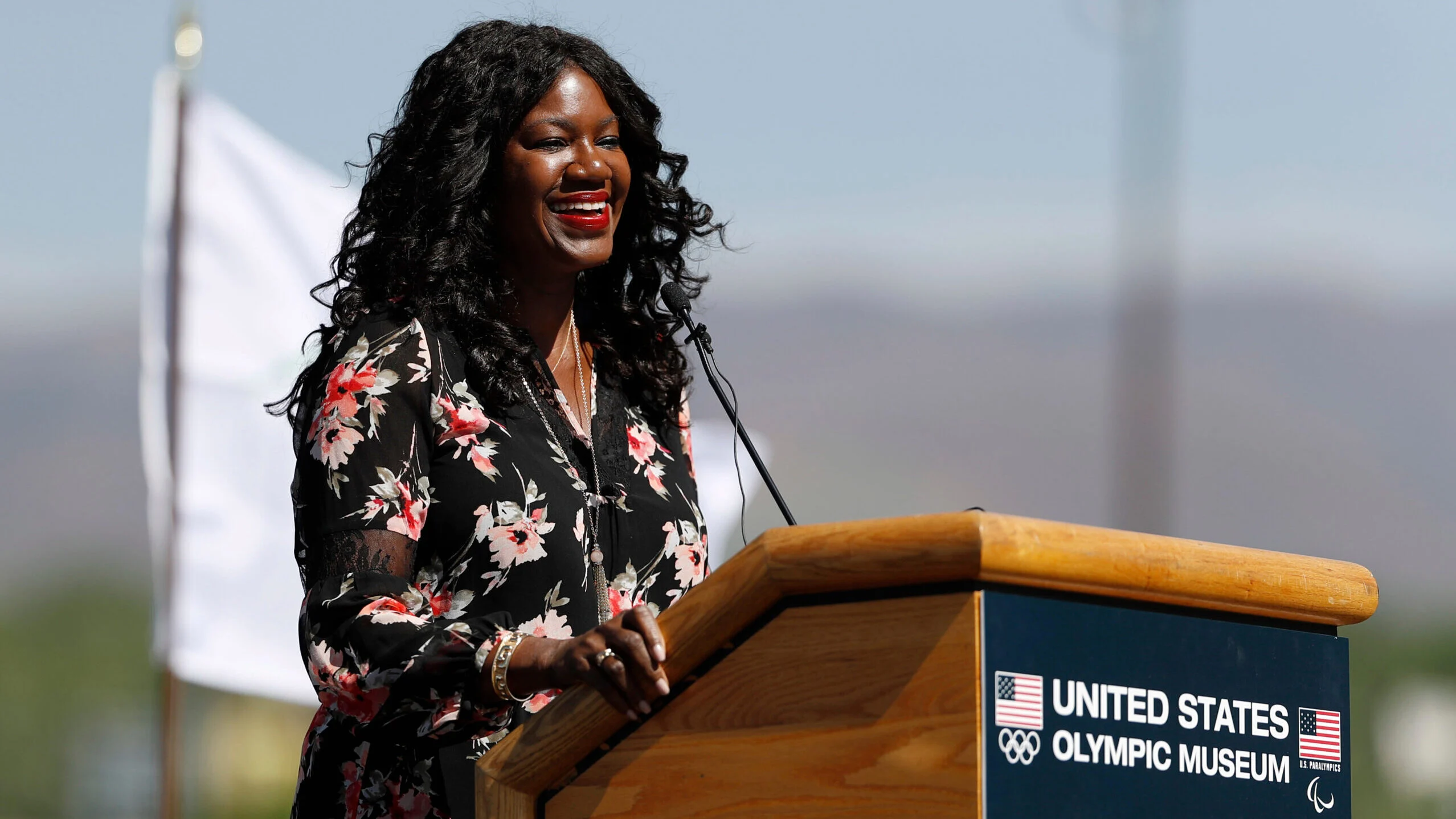
### A New Era for Athlete Protection: Benita Fitzgerald Mosley Takes the Helm at the U.S. Center for SafeSport
On Tuesday, the U.S. Center for SafeSport announced a significant leadership change by appointing Benita Fitzgerald Mosley as its new CEO. This decision comes at a critical juncture for the organization, which has faced challenges and scrutiny since its inception nearly nine years ago. As a celebrated 1984 Olympic gold medalist, Fitzgerald Mosley brings a wealth of experience and a renewed focus on athlete protection.
### A Personal Calling
Benita Fitzgerald Mosley will officially begin her role on February 1. In her statement released to the Associated Press, she emphasized that this position is “more than a job opportunity for me, it is a calling.” This sentiment reflects her deep commitment to improving the landscape of athlete safety and underscores her readiness to tackle the challenges that lie ahead.
### Vision for Change
Fitzgerald Mosley expressed her belief in the potential for the Center to foster a safe and nurturing environment for athletes. “We have an extraordinary opportunity to reimagine what excellence in athlete protection looks like,” she stated. Her optimistic outlook signals a proactive approach to addressing the systemic issues that have plagued the organization and the sports community at large.
### The Birth of SafeSport
The U.S. Center for SafeSport was established in 2017, following widespread criticism of how major sports organizations, including the U.S. Olympic Committee and USA Gymnastics, handled allegations of sexual abuse. Designed to promote safe sporting environments and protect athletes, the center was born out of necessity due to numerous failures in safeguarding athlete welfare.
### Progress and Challenges
Despite the Center’s efforts to promote a culture of safety, Fitzgerald Mosley acknowledged that there is still much work to be done. “It’s made great strides in shifting sport culture toward athlete safety,” she noted. However, she also pointed to the ongoing need to enhance operational efficiencies and expand the organization’s impact, especially for athletes and survivors who rely on its support.
### Leveraging Experience
Fitzgerald Mosley is no stranger to the complexities of Olympic administration. Her previous roles include serving as the chief of sport performance at USA Track and Field and as the chief operating officer of the U.S. Olympic Committee. Her extensive background positions her uniquely to lead the Center through its next phase, particularly as she aims to rebuild trust among athletes.
### Addressing Missteps
The issues confronting the U.S. Center for SafeSport have not been solely procedural. Notably, a congressional panel previously noted in its report that “it became clearer with each new piece of evidence that SafeSport has lost the trust of many athletes.” This was further complicated by troubling revelations regarding the center’s handling of personnel, including the controversial hiring and firing of investigator Jason Krasley, who faced serious legal issues during his time with the organization.
### New Leadership Amidst Turbulence
Fitzgerald Mosley steps into this new role after a lengthy search that followed the departure of former CEO Ju’Riese Colon in April. Her appointment marks an important milestone for the Center as it seeks to revitalize its mission. According to Chicka Elloy, vice chair of the SafeSport board, Fitzgerald Mosley is “well-positioned to advance the Center’s mission” and is expected to play a pivotal role in defining its future.
### An Athletic Legacy
Fitzgerald Mosley’s background as an athlete adds a personal layer to her leadership. She captured the attention of the nation when she became the first American woman to win gold in the 100-meter hurdles at the 1984 Los Angeles Olympics. This backdrop not only lends her credibility but also enriches her understanding of the athlete experience—an essential perspective as she navigates her new responsibilities.
### A Transformative Journey Ahead
As the U.S. Center for SafeSport embarks on this transformative journey under Fitzgerald Mosley’s leadership, there is a palpable sense of hope and anticipation. Her vision and commitment to athlete well-being could be the catalyst for profound changes within the organization, aiming to make the sporting world safer and more just for all athletes.