


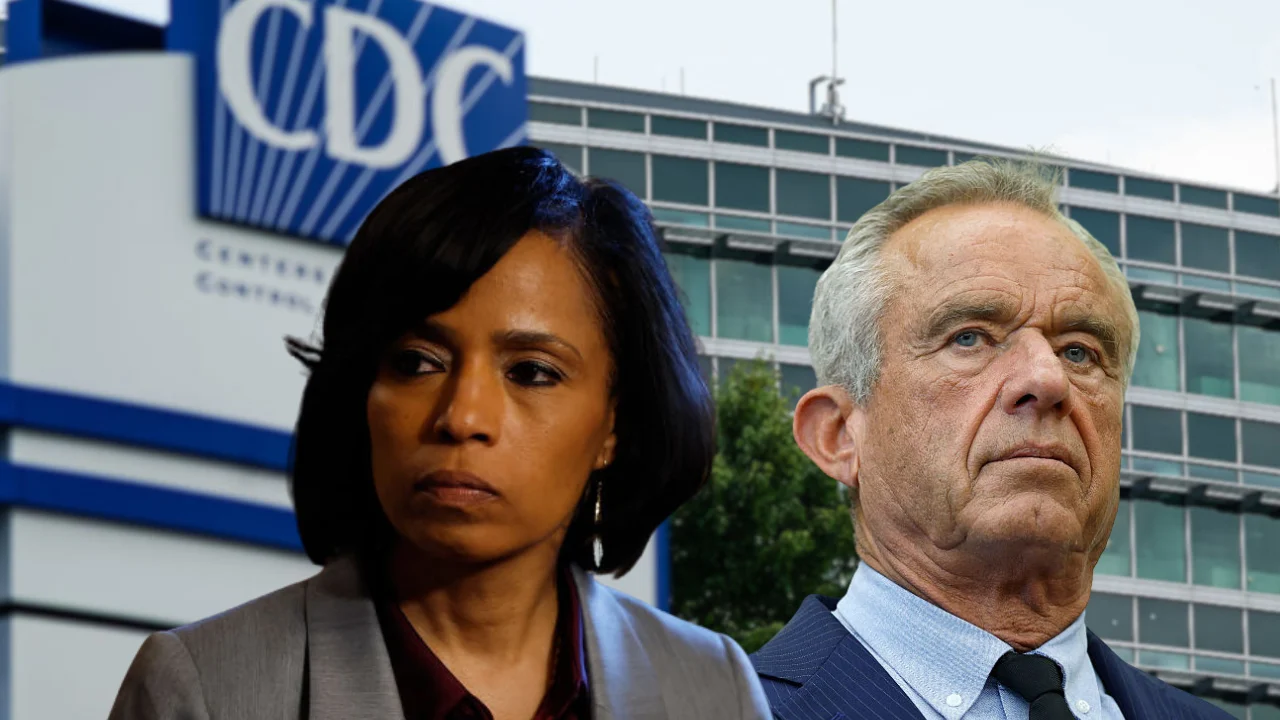
The CDC’s Controversial Vaccine Decision: A Shift in Child Health Policy
The recent decision by the Centers for Disease Control and Prevention (CDC) has sent shockwaves through the medical community. For the first time since 1991, the CDC’s Advisory Committee on Immunization Practices voted to end the recommendation of the hepatitis B vaccine for newborns at birth, a decision that raises critical questions about child health policy and vaccine safety.
A Historic Vote
On a recent Friday, the Advisory Committee voted 8 to 3 to withdraw the longstanding recommendation for the hepatitis B vaccine. This vote represents a significant departure from decades of established public health policy, indicating a troubling trend in the approach to immunization in the United States. The role of Secretary of Health and Human Services, Robert F. Kennedy Jr., known for his anti-vaccine stance, looms large over this decision.
Kennedy’s influence on the CDC is particularly concerning, given his lack of medical expertise and his history of promoting vaccine skepticism. By reshaping the panel that advises on immunization practices, Kennedy has effectively placed individuals who share his doubts regarding vaccine efficacy in positions of power, raising alarms among healthcare professionals and public health advocates.
The Implications of the Decision
Hepatitis B is a highly infectious virus that can have dire consequences, especially for children. Chronic liver disease is a significant risk for those infected, and the CDC has advocated for vaccinating infants against this virus since 1991. Traditionally, the first dose of the vaccine has been administered within 12 hours of birth for infants born to infected mothers, and within 24 hours for all newborns.
The new recommendation puts the onus on mothers who test negative for the virus to consult with their healthcare providers before deciding on the vaccination. This shift could lead to a decline in vaccination rates and potentially endanger the health of vulnerable infants, making it imperative for parents to make informed choices based on reliable scientific evidence.
Political Reactions
Public figures in the political arena, such as U.S. Senator Angela Alsobrooks, have expressed outrage over the panel’s decision. Alsobrooks has been vocal about the need for the government to prioritize public health over conspiracy theories. “Today is just the latest, and perhaps most dangerous, in a long string of actions by RFK Jr. intended to make Americans sicker,” she stated. Her comments underline the sentiment that the current administration is undermining established medical research and guidelines for political purposes.
Alsobrooks further implored Americans to turn to their healthcare professionals rather than the “handpicked conspiracy theorists” surrounding Secretary Kennedy. Her stance reflects broader concerns within the medical community that decisions made by the CDC should be based on scientific grounds, not ideological beliefs.
The Role of Trust in Healthcare
The trust between healthcare providers and the public is paramount for effective disease prevention and management. By destabilizing the CDC’s advisory panel and altering longstanding vaccination recommendations, the current administration risks eroding public confidence in vaccines. The efficacy of the hepatitis B vaccine is well-documented, and changing guidelines without robust scientific justification could lead to increased hesitancy toward vaccination in general.
Additionally, the potential for long-term health impacts should not be underestimated. Chronic hepatitis B infections could proliferate if vaccination rates decline, resulting in not just individual health challenges but a public health crisis with far-reaching implications.
A Call for Accountability
Senator Alsobrooks’s passionate plea for accountability echoes a sentiment shared by many in the public health sector. She has urged her Republican colleagues to step away from partisan loyalties and instead advocate for the constituents’ health and safety. “This is the moment for my Republican colleagues to put aside their loyalty to this Administration and act on behalf of the American people,” she asserted.
The responsibility of ensuring the well-being of American citizens lies not just with one individual or administration but requires a collective effort from all members of the healthcare community, lawmakers, and the public. The conversation surrounding vaccine recommendations is not merely a political debate; it has serious implications for the health of current and future generations.
Moving Forward in Uncertain Times
As the CDC’s decision reverberates through the medical community, one thing is clear: the dialogue about vaccine safety and efficacy is far from over. Parents, healthcare providers, and policymakers must come together to navigate these changes thoughtfully. In an era where misinformation can easily spread, relying on qualified medical advice and peer-reviewed scientific research is crucial for making informed healthcare decisions. The future of public health may well depend on the choices made today—choices that need to prioritize the health and safety of all individuals, particularly the most vulnerable among us.