


Congressional Black Caucus Voices Concern Over USDA Policy Change
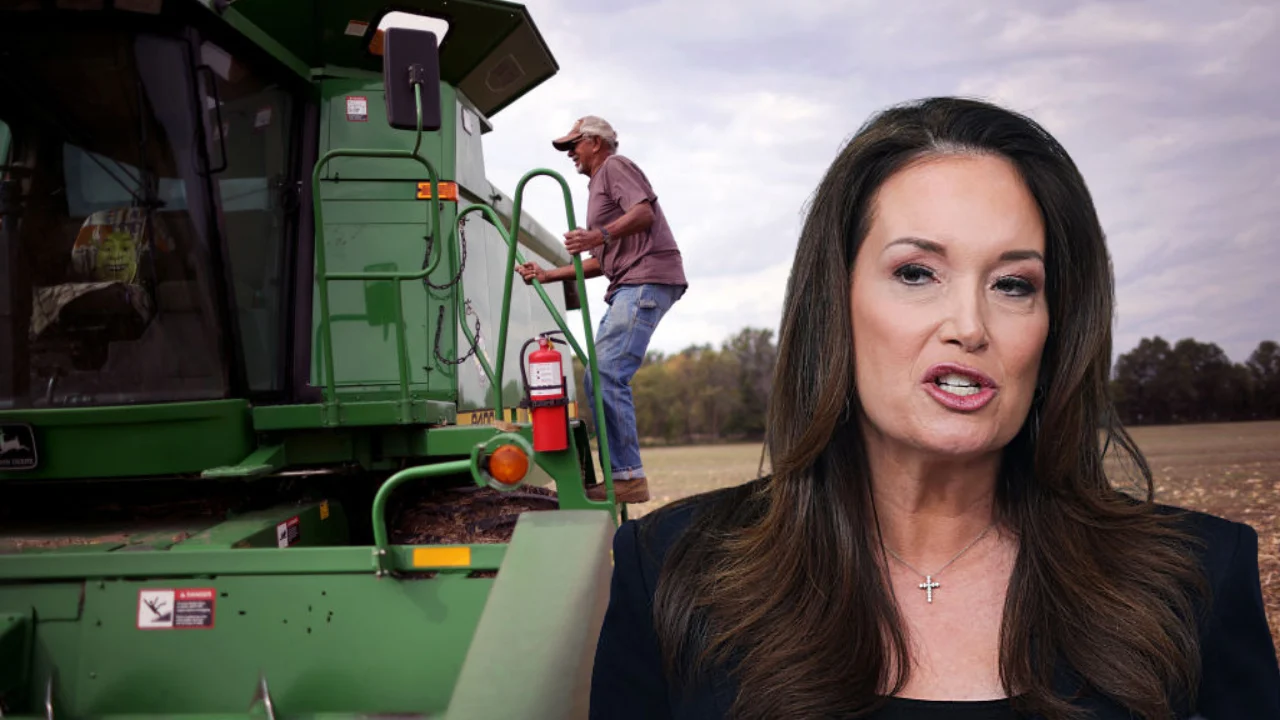
Members of the Congressional Black Caucus in the U.S. Senate are sounding the alarm over a significant policy shift from the Trump administration that threatens to affect marginalized farm operators, particularly Black farmers. In a recent letter addressed to U.S. Secretary of Agriculture Brooke Rollins, Senators Lisa Blunt Rochester (D-Del.), Cory Booker (D-N.J.), Raphael Warnock (D-Ga.), and Angela Alsobrooks (D-Md.) expressed their serious concerns regarding the removal of the designation of “socially disadvantaged” farmers, a classification that has provided critical support since it was established by the 1990 Farm Bill.
The Impact of Policy Revisions
The Senators assert that this new rule undermines efforts to support farmers of color and women producers at a time when food insecurity is becoming increasingly pronounced. The letter articulates a fundamental concern: “It elevates corporate agriculture over family farms and community health.” With rising food costs, the Senators urge the USDA to reconsider the implications not just for equity, but also the broader consequences for rural economies and community well-being.
In July 2025, the USDA filed a rule to eliminate the “socially disadvantaged” designation, claiming that there is no longer a necessity for such acknowledgments. The administration argued that previous efforts had sufficiently addressed historical injustices faced by minority farmers. This departs from the established understanding of the systemic barriers that persist and continue to disproportionately impact farmers of color.
Historical Context
The designation of “socially disadvantaged” farmers was introduced to provide essential assistance for outreach and technical support, recognizing that Black and Brown farmers have historically faced unequal treatment from the federal government. The Trump administration posited in its filings that this designation was no longer necessary, framing its policy changes within the context of a meritocratic system. However, the Senators highlight data that contradicts this claim, noting that only 36% of Black farmers received direct loans from the USDA as compared to 72% of white farmers.
The Reality Beneath the Rhetoric
The disparities extend beyond loan approvals. Statistics reveal stark inequalities: the average size of farms operated by Black producers is significantly smaller, averaging 163 acres compared to 450 acres for their white counterparts. During Trump’s presidency, a staggering 99.4% of farmer relief funds were allocated to white farmers, raising fears of a similar trend continuing into any potential second term.
John Boyd, the founder of the National Black Farmers Association, points to a troubling reality: Black farmers were noticeably absent from high-profile meetings with Trump administration officials. He recounts an official’s admission that they “did not want” Black farmers present, focusing instead on nurturing relationships with larger corporate farms. This raises crucial questions about the administration’s commitment to diversity and support for marginalized communities in agriculture.
Food Deserts and Community Health
The implications of these policy changes extend beyond individual farmers; they threaten community health, particularly in areas classified as food deserts. The Senators’ letter stresses that without targeted support for marginalized farmers, many could lose their economic viability, impacting local food access and exacerbating health disparities in low-income neighborhoods. This contradicts broader public health initiatives aimed at increasing access to nutritious food.
Concerns Over Engagement and Transparency
The Senators expressed their “troubled” stance regarding the lack of public engagement before the rule was finalized. They argue that the Trump administration failed to consult with stakeholders or adequately consider the ramifications of removing support for socially disadvantaged farmers. Boyd’s plea for the community to “adopt a Black farmer” reflects a growing sentiment that grassroots support is essential in the face of government neglect.
Call for Accountability
In their letter, the Senators are not just voicing dissent; they are demanding accountability. They request clear answers regarding how the USDA plans to safeguard historically underserved farmers and ensure fairness in its programs. They underscore the importance of creating systems that genuinely recognize and address the ongoing challenges faced by Black farmers, emphasizing that without intentional interventions informed by data and experience, systemic inequities are likely to endure.
By raising these concerns, the Congressional Black Caucus is advocating for policy choices that uplift all farmers and promote a more equitable agricultural landscape. The dialogue surrounding these issues is crucial, as it underscores the critical intersection between public policy, race, and food security—a conversation that will undoubtedly shape the future of farming in America.