


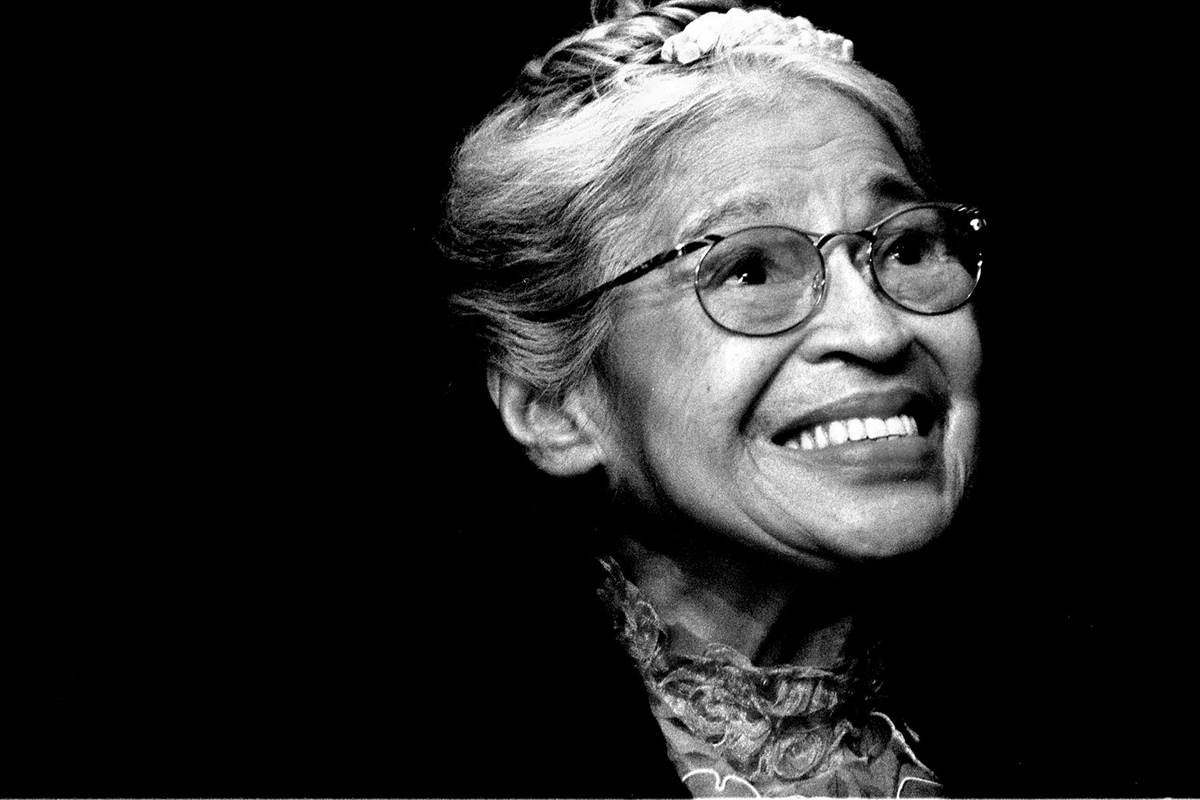
Honoring Rosa Parks: A Push for Federal Recognition
A Historic Moment
Seventy years ago, on December 1, 1955, Rosa Parks took a courageous stand against racial segregation by refusing to give up her seat on a Montgomery bus. This act of defiance led to her arrest and ignited the Montgomery Bus Boycott, becoming a pivotal event in the American Civil Rights Movement. Today, that single act of bravery continues to inspire generations. In a significant move to honor her legacy, Alabama’s first Black Congresswoman, Terri Sewell, is advocating for the establishment of December 1 as a federal holiday: Rosa Parks Day.
Legislation on the Table
Terri Sewell has reintroduced legislation aimed at making Rosa Parks Day America’s first federal holiday to recognize a woman. Joined by Rep. Shomari Figures from Mobile, Sewell’s proposal highlights the importance of acknowledging the profound impact Parks had on civil rights. “Each year, Rosa Parks Day will serve as a reminder of the power of ordinary Americans to achieve extraordinary social change,” she stated in a video statement. This recognition not only honors Parks, but it also serves as an inspiration for the ongoing struggle for equality and justice.
The Significance of the Proposal
Sewell’s efforts come at a time of heightened scrutiny around diversity and inclusion initiatives at the federal level. In the wake of controversial policies by the Trump administration aimed at dismantling such programs, she emphasizes the importance of remembering and celebrating significant figures like Parks. “Her legacy is proud Alabama history—proud American history—and it should always remain that way,” Sewell asserted, reinforcing the idea that Parks was not just a local hero, but a symbol of strength for the nation.
Commemorating a Legacy
On social media, Rep. Figures recently commemorated the 70th anniversary of Parks’ arrest, reflecting on the sacrifices made by civil rights activists. He remarked, “Because of Rosa Parks and the other civil rights fighters who risked their lives for freedom, equality, and justice, America is a more inclusive country for African Americans, and I am able to sit in Congress today.” This statement encapsulates the direct impact that Parks and her contemporaries had on American society.
Challenges Ahead
Despite the strong intent behind the legislation, Sewell’s bill faces an uphill battle in the House of Representatives, where Democrats are in the minority. However, the proposed bill has garnered support, accumulating over 60 cosponsors—all of whom are Democrats. The road to federal recognition is fraught with political challenges, but the movement gains momentum with each new advocate.
State Recognition
While Alabama has made strides to honor Rosa Parks by declaring December 1 as Rosa Parks Day in 2018, it does not yet enjoy full-fledged status as a state holiday. Governor Kay Ivey praised Parks as one of “the strongest our nation has ever known,” underscoring the moral imperative to uphold her courage and inspire others to do what is right.
New Monuments of Valor
In a symbolic act reinforcing her legacy, a statue of Rosa Parks was unveiled on the grounds of the Alabama State Capitol, side-by-side with a statue of Helen Keller. These monuments represent a historic first: the initial statues honoring women on the lawn of the state capitol. This not only signals a commitment to remembering sensitive subjects like women’s contributions to history, but it also emphasizes the need for recognition and representation.
Inspiration for Future Generations
As discussion continues around Sewell’s proposed legislation for a federal holiday dedicated to Rosa Parks, the importance of remembering her story resonates strongly. By recognizing Parks’ contributions, future generations can draw inspiration from her legacy, reminding us all of the essential ongoing struggle for equality and justice in America.