


Tucker on Defense
Context of the Controversy
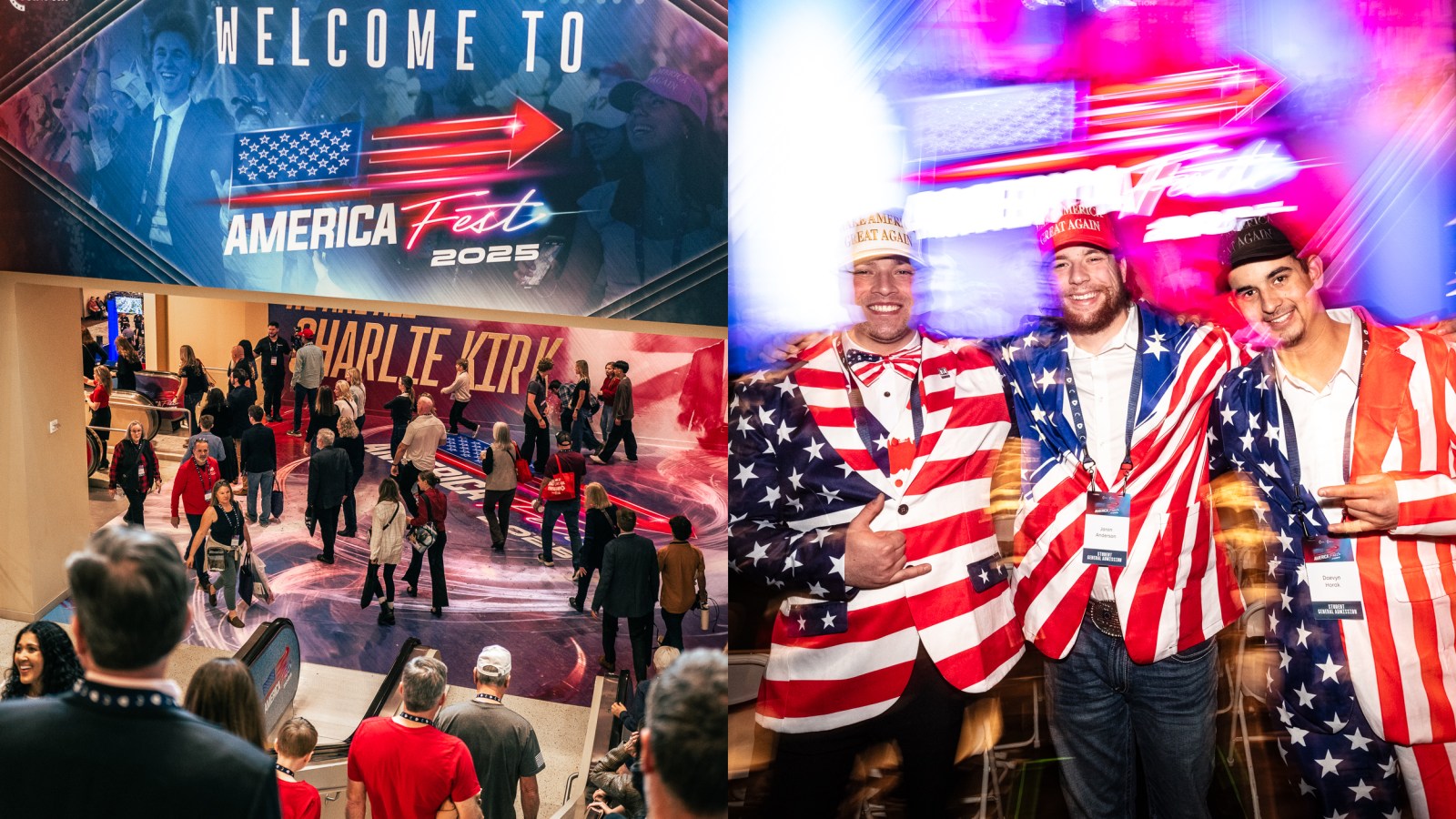
In the current landscape of American political discourse, few figures are as polarizing as Tucker Carlson. His commentary has ignited discussions not only about political ideologies but also about issues of race, religion, and morality. Recently, Carlson faced intense scrutiny over his comments and the implications of his statements regarding antisemitism. His defense, delivered with conviction to a crowd at AmericaFest, sought to clarify his stance amidst growing criticism.
Carlson’s View on Antisemitism
Addressing his audience, Carlson emphatically stated, “Let me just affirm one final time, not only am I not an antisemite, and would say so if I was.” This bold declaration underscores his intent to dispel the notion that he harbors hatred against Jewish people. He framed his argument not merely as a personal denial but as a moral stance, asserting that antisemitism is fundamentally wrong. Carlson connected this belief to his religious convictions, emphasizing that “in my religion, it is immoral to hate people for how they were born.”
The Importance of Personal Accountability
Carlson’s remarks highlight a central theme of personal accountability, which is often a point of discussion in today’s political climate. By placing his motivations in the context of morality and ethical beliefs, he aimed to convey to his audience that his views stem from a deeply held set of principles. This perspective invites his followers to consider the complexities of their own beliefs and the importance of taking a stand against bigotry in all forms.
Public Perception and Response
Despite Carlson’s assertions, public opinion remains sharply divided. Critics argue that his past comments, which have been interpreted as controversial, contribute to a climate where antisemitism can thrive. Supporters, on the other hand, view him as a figure who stands against political correctness, championing free speech. This dichotomy represents broader societal fissures regarding race, identity, and the expression of controversial ideas.
The Role of Media in Shaping Narratives
Tucker Carlson, as a prominent media personality, significantly influences how narratives around such sensitive issues are shaped and discussed. His platform allows him to reach millions, and how he articulates his defenses can impact public understanding of antisemitism and related topics. Media’s role in amplifying or critiquing voices like Carlson’s has implications for societal attitudes towards hate speech, racism, and moral responsibility.
The Broader Implications
Carlson’s defense touches on a broader conversation about the responsibilities of public figures when addressing complex societal issues. The interplay between personal beliefs and public discourse raises crucial questions about the moral imperatives that should guide commentary on sensitive topics. Moreover, it challenges audiences to reflect on their responses to controversial figures and the implications of blind allegiance versus critical engagement with their ideas.
Engaging the Audience
Ultimately, Carlson’s defense at AmericaFest invites individuals—both supporters and critics—to engage thoughtfully with the implications of his statements. Encouraging dialogue around these themes can lead to deeper understanding and perhaps a more nuanced approach to discussions surrounding antisemitism and social morality. As supporters cheer his defiance of mainstream criticism, detractors push back by calling for accountability and deeper reflection on the words and actions of influential figures. This dynamic underscores the continued relevance of such discussions in an increasingly polarized society.