


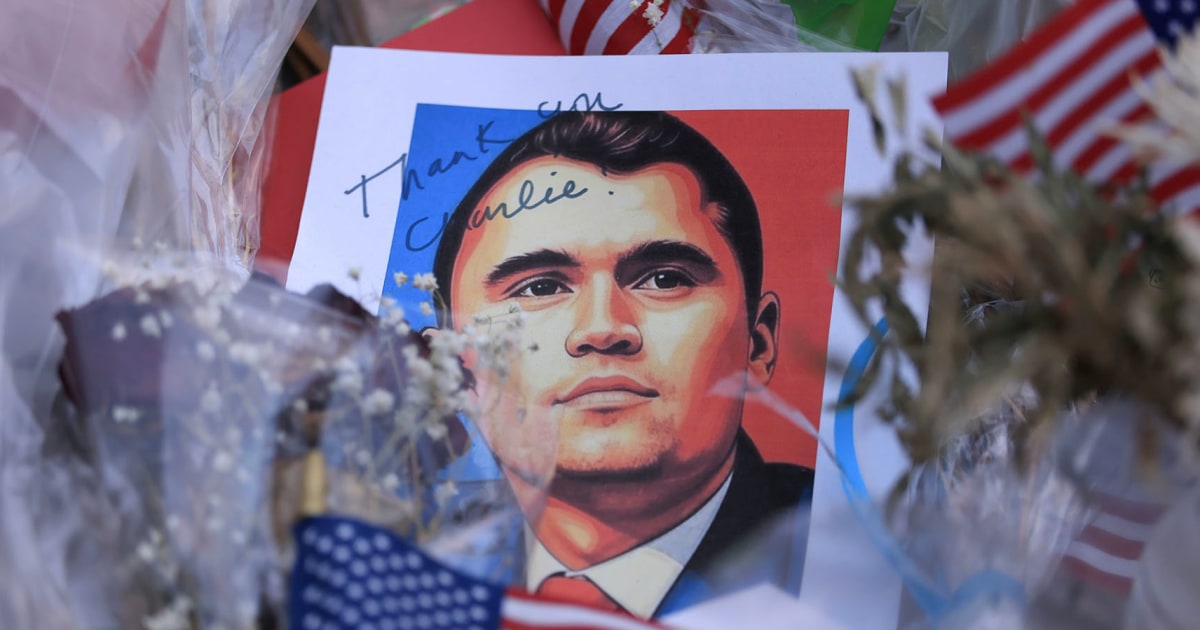
A Divided Congress: The Legacy of Charlie Kirk
Washington — A Controversial Resolution Passed
The House of Representatives recently voted to pass a resolution honoring slain conservative activist Charlie Kirk following his assassination at Utah Valley University. The vote was 310-58, illustrating a clear division within the Democratic Party. While 95 Democrats joined all 215 Republicans in voting yes on the nonbinding resolution, the dissent came solely from Democratic ranks, primarily members of the Congressional Black and Hispanic Caucuses. This significant split underscores the complexities of contemporary political discourse.
The Context of the Resolution
This resolution emerged barely a week after Kirk’s tragic death, where a gunman reportedly targeted him during a public speaking engagement. Kirk was a co-founder of Turning Point USA, an organization renowned for mobilizing youthful support for Donald Trump in the 2024 elections. The alleged shooter faces seven charges, including aggravated murder, amplifying the urgency surrounding discussions of political violence and its implications.
Critiques from Within the Party
While there was unanimous condemnation of Kirk’s murder, some Democrats advocated for a more robust criticism of the resolution itself. Many felt it downplayed Kirk’s controversial statements throughout his career, including disparaging remarks about figures like Martin Luther King Jr. and the Civil Rights Act of 1964. Critics, particularly members of the Congressional Black Caucus, argued that honoring Kirk without fully reconciling his divisive rhetoric poses challenges to the party’s moral stance.
Voices of Dissent
Rep. Frederica Wilson, D-Fla., expressed her dismay over Kirk’s history of derogatory comments directed at Black women, stating, “He insulted so many. This country stands on the shoulders of Black women.” Similarly, Rep. Bennie Thompson, D-Miss., criticized Kirk’s views on diversity and inclusion, noting his offensiveness in questioning the legitimacy of a Black pilot as a “DEI hire.” Such remarks prompted them to vote against honoring Kirk, raising questions about the complexities of political legacy.
A Divided Democratic Response
The differing opinions within the Democratic Party further complicate the narrative around Kirk’s legacy. Figures like Rep. Jamie Raskin of Maryland chose to support the resolution, emphasizing the need for unity against political violence, regardless of the victim’s political affiliations. In contrast, Rep. Ilhan Omar, D-Minn., who has been critical of Kirk, questioned the portrayal of him as a civil debater, remarking that acknowledging his legacy without addressing his divisive rhetoric can be misleading.
An Emotional Week on Capitol Hill
As discussions regarding the resolution unfolded, the atmosphere in the House was charged with emotion. Earlier in the week, a separate GOP resolution to censure Omar for her comments on Kirk narrowly failed. The toll of Kirk’s assassination brought a poignant reminder of the political climate, exacerbated by recent events of violence against public figures.
The Content of the Resolution
The five-page resolution, sponsored by Speaker Mike Johnson, R-La., praised Kirk as a “courageous American patriot” who engaged in civil discourse nationwide. It condemned political violence and offered condolences to Kirk’s family while calling upon all political leaders and citizens to unite against such acts. The emphasis on respectful dialogue and refusal to compromise on convictions reflected a delicate balancing act, trying to honor a life cut short while acknowledging the broader societal implications of Kirk’s views.
Leadership Dynamics
As the resolution was presented in a closed-door caucus meeting, Minority Leader Hakeem Jeffries, D-N.Y., indicated that while he and his leadership team would vote yes, individual members were encouraged to vote their conscience. This approach highlighted the intricate, multifaceted nature of the debate, as party leaders grappled with the implications of supporting a resolution acknowledging a contested figure.
Broader Implications
The resolution engulfed not just Kirk’s controversial legacy but also highlighted the pervasive issue of political violence in America. It called for a collective commitment to civil debate and respect for differences, urging citizens from all backgrounds to join in this pursuit. Kirk’s funeral, planned for Sunday in Arizona, is expected to draw significant attention from major Republican figures, further entrenching the narrative surrounding his impact and legacy.
Final Thoughts
In an address honoring Kirk, Speaker Johnson highlighted the activist’s approach to engagement as one not motivated by hatred but by a passion for debate and understanding. This perspective adds yet another layer to the ongoing discussion about how political personalities are remembered, particularly in highly polarized environments. The resonance of these events continues to shape the conversations among lawmakers and citizens alike as America navigates the tumultuous landscape of political engagement.