


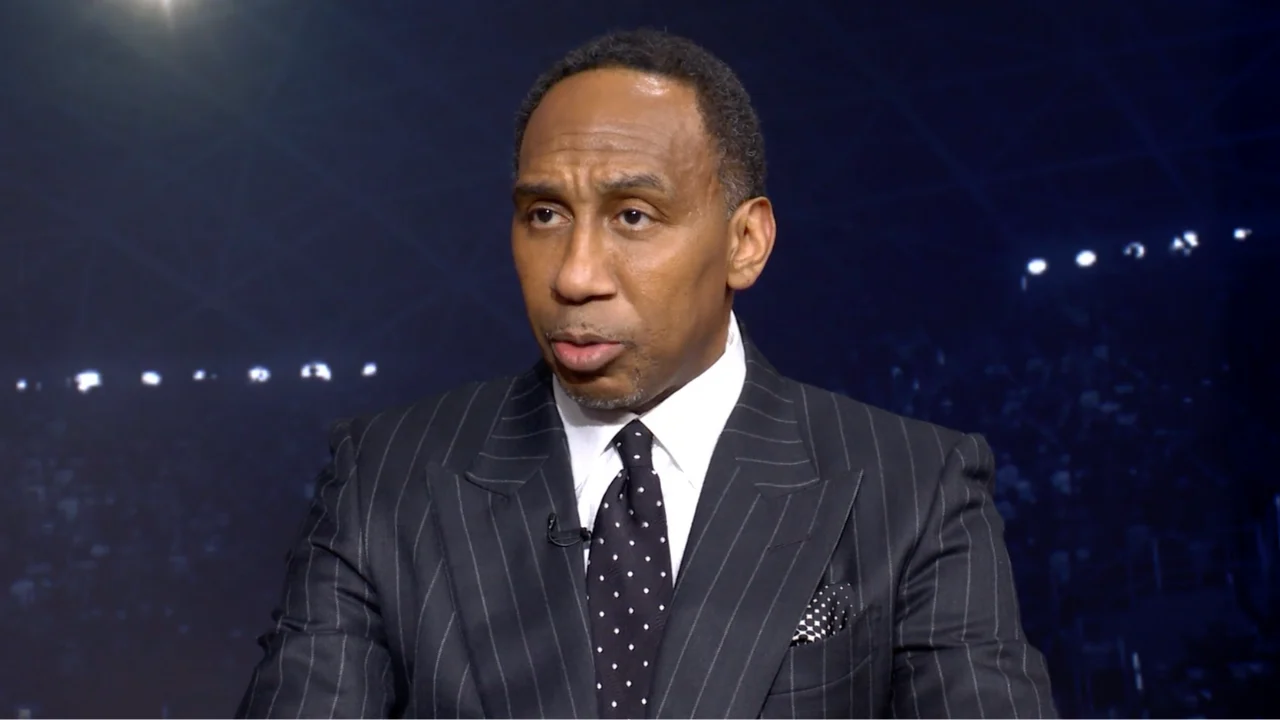
Stephen A. Smith: Considering a 2028 Presidential Run
In a surprising turn of events, ESPN sportscaster and political commentator Stephen A. Smith has publicly entertained the idea of running for president in 2028. In an exclusive interview snippet with ABC News Live Prime host Linsey Davis, Smith revealed that the notion of entering the political arena is something he’s giving serious consideration, thanks to encouragement from influential figures in his life.
Serious Considerations
During the interview, Smith articulated the gravity of the conversations he’s been having with “very, very serious people” about a potential bid for the White House. While he professed that he enjoys his role in sports broadcasting and doesn’t necessarily aspire to be a politician, the calls from his community have compelled him to reflect on the possibilities that a run for office could present. “With tremendous power comes tremendous responsibility,” he stated, emphasizing that he feels a duty to engage in the issues affecting the nation.
Smith elaborated, “If you’re talking to me about the possibility of me being the President of the United States, where people are tapping me on the shoulder saying they believe I have a legitimate shot, I would be remiss to ignore that.” This introspection seems to have awakened a sense of duty within him, grounded in the frustrations he sees on Capitol Hill.
A Long Way to Go
Despite the enthusiasm for a potential campaign, Smith is conscious that the 2028 election is still several years away—an important detail he readily acknowledged. He stated, “Any 2028 presidential campaign would not happen until 2027 at the earliest,” suggesting that while he is open to the idea, there remain important decisions to be made in the interim. Yet, what stands out is his openness to exploring this path: “I’m not ruling anything out,” he quipped.
The Desire for a Debate
Smith’s interest in a presidential campaign is not simply about holding a title; it’s about challenging the political status quo. He expressed eagerness to take on traditional politicians in debates, calling out their actions and holding them accountable for the perceived harm they’ve inflicted on the country. “I would love to debate these politicians,” he asserted, signaling a desire for direct engagement rather than political politicking.
Past Controversies
The discussion doesn’t stop with political aspirations. During the interview, Smith also addressed criticisms aimed at his previous comments regarding prominent Black women in politics, such as U.S. Rep. Jasmine Crockett. In the past, Smith faced backlash for remarks that left some feeling he contributed negatively to a politicized environment that included derogatory comments from then-President Donald Trump.
Regardless of the backlash, he stood firm in his viewpoints about the political tactics employed by some leaders. He noted that he had personally apologized to Crockett for any distress his words might have caused but still maintained that name-calling and confrontational rhetoric do little to serve constituents effectively.
Addressing Criticism from Peers
Further complicating his public image, Smith has also called out fellow journalists for their critique of him, notably Joy Reid, who expressed discontent over his opinions on Black women in politics. In a pointed discussion, Smith clarified, “I don’t know this woman. I’ve met her once.” His reflections included a focus on accountability, especially within the Black community, suggesting that the realities of ratings and performance in media should not be a surprise.
Impact on Public Discourse
As he navigates the landscape of political commentary and sports broadcasting, Smith’s potential foray into politics may alter the dialogue around important issues. His visibility as a cultural figure means his words hold weight, affecting conversations around race, gender, and political engagement in America.
In essence, Stephen A. Smith is not just a sportscaster; he is a growing voice in the political conversation, and his evolving stance may well influence the discourse leading up to the next presidential election. Whether or not he formally enters the race, his reflections challenge traditional roles in both media and politics, keeping political engagement at the forefront of public consciousness.