


A Deadly Explosion in Maiduguri: A Closer Look
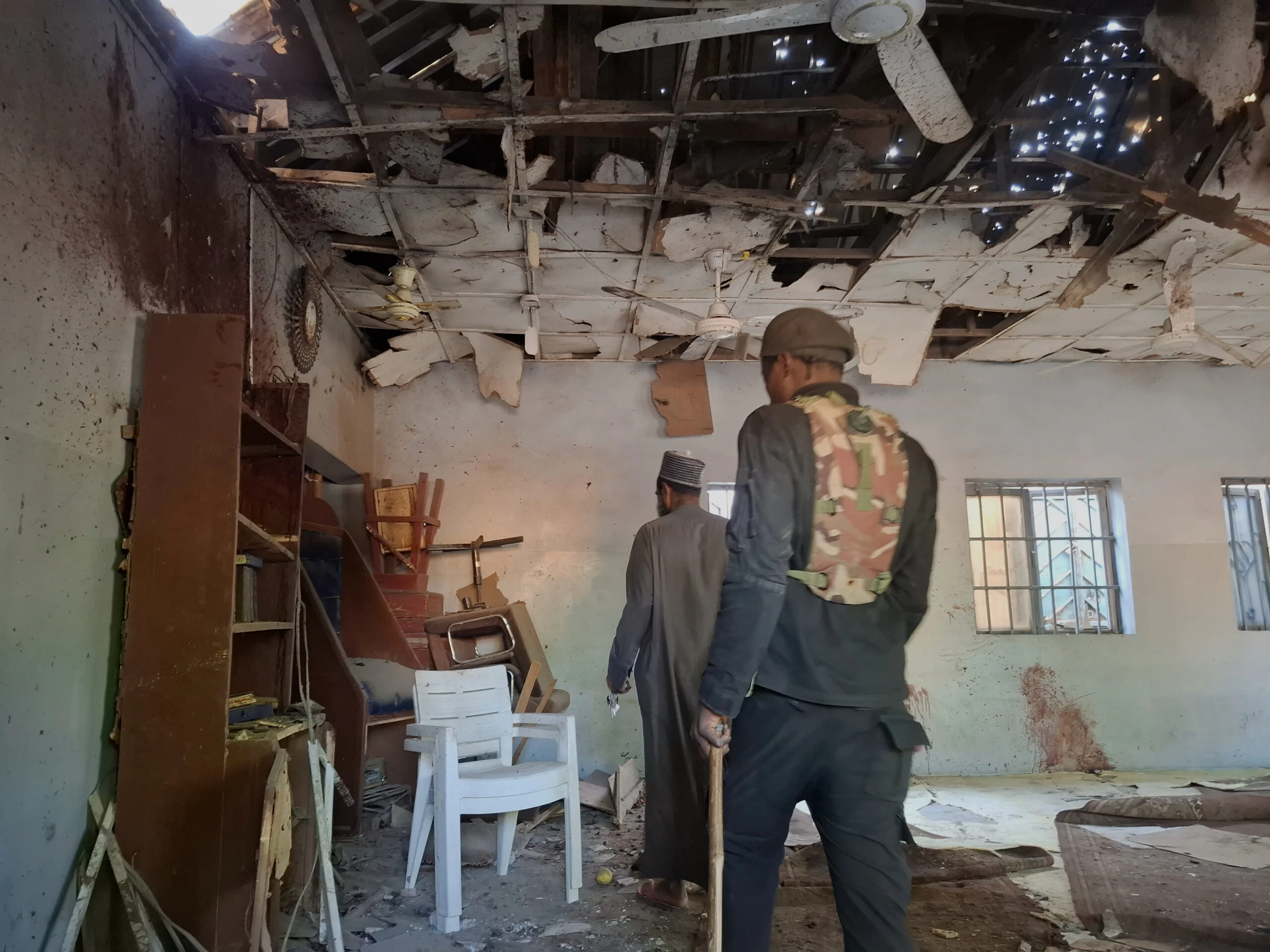
On a recent Wednesday night in Maiduguri, Nigeria, tragedy struck during what should have been a time of peace and reflection. A bomb exploded at a mosque during evening prayers, resulting in the deaths of five individuals and injuring 35 others. The grim incident highlights the ongoing insecurity troubling Nigeria’s northeastern region, a landscape marred by violence and instability.
The Attack and Immediate Aftermath
The bomb blast reverberated through the mosque, shattering the sanctity of a space meant for worship. Nahum Daso, a spokesperson for the Borno State Police Command, confirmed that authorities discovered fragments of a suspected suicide vest at the scene. This detail has fueled suspicions that the attack was a suicide bombing, a gruesome tactic often associated with militants in the region.
While exact details are still emerging, the rapid response of emergency services underscored the chaos that followed the explosion. Survivors and bystanders rushed to assist the injured, their actions reflecting the community’s resilience amidst recurring violence.
The Wider Context of Violence in Northeastern Nigeria
This bombing is not an isolated incident but rather part of a continuing wave of attacks that have plagued northeastern Nigeria for over a decade. Since 2009, the country has grappled with the violent insurgency led predominantly by Boko Haram and its offshoot, the Islamic State West Africa Province (ISWAP). The United Nations estimates that thousands have lost their lives in these conflicts while millions have been displaced from their homes, creating a humanitarian crisis of staggering proportions.
The region has become synonymous with instability, resulting in shattered communities and a perpetual state of fear. As local populations struggle with the aftermath of such violence, they also navigate the complex geopolitical landscape influenced by a myriad of armed groups.
The Role of Boko Haram and Its Tactics
No group has yet claimed responsibility for the recent attack, but the tactics have led analysts to closely observe Boko Haram’s potential involvement. Historically, this militant group has relied heavily on suicide bombings to instill fear and chaos. Although analysts have noted a decrease in the frequency of these attacks in recent years, they caution that Boko Haram has not lost the capability to execute such devastating operations.
In July 2024, another significant incident highlighted the lingering threat of suicide bombings when a triple suicide attack targeted a wedding ceremony in Borno. This event renewed concerns about the resurgence of such brutal methods employed by Boko Haram, demonstrating that while tactical shifts may occur, the threat level remains high.
The Human Cost of Insurgency
The repercussions of these attacks extend beyond immediate casualties; they weave into the larger fabric of societal trauma. Families are left shattered, communities disrupted, and entire regions lose their sense of safety. The impact is particularly pronounced among vulnerable populations, such as women and children, who often bear the brunt of the conflict through displacement and loss.
As the violence persists, the international community watches with concern. Calls for aid and support for affected areas echo through humanitarian platforms, emphasizing the vital need for comprehensive solutions addressing both immediate relief and long-term stability.
Conclusion
The recent bombing in Maiduguri is a somber reminder of the ongoing struggle against violent extremism in Nigeria. As the nation grapples with the remnants of fear and the quest for peace, the resilience of its people shines through the darkness. Each incident, each life lost, echoes in the hearts of many, calling for solidarity and action in the face of adversity. The future remains uncertain, but the spirit of the community continues to stand firm against the tides of violence.