


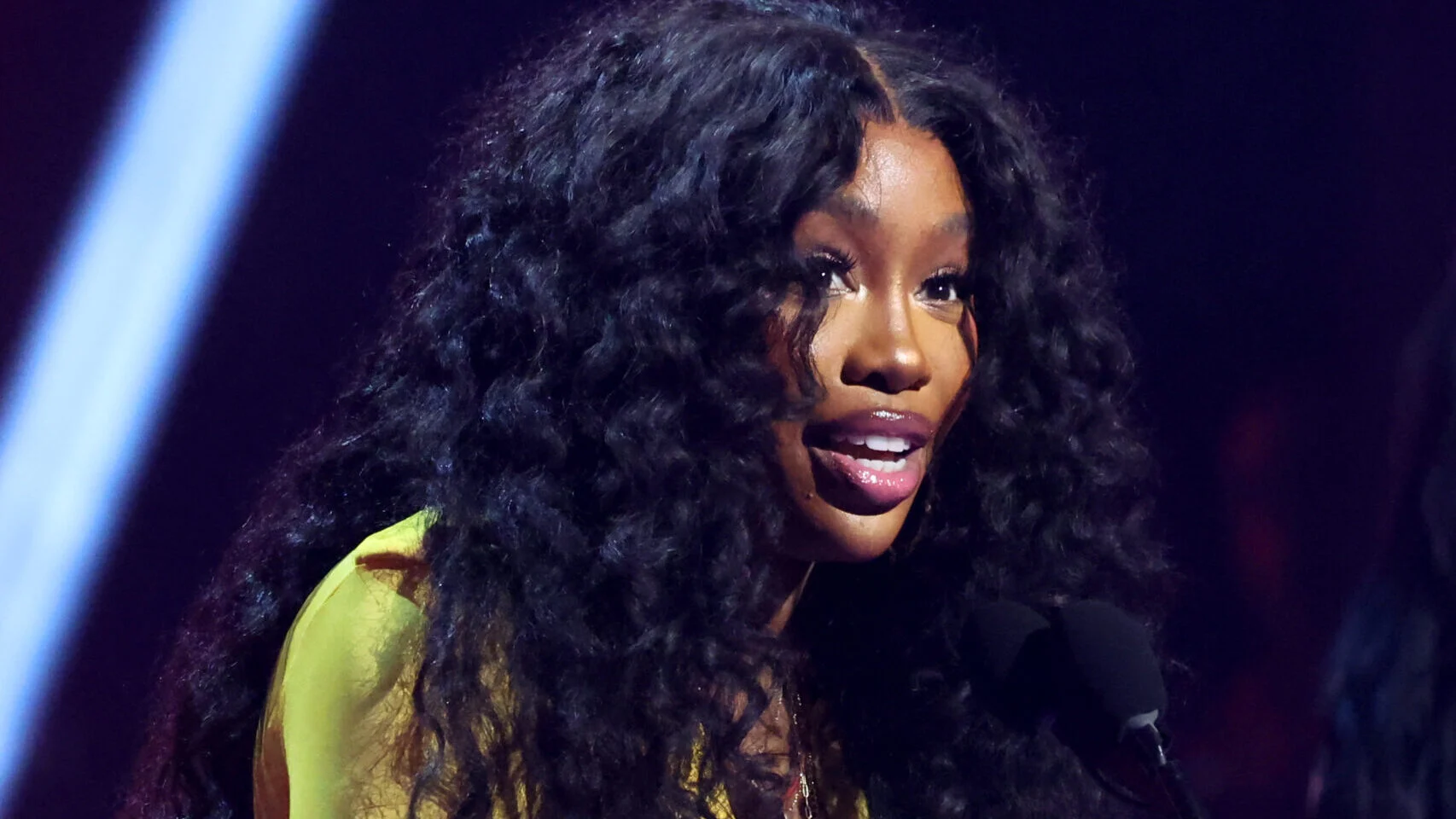
SZA vs. The White House: A Clash of Messages on Social Media
In a striking example of the tension between artists and political institutions, SZA has recently found herself at the center of a media storm following a controversial post from the White House’s official social media accounts. The incident sheds light on broader issues of representation, artistic integrity, and the commodification of culture in political discourse.
The Incident
On December 10, 2025, the White House shared a clip featuring SZA’s “Big Boys,” a comedic skit-song from her appearance on Saturday Night Live. The audio was paired with footage of ICE agents enforcing immigration laws, accompanied by the caption: “WE HEARD IT’S CUFFING SZN. Bad news for criminal illegal aliens. Great news for America.” The juxtaposition of SZA’s lighthearted song and the serious tone of the immigration issue appeared incongruous at best, triggering a public backlash.
SZA, known for her candid and authentic approach to music, did not hold back in her response. She described the White House’s actions as a form of “rage baiting”—tactics designed to provoke outrage and generate attention—saying it was “PEAK DARK.. inhumanity + shock and awe tactics … Evil n Boring.” Her critique resonated across social media platforms, fueling conversations about artistic ownership and the ethical responsibilities of power.
The Context of the Controversy
This is not an isolated incident. The Biden administration’s use of music from artists who do not endorse their messaging has been a contentious trend. Just prior to SZA’s outcry, singer Sabrina Carpenter condemned the use of her song “Juno” in a similar ICE-themed promotion, calling it “evil and disgusting,” prompting the White House to remove the post. This pattern raises questions about how artists’ works are utilized in public spheres, particularly when they stand in stark contrast to the artists’ values.
White House spokesperson Abigail Jackson responded to SZA’s criticism not by addressing her concerns but instead by redirecting the conversation to praise ICE’s enforcement activities. This tactic, while attempting to bolster the White House’s messaging, further exacerbated the disconnection between the administration and the artists involved.
The Bigger Picture: A Misalignment of Interests
The use of popular music in political messaging can pivot dangerously close to exploitation, particularly when artists have aligned themselves distinctly away from the messaging of those in power. This dynamic creates an uncomfortable space where artists are unwittingly thrust into political narratives that may contradict their beliefs and values.
Recent months have shown a troubling trend: songs from artists like Olivia Rodrigo and Usher have been invoked in promotional materials, only to be rescinded following public outcry or direct complaints from the artists’ representatives. The use of the iconic Beyoncé track “Freedom” without her authorization during Trump’s 2024 campaign remains another glaring example of this trend, highlighting a recurring pattern of disregarding artist consent.
Artists vs. Administration: Cultural Conversations
What’s particularly striking about these incidents is the stark contrast between the administration’s musical choices and the political messages they seem to want to propagate. While mainstream artists like Nicki Minaj have openly supported Republican figures, leveraging their platform to align with specific political agendas, many others feel that their art is being used against their will.
This creates an environment ripe for controversy and highlights the need for clearer boundaries regarding how art is integrated into political discourse. As artists like SZA speak out, they not only defend their own work but also pave the way for a larger conversation about the ethics of music in media and politics.
Social Media as a Platform for Resistance
SZA’s vocal resistance reflects a broader cultural movement where artists are leveraging their social media platforms to reclaim their narratives and contest the usage of their work. By calling out the White House, SZA not only defends her artistic integrity but also stands in solidarity with other artists facing similar challenges.
In a world where digital platforms serve as both promotional tools and arenas for dissent, the ability for artists to voice their opinions has never been more critical. This ongoing dialogue not only helps shape public perception but also influences how future political campaigns may engage with culture and the arts.
Through incidents like these, the conversation is pushed forward, forcing a reconsideration of the relationship between art, politics, and the media that amplifies both.