


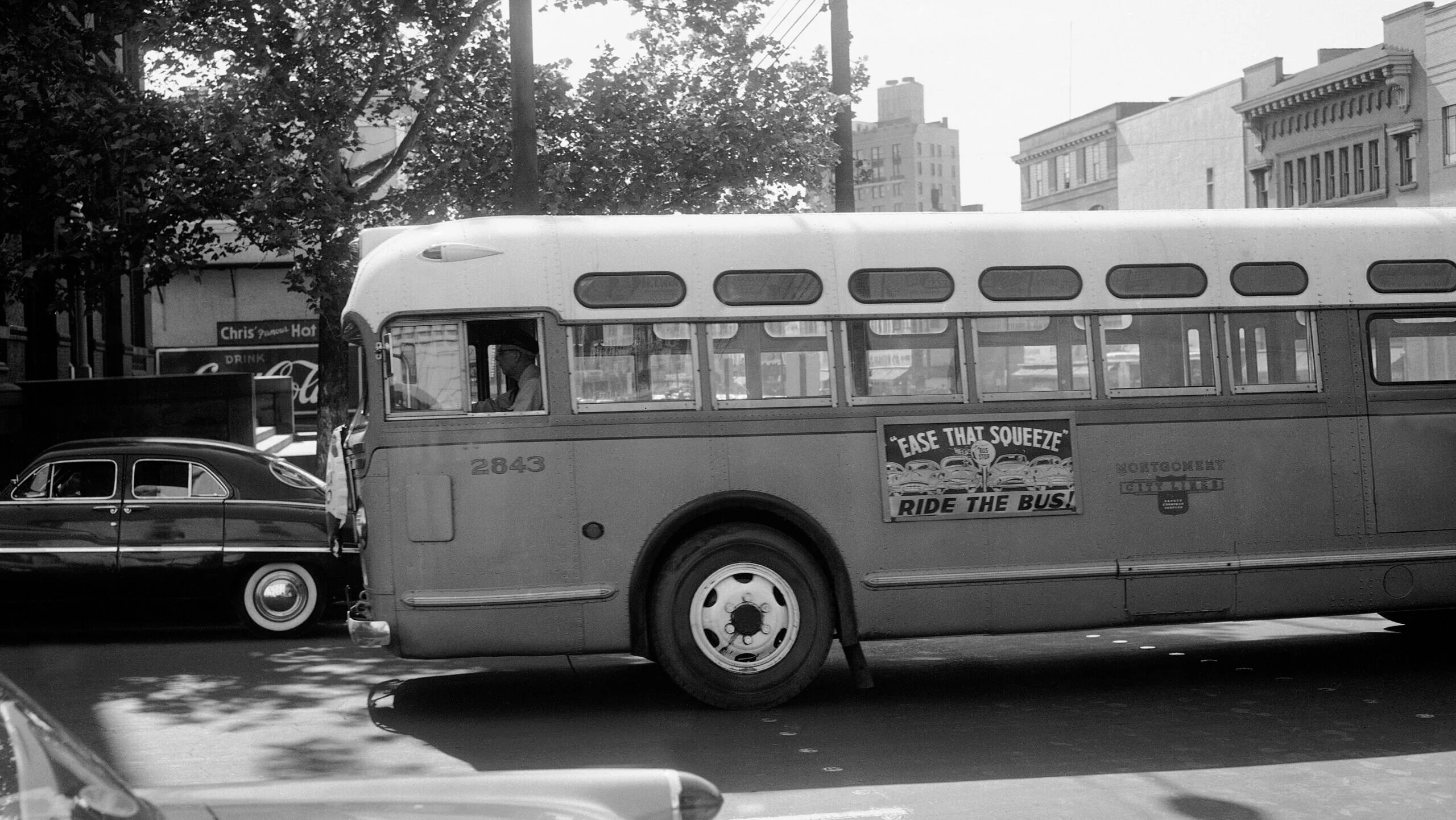
A Journey Through History: The Legacy of the Montgomery Bus Boycott
Doris Crenshaw, just 12 years old on December 5, 1955, became a key figure in a pivotal moment of American history. Alongside her sister, she rushed from door to door in their Montgomery, Alabama neighborhood, handing out flyers promoting a boycott of the city’s buses. “Don’t ride the bus to work, to town, to school, or any place on Monday,” the flyers proclaimed, urging the community to attend a mass meeting that night. The urgency of their task was palpable; the previous week had seen Rosa Parks, secretary of the local NAACP chapter, arrested for refusing to relinquish her seat to a white passenger on a segregated bus.
The Spark of Activism
The Montgomery Bus Boycott, ignited by Parks’ defiance, lasted an astonishing 381 days, prompting roughly 40,000 Black residents to stay off city buses. Instead, they walked, formed carpools, or relied on Black-owned taxis. “There was a groundswell of a need to do something about what was going on in the buses, because a lot of people were arrested,” Crenshaw, now 82, recalled. This boycott was more than just a transportation issue; it represented a broader call for equality and justice, marking the inception of the modern Civil Rights Movement.
An Anniversary of Change
This year marks the 70th anniversary of the Montgomery Bus Boycott, and descendants of key figures are set to reunite in Montgomery to reflect on this monumental event. It serves as a reminder of the power of nonviolent protest and economic pressure—strategies that remain relevant in contemporary activism. Recently, national organizers urged people to forgo Black Friday and Cyber Monday sales in a protest against major corporations like Target and Amazon, challenging their diversity initiatives and political affiliations.
The Roots of the Boycott
The events leading up to the boycott were not sudden developments; they emerged from discussions within activist circles in Montgomery. Parks’ arrest was the final straw in a long-standing struggle against oppressive bus segregation policies. Black passengers were relegated to the back of the bus and were expected to yield their seats if the white section became crowded. Parks herself clarified in her autobiography that her stance was not simply an act of exhaustion from work but a profound declaration: “No, the only tired I was, was tired of giving in.”
Community Resilience
The commitment from the community during the boycott was extraordinary. “We walked, and we kept walking,” Crenshaw remembered, recounting her daily treks to school. With remarkable discipline, the community upheld the boycott for over a year until the legal landscape shifted against segregation laws.
Crenshaw’s involvement in the civil rights movement did not end with the boycott. She later became a southern field representative for the National Council of Negro Women, served on President Jimmy Carter’s domestic policy team, and founded The Southern Youth Leadership Development Institute. Her efforts continue to inspire young leaders, much like Parks had inspired her.
Boycotting Today: A Legacy of Activism
Today’s boycotts, while different in format, echo the Montgomery actions in their goals. Deborah Scott, CEO of Georgia Stand-Up, connects past strategies to present methods of social and economic justice activism. “Everything is about relationships,” Scott emphasized, highlighting how modern boycotts leverage consumer purchasing power to effect change.
Young activists are encouraged to think critically about where they spend their money and the impact of those choices. Madison Pugh, still only 13, mirrors the spirit of Crenshaw. The eighth grader decided to stop shopping at Target after it announced plans to reduce its diversity initiatives. For her, and many her age, the lessons of the past are not just historical footnotes; they are a call to action.
Bridging Generations of Activism
Pugh’s reflections reveal the emotional weight of history. “It’s saddening to the heart to know that a whole group of people weren’t allowed to go somewhere and have an education or be treated as humans because they were a different skin color,” she stated. The realization of ongoing systemic issues makes the fight for justice feel perpetual, reinforcing the notion that the Civil Rights Movement is not merely a historical event—it continues in various forms today.
In this interconnected web of activism, new generations learn from elders like Crenshaw and Scott, who created pathways for social change. They remind us that while the methods may evolve, the underlying principles of unity and resilience remain steadfast. The efforts of those who walked the streets of Montgomery in the 1950s are echoed in modern movements, emphasizing that the struggle for equity is far from over.