


The Landscape of Solar Geoengineering in Africa
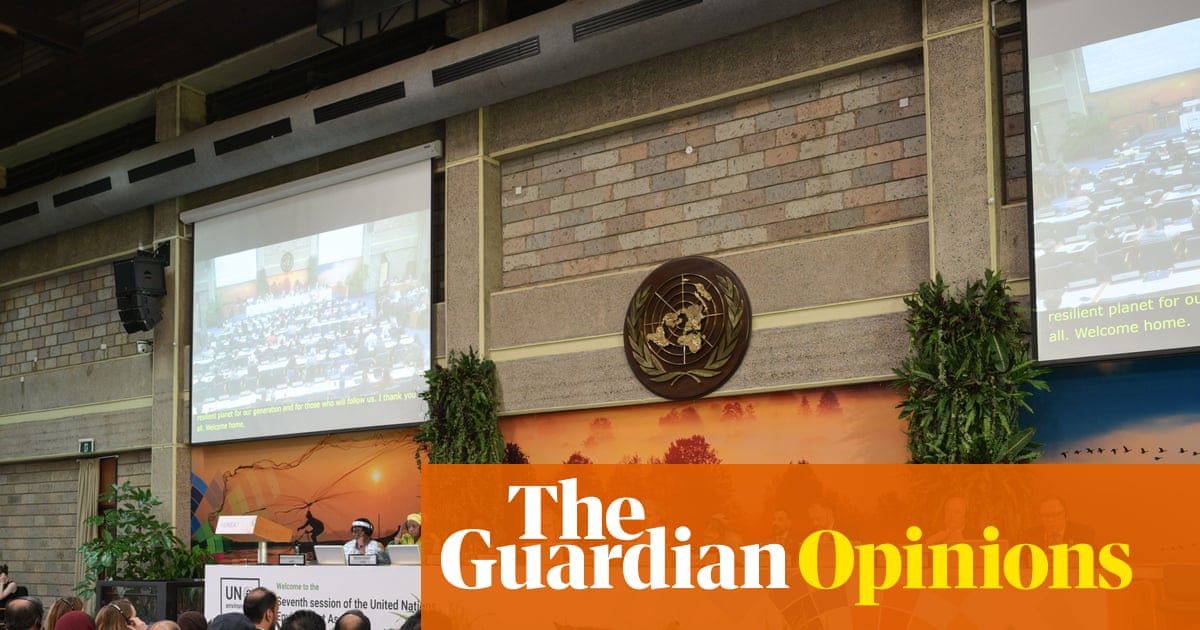
This week’s UN environment talks in Nairobi present a pivotal moment for Africa as it continues to shape the global climate dialogue. At the heart of the discussions is a contentious topic: solar geoengineering, a strategy that proposes to dim the sun’s rays to cool the planet. Although not formally on the summit agenda, African diplomats are passionately advocating against this technology, arguing that it poses more risks than solutions.
Concerns Over Testing Grounds
One of Africa’s primary objections to solar geoengineering is the fear that the continent could become a testing ground for unproven technologies. As many nations scramble to address climate change, the idea of spraying particles into the upper atmosphere has gained traction, ostensibly to achieve some cooling effect. African nations, however, emphasize the ethical, environmental, and geopolitical ramifications. They argue that pursuing such practices could lead to dire consequences without adequately addressing the root causes of climate change.
The Call for a Non-Use Agreement
In response, African leaders are advocating for a global “non-use” agreement that would prohibit public funding, outdoor experiments, and explicit promotion of solar geoengineering technologies. The rationale behind this stance is clear: while these technologies might offer short-term relief, they do not address greenhouse gas emissions, which are at the heart of the climate crisis. Moreover, they carry significant risks, including altered rainfall patterns that could deeply affect food security across the continent.
The Risk of Termination Shock
One of the most alarming potential side effects of solar geoengineering is the phenomenon known as “termination shock.” If the techniques were abruptly halted, scientists warn of a sudden spike in temperatures, exacerbating the very crises they aim to alleviate. This risk underscores the importance of a cautious approach. Indeed, African nations successfully pressured for the withdrawal of a Swiss-backed resolution on solar radiation modification at last year’s UN talks, showcasing their solidarity against these risks.
The Business of Geoengineering
Despite the strong opposition from African nations, an industry focused on solar geoengineering is beginning to gain momentum. For instance, a US-Israeli firm is reportedly developing spraying systems to offer “cooling services” to governments. In contrast, some nations have already pushed back. Mexico implemented a ban on solar geoengineering experiments following an unauthorized test over its airspace, emphasizing a growing demand for regulatory oversight.
Academic Warnings and Political Implications
Academics have issued stark warnings about the unregulated push towards solar radiation modification. The UK has recently emerged as a significant backer of such research through its Advanced Research and Invention Agency (Aria), which is funding small-scale field tests. Critics label this move as naive, arguing that it lacks necessary governance and oversight to ensure safety.
The Interplay of Power and Technology
This issue is also deeply entwined with global power dynamics. Research initiatives often attract funding based on the interests of powerful states, including the United States, which has prioritized energy dominance as a cornerstone of its economic strategy. Solar geoengineering presents a way to manage temperature risks without contending directly with the fossil fuel economy, appealing to both governmental and corporate interests.
Echoes of Past Precedents
The African proposal for a non-use agreement draws from historical precedents such as the bans on landmines and chemical weapons, recognizing that certain technologies can drastically alter power dynamics and create unmanageable risks. It emphasizes that the decisions regarding such profound technologies cannot be left to a select few but should be collectively governed.
Focus on Sustainable Alternatives
Proponents of Africa’s stance argue that rejecting solar geoengineering does not confuse climate action; rather, it clarifies the focus on more effective strategies. By prioritizing the reduction of fossil fuel dependency, investing in renewable energy sources, and enhancing adaptation efforts, nations can address the climate crisis more holistically.
African countries are calling on the global community to listen seriously to their concerns and prioritize collaborative solutions that genuinely address climate change, steering clear of risky technological shortcuts.