


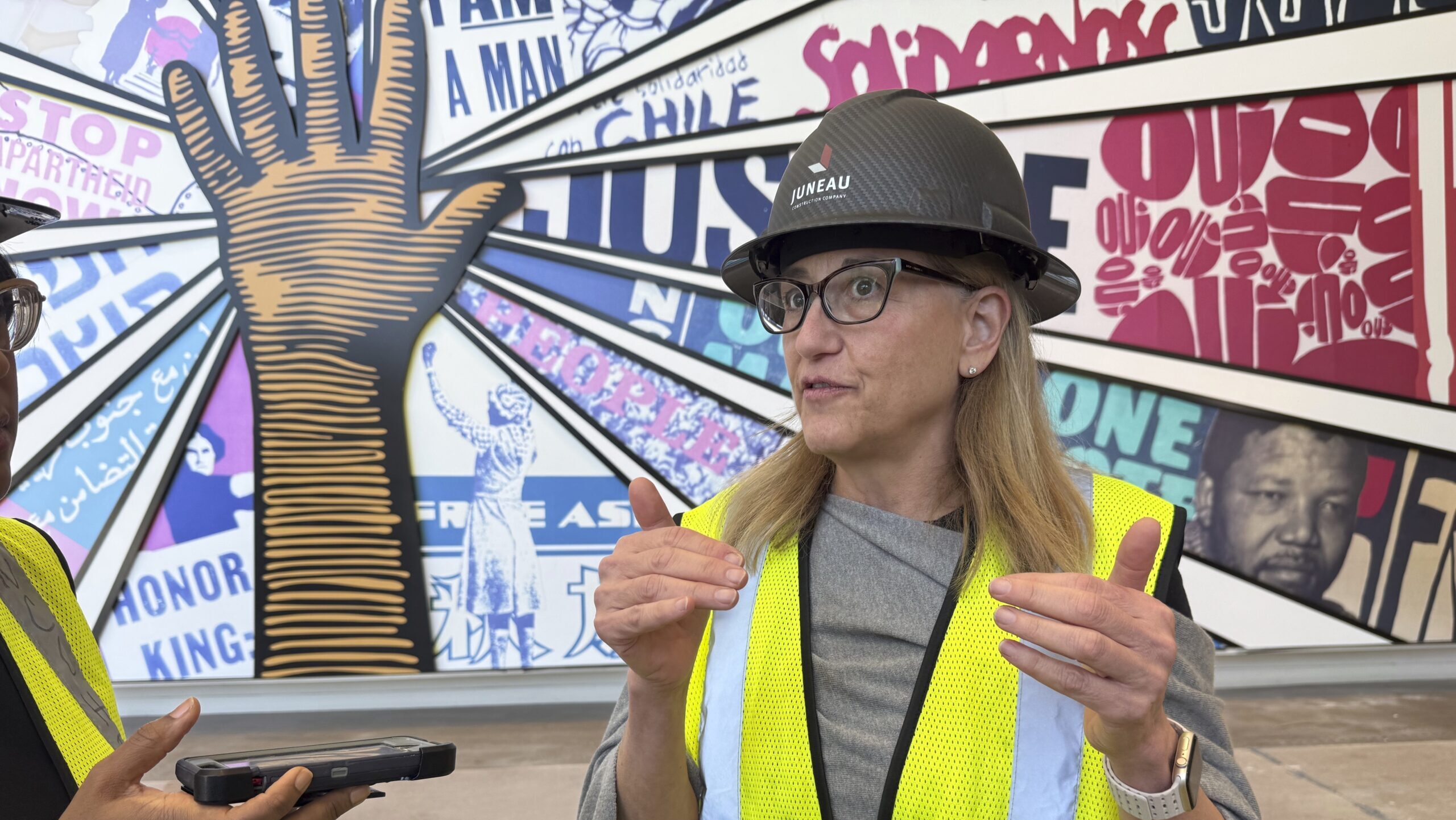
The National Center for Civil and Human Rights in Atlanta stands at an exciting and pivotal moment in the ongoing narrative of social justice. As it embarks on a monthslong renovation valued at nearly $60 million, the center aims not just to expand physically but to deepen its impact as a dynamic hub for civil and human rights education. With the backdrop of current political tensions surrounding historical education, this privately funded center is uniquely positioned to support ongoing conversations about rights and democracy absent the constraints that other institutions might face.
At the heart of this expansion are six new galleries, classrooms, and immersive experiences designed to transform the center from a relatively static museum into a proactive platform encouraging visitors to engage with and advocate for civil rights. Jill Savitt, the center’s president and CEO, emphasizes that the goal is to inspire individuals to take meaningful action around issues of racial justice and democratic participation. As the center prepares for its reopening on November 8, it has not been idle; it continues to offer K-12 education programs and various initiatives aimed at raising awareness and understanding of systemic injustices.
Inspiring Children to Become ‘Change Agents’
The vision for the center was conceived by civil rights leaders Evelyn Lowery and Andrew Young when it first opened in 2014. Situated adjacent to the Georgia Aquarium and The World of Coca-Cola, it quickly captured the attention of both locals and tourists alike. However, like many cultural institutions, it faced a decline in ticket sales due to the pandemic. To revitalize interest, the center is introducing innovative programs like the “Change Agent Adventure,” targeted at children under 12. This initiative encourages young visitors to pledge towards small acts of kindness and justice, fostering a sense of agency and responsibility.
“I think advocacy and change-making is kind of addictive. It’s contagious,” Savitt explains. This approach actively counters the narrative that young people are incapable of processing difficult truths. Instead, it emphasizes how engaging with history—especially inspirational stories of activism—can empower the next generation. Savitt firmly believes that the center’s mission promotes a version of American history that invites pride and responsibility.
Encouraging Visitors to Be Hopeful
The upcoming exhibition “Broken Promises,” set to launch in December, will delve into the fraught dynamics of progress and backlash in American history, particularly focusing on the Reconstruction era and its aftermath. Curator Kama Pierce aims to orient visitors toward a more nuanced understanding of historical patterns. One standout feature will be a Georgia historical marker from the site of the 1918 lynching of Mary Turner, its bullet-riddled state serving as a poignant reminder of the struggle for justice.
A section dedicated to the legacy of Martin Luther King Jr. will recreate his home office, showcasing family photographs contributed by his daughter, the Rev. Bernice King. This personal touch seeks to humanize King, moving beyond the iconic image to depict him as a man shaped by the same issues facing today’s activists. As Savitt notes, the emphasis will shift away from notorious figures of oppression towards uplifting stories of successful human rights movements.
Understanding how people react to information about injustice is crucial. Research suggests that presenting dire situations without offering hopeful solutions can foster apathy among audiences. Savitt emphasizes that by highlighting positive outcomes and grassroots activism, the center aims to cultivate agency among its visitors, inspiring them to envision a world in which they can make a difference.
Fostering a Healthy Democracy
The interactive experiences at the center aim to leave a lasting impression on visitors. One feature simulates a 1960s sit-in against segregation, immersing participants in an environment where they can hear the hostile voices of a segregationist crowd. Considerations for the emotional weight of such experiences include a designated “reflection area,” equipped with soothing comforts for visitors needing a moment to digest the gravity of what they’ve encountered.
The financial backing for this ambitious expansion comes from a network of generous donors, including Arthur M. Blank, co-founder of Home Depot, and the Mellon Foundation. These supporters recognize the urgent need for comprehensive civil education as a vital component of a thriving democracy. Savitt highlights that a healthy democracy relies on informed citizens who understand their rights and responsibilities, reinforcing the importance of the center’s work.
The National Center for Civil and Human Rights promises not only to be a repository of history but also an active participant in shaping the narratives around civil rights and democratic values. As it takes steps toward reimagining itself, it invites the public to engage deeply with the complexities of advocacy, agency, and hope, furthering the essential dialogue about who gets to participate in and define democracy.