


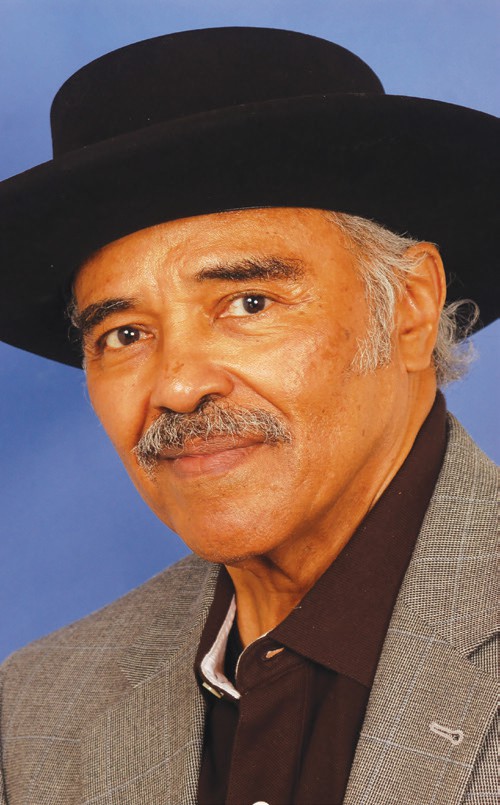

Thomas H. Watkins, born in September 1937 and passing in December 2025, was more than just a publisher; he was a trailblazer in the world of Black print media. As the founder and CEO of the New York Daily Challenge, he created the first daily Black newspaper in New York City, establishing a crucial platform for African-American voices at a time when representation in media was sorely lacking.
Under Watkins’ leadership, the New York Daily Challenge thrived, generating nearly $30 million per year at its peak. The newspaper not only provided jobs to dozens of African-Americans but also offered a voice to a community often marginalized in mainstream media. Situated in the heart of Bedford-Stuyvesant, Brooklyn, the publication became a cornerstone of the local community, addressing issues that mattered most to its readers.
Watkins’ influence extended well beyond just one publication. As an advocate for the power of the Black voice and dollar, he understood the necessity of owning and controlling the narrative surrounding African Americans. Over the decades, he expanded his media empire by founding and acquiring several publications, including the Afro Times, New American, Jersey City Challenge, Paterson-Passaic Challenge, and the Newark Challenge. His work not only elevated the status of Black journalism but also inspired countless others in the field.
In addition to his publishing ventures, Watkins was deeply involved with the National Newspaper Publishing Association, serving as its past president and continuing on its board for many years. His leadership in this organization reflected his commitment to fostering growth and development within Black media outlets across the nation. He worked tirelessly to provide resources and opportunities for aspiring journalists and publishers, ensuring that the next generation would be able to continue his mission.
Beyond the realm of publishing, Watkins was a noted entrepreneur, visionary, and activist. He frequently delivered keynote speeches for international non-profit organizations, including the United Way, and esteemed institutions such as historically Black colleges and universities (HBCUs) like Bethune-Cookman University and Johnson C. Smith University. His presence on these platforms allowed him to advocate not just for media empowerment but also for the financial empowerment of African-Americans as a whole.
Watkins lived and worked in Brooklyn, where he continued his advocacy well into his later years. His impact can be felt not only in the realm of print media but also in the lives of the individuals he inspired and mentored. Through his dedication to uplifting African-American voices in media and beyond, Thomas H. Watkins leaves behind a legacy that is rich in empowerment, advocacy, and innovation.