


The Curious Case of Military Pocket Restrictions
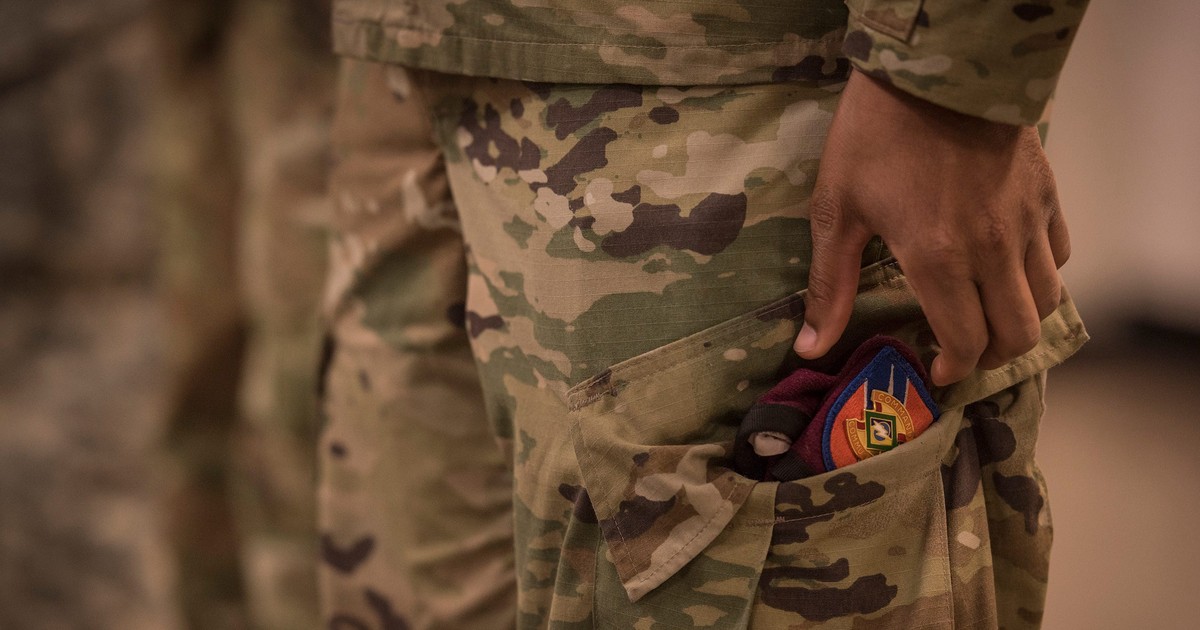
Military life is filled with traditions and regulations, some deeply meaningful and others, at times, seemingly peculiar. One of the more unusual rules across various branches of the armed forces pertains to a seemingly innocuous action: putting hands in pockets. This article explores the origins, variations, and implications of this rule in a lighter, more engaging manner.
Chewing Gum and Sipping Drinks: An Introduction to Strict Regulations
In the military, there are numerous strict codes of conduct ranging from prohibitions against chewing gum to bans on sipping drinks while walking. However, one of the quirkiest mandates is the rule against putting hands in pockets. This restriction stands out for many troop members, especially during colder months when keeping hands warm becomes a challenge.
Branch-Specific Rules and Variability
The enforcement of this pocket prohibition varies significantly between military branches. For instance, the Marine Corps and Army are known for their rigorous upholding of this rule, creating a stark contrast with the more relaxed posture of the Air Force and Navy.
Discipline and Uniformity in the Marine Corps
In the Marine Corps, the no-hands-in-pockets rule is strictly enforced almost all the time, with the Corps stating that it detracts from a soldier’s military presence. The Marine Corps uniform manual emphasizes that this discipline helps maintain a professional appearance. The only exception arises during training outdoors, where “good judgment” dictates if pockets can momentarily be used.
Army Regulations: A Momentary Exception
The Army follows a similar ethos, severely limiting the use of pockets. Soldiers are allowed to place their hands in pockets only momentarily to retrieve or store items. This strict control has led to numerous discussions online, particularly in threads on platforms like Reddit, where soldiers humorously debate the practicality of such a rule.
Navy’s Evolving Standards
In an ironic twist, the Navy, which historically prohibited hands in pockets, lifted this restriction in 2024. Sailors are now allowed to use their pockets as long as it doesn’t interfere with safety protocols or saluting, showing a shift towards modernizing military attire guidelines. Along with this change, sailors were also allowed to bring back an uncommon uniform accessory: the Navy tiara.
The Air Force’s Progressive Stance
Contrasting sharply with its sister branches, the Air Force has embraced more flexibility. Since 2021, airmen have been permitted to put their hands in their pockets, a decision hailed as a broader move towards granting troops the autonomy to maintain standards without micromanagement from superiors. This change reflects a contemporary approach to discipline aligned with personal judgment.
Beyond Pocket Regulations: Other Military Oddities
While the pocket rule is perhaps one of the most talked-about peculiarities, the military is rife with a variety of strange regulations. For example, until 2019, male Marines were prohibited from using umbrellas while in formal service uniforms—it was deemed more masculine to face the elements unshielded. Now, whether adorned in formal or utility uniforms, they can use umbrellas, albeit with a few exceptions.
Grooming Practices and Carrying Rules
In addition to clothing restrictions, military personnel face limitations regarding what items can be carried and how. Some ranks are not allowed to use shoulder straps on gym bags; they must be carried in one hand, especially when dressed in formal attire. Furthermore, troops traveling in uniform are generally allowed to wear their camouflage attire but find formal uniforms restricted for non-official occasions.
Reflective Gear Regulations: A Current Insight
For outdoor exercise, soldiers faced additional requirements like donning reflective neon belts and vests, even during the day. Thankfully, this regulation was reassessed, and by 2015, the Marines had eliminated it, followed by the Army in 2019, allowing soldiers more freedom unless running at night.
Final Thoughts on Military Restrictions
These quirky regulations in the armed forces reflect a historical adherence to discipline and order, but they also invite light-hearted discussions among service members. The ongoing evolution of these rules shows a gradual shift in military culture, balancing tradition with practicality and a more human touch.