


The Impact of Racial Violence on Communities
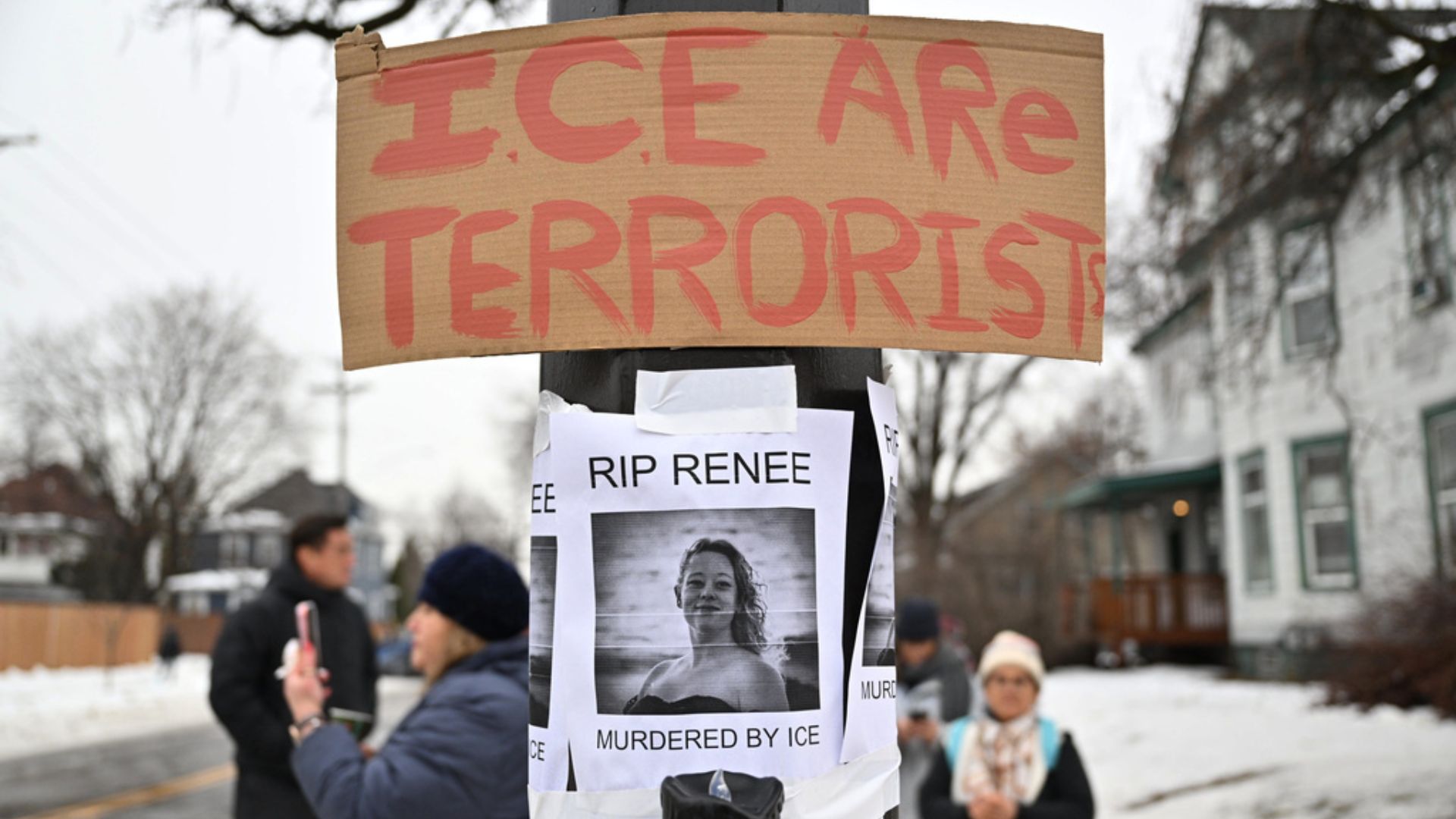
Racial violence remains a persistent issue in America, rooted deeply in a history of systemic racism. Events like the tragic killing of Renee Nicole Good showcase how dire this reality is, especially for marginalized communities. Her story not only reflects the violence experienced by individuals but serves as a stark reminder of the broader implications for society as a whole.
The Event
On January 8, 2026, Renee Nicole Good, an unarmed woman, was shot by a federal agent in Minneapolis while she was allegedly monitoring Immigration and Customs Enforcement (ICE) activities. Subsequent videos capturing the incident reveal a chilling scenario: after shooting Good, the officer simply holstered his weapon and left the scene, an act that many witnesses interpreted as shockingly casual and callous. This incident ignited a myriad of emotions, from anger to disbelief, particularly among communities that have historically faced the brunt of police violence.
Historical Context
The history of racial violence in America has predominantly targeted Black individuals, yet events like Good’s killing illustrate a troubling pattern. When civic leaders express shock over such incidents, it often highlights a disconnect. While some may argue that this isn’t the America they know, many Black Americans recognize it as an all-too-familiar reality—a narrative of violence that perpetuates systemic inequality.
Historically, those who stand in solidarity with marginalized groups have faced violent repercussions. Figures like John Brown, Viola Gregg Liuzzo, and Heather Heyer are emblematic of the risks involved in confronting systems of oppression. Their stories are stark reminders of what it means to advocate for justice in a society often unwilling to change.
The Mechanisms of Violence
The structure of racial violence is not merely a series of isolated incidents; it’s embedded within the system itself. Critics argue that compliance with law enforcement often seems to be the only way to ensure safety. This narrative perpetuates a cycle of racial violence, as the onus often falls on the victim to comply with authority figures’ demands, regardless of the legitimacy of those demands.
The familiar scripts emerge: “If only they had listened,” is a phrase often echoed following tragic deaths of Black individuals at the hands of law enforcement. Such expectations highlight the hypocrisy within the system, where compliance is a privilege not extended to everyone equally.
The Role of Media
The advent of social media has transformed how we witness these events. Graphic footage of killings, including that of Renee Nicole Good, circulate widely, fostering an uneasy mix of awareness and desensitization. While video evidence can compel society to confront its harsh realities, it has also taken a toll on the emotional well-being of those who bear witness, especially within Black communities where such content is often all too familiar.
Aside from cases like Good’s, Black Americans have experienced a decade rife with viral videos depicting state violence against their communities. The emotional burden of continually witnessing these acts can be heavy, fostering a sense of chronic trauma that feeds into a larger narrative of racial oppression.
Community Response
Even amid despair, voices like Dr. Joy DeGruy remind us of resilience and the power of community. She emphasizes the importance of focusing on Black well-being while also extending compassion to others. Her perspective encourages an understanding that solidarity must not be one-dimensional; rather, it can encompass a broader commitment to justice and healing across communities.
DeGruy frames love and mutual support as antidotes to the pervasive violence, underscoring that healing starts at home but shouldn’t exclude the support of others. This human-centered approach offers a nuanced pathway forward, advocating for community wellness as a form of resistance.
The Need for Accountability
Mayor Brandon Johnson’s assertion to hold onto our humanity during tumultuous times resonates deeply within communities affected by violence. His words serve as a call to action, reminding us not to lose sight of our shared humanity, even when faced with systemic brutality. The community calls for accountability echo loudly; these tragic events reinforce the need for societal reckoning and reform.
In the face of ongoing violence, the dialogue surrounding accountability for such actions becomes crucial. It is vital for communities to push for legal and systemic changes to prevent the repetition of such tragedies.
Conclusion
The narrative surrounding racial violence in America continues to evolve, yet the fundamental issues remain. Understanding the gravity of Renee Nicole Good’s killing and similar events is pivotal in fostering a deeper awareness of systemic injustice. It demands continuous dialogue about race, justice, and humanity, urging all of us to rise above complacency in seeking a more just society.