


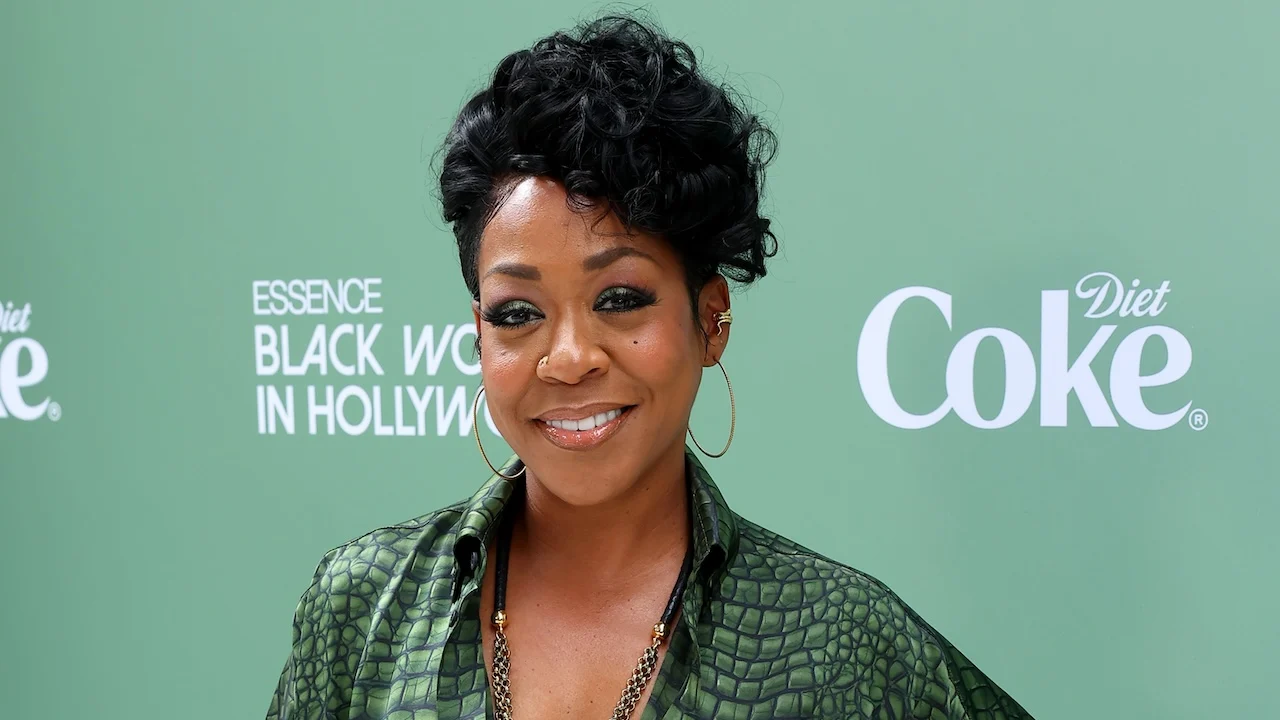
Tichina Arnold Addresses Colorism Controversy on Podcast
Tichina Arnold has made headlines recently not just for her illustrious career but also for her candid reflections on sensitive topics like colorism. After her appearance on Deon Cole’s podcast, “Funny Knowing You,” Arnold found herself needing to clarify comments she made, particularly regarding the notion of “reverse colorism.” This prompted her to take accountability and share her perspective on social media, highlighting the importance of discussion surrounding race and representation.
The Podcast Appearance
During the late 2025 episode of “Funny Knowing You,” Arnold discussed colorism in relation to her experiences on the hit TV show “Martin.” The conversation took a turn when Ari Lennox, a fellow artist, voiced her concerns about colorism, which led to Arnold’s comments. Acknowledging the delicate nature of the subject, Arnold aimed to shed light on her experiences, but her choice of words sparked debate, especially around the term “reverse colorism.”
Clarifying Missteps on Social Media
On January 8, Tichina Arnold took to Instagram to apologize for her misstatement. She emphasized the importance of being accountable for one’s words, saying, “Listen, we all have opinions. We all have our rights to opinions, but we also have responsibility.” Her admission of fault not only speaks to her character but also underlines a crucial commitment to continuous learning, irrespective of one’s age or status.
Arnold explained that while she was speaking from experience, she inadvertently misrepresented the conversation about colorism. She shared how discussions with her co-stars from “The Neighborhood,” Marcel Spears and Sheaun McKinney, clarified the nuances of the topic and led her to reconsider her phrasing.
The Insight from Co-Stars
In their conversation, Spears articulated an important aspect of colorism, stating, “Reverse colorism ain’t a thing; colorism is the system that benefits lighter-skinned people because it’s closer to white supremacy.” This commentary served to ground the discussion in a broader context of systemic privilege and highlighted Arnold’s initial misstep in framing her past experiences.
Arnold mentioned moments from “Martin” that illustrated the harsh realities of colorism, particularly how her co-star Tisha Campbell faced challenges from the audience. She recounted how, during live tapings, Campbell experienced negativity and hostility, exemplifying the detrimental effects of color-based bias.
Personal Experiences and Emotional Ramifications
Arnold reflected on the intensity of those moments during the show’s first season, recounting how audience reactions could be incredibly disheartening. “The whole first season, every time Tisha would walk out, you would hear groans. They wouldn’t laugh; they treated her horribly,” she shared. Such revelations not only shed light on the personal toll of colorism but also spark necessary conversations about the experiences individuals face within the industry.
Support from Tisha Campbell
Remarkably, Tisha Campbell, who has been a close friend and collaborator of Arnold since their early days in “Little Shop of Horrors,” offered her unwavering support. Commenting on Arnold’s Instagram post, Campbell wrote, “I love you Tichina!❤️ keep shining Tee. I will always have your back. Your heart is pure and your intentions were too.” Her response showcases both the depth of their friendship and the importance of solidarity in navigating complex discussions surrounding race and colorism.
The Bigger Picture
Arnold’s journey to accountability exemplifies the necessity of open dialogue in the face of cultural and societal challenges. While she acknowledges her misstep, the surrounding discussions emphasize the importance of understanding colorism in its complex forms.
By taking responsibility and engaging in conversations about race and representation, Tichina Arnold contributes to a larger dialogue that can inspire growth and understanding within the community. Despite the controversy, her actions serve as a reminder that recognizing and addressing systemic issues is a vital step in fostering a more inclusive world.