


The Legacy of “Martin” and Its Controversial Humor
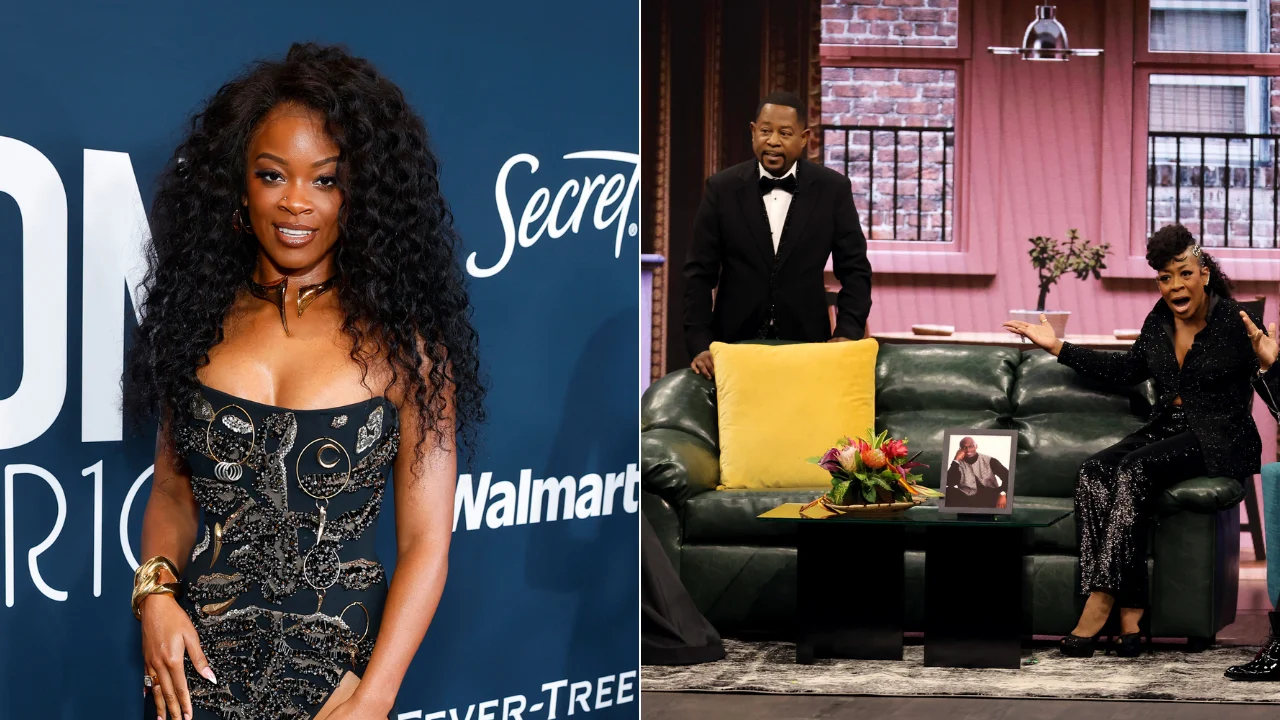
Part of the allure of the ‘90s sitcom “Martin” was the dynamic between comedian Martin Lawrence and actress Tichina Arnold, who portrayed Pam. Their playful roasting became a hallmark of the show, contributing to its success during its run from 1992 to 1997. However, not every viewer appreciated the banter, revealing deeper societal issues, including colorism.
In August 2025, R&B songstress Ari Lennox opened up about her discomfort with the way Lawrence’s character frequently joked about Pam. “The thing that pissed me off about Martin was how much he was goin’ in on Pam,” Lennox stated. “Even when the joking is like, ‘Damn, that was f****d up,’ there are some things where I draw the line.” Her comments ignited a conversation around the nuances of humor in the show, hinting at underlying themes of colorism in the jokes.
A Closer Look at the Dynamics
Lennox’s perspective resonated particularly with many who felt that Lawrence’s jokes reflected a more profound societal issue. As a dark-skinned woman, she expressed that these comments made her question both her worth and the representation of women like Pam. “Pam was so f**ing beautiful and so fine,” Lennox said, voicing how as a chocolate girl, she struggled to fully appreciate Pam’s greatness due to the nature of the jokes.
Tichina Arnold’s Response
Six months later, Arnold addressed Lennox’s comments during an appearance on Deon Cole’s show, “Funny Knowing You.” She acknowledged Lennox’s feelings, stating, “I understand completely what she said and I get it.” This acknowledgment highlighted the complexities of humor, especially revolving around race and colorism, and set the stage for Arnold to clarify the intentions behind the jokes on “Martin.”
Arnold explained that the character of Pam was not originally written with colorism in mind. “Pam was originally [written as] a heavyset girl, so all the jokes on my audition were fat jokes,” she revealed. “They ended up changing it when I got the role, obviously, because that’s when my body was banging.” This backstory underscores how the humor evolved, shifting from body-related jokes to exchanges that reflected a camaraderie among cast members.
Humor as a Form of Love
Despite the sensitive nature of their interactions, Arnold emphasized that the humor shared between her and Lawrence was born out of a spirit of fun. “All the funny really happened when those cameras weren’t rolling,” she noted. The repartee between the actors wasn’t merely scripted but stemmed from spontaneous moments of camaraderie. “Anything he and I did off the set, it would be in the script,” Arnold explained, suggesting a genuine bond that fueled their exchange of witty banter.
Arnold was adamant that the jokes were never meant to convey malice. “Those jokes were never written from [a place of] malice,” she clarified. Instead, they were crafted from a competitive ethos of who could deliver the best punchlines. In light of Lennox’s claims, Arnold offered a thoughtful piece of advice: “Maybe Ari, you need to talk to your friends and the people that you were around during that time who made you feel that way.” This encouragement pointed to a broader conversation about how personal experiences and societal narratives shape our perceptions.
Conclusion
Through the lens of “Martin,” the dialogue surrounding humor, race, and representation unfolds as a multifaceted narrative. The show remains a cultural touchstone, prompting ongoing discussions about the implications of comedy and the importance of understanding the intention behind humor. Arnold’s insights serve as a reminder of the complexities involved, challenging viewers to reflect on the broader implications of artistic expression.