


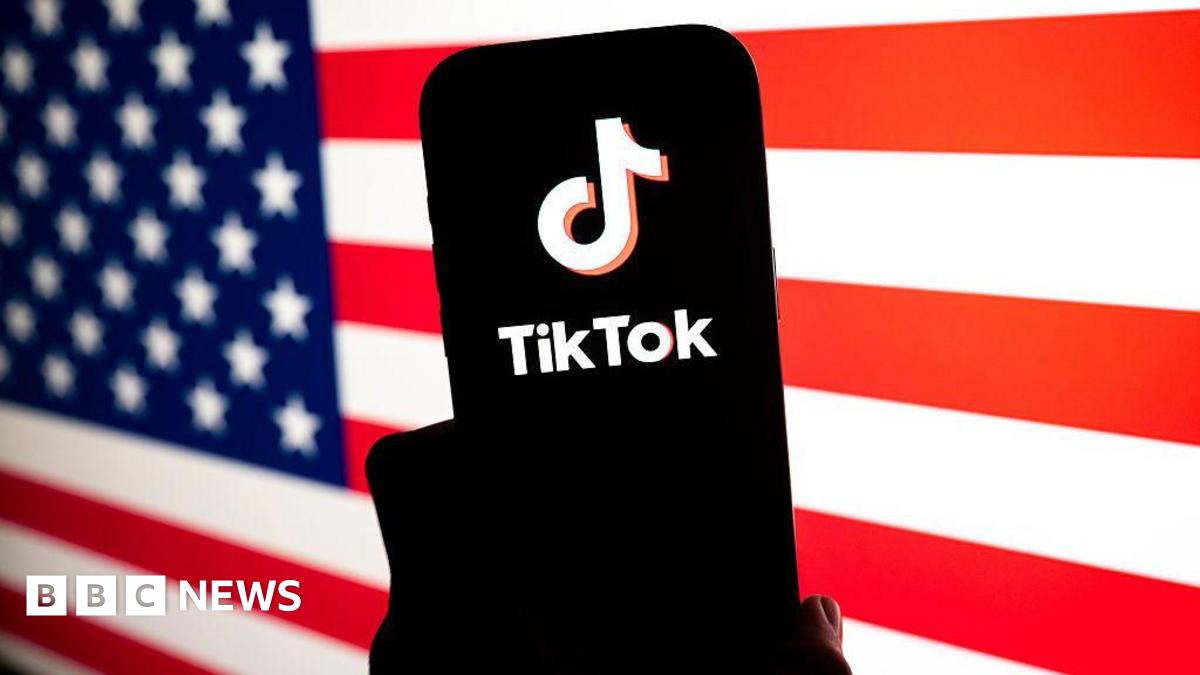
A Timeline of TikTok’s Turbulent Journey in the U.S.
The story of TikTok and its complex relationship with the U.S. government is one that highlights the interplay between social media, national security, and international relations. This timeline tracks significant events from the warning signs to the governmental actions that shaped TikTok’s fate in America.
July 2020: Concerns Rise
In July 2020, former President Donald Trump first floated the idea of banning TikTok, marking the beginning of a contentious dialogue. He cited concerns over China’s handling of the COVID-19 pandemic and suggested that the app posed risks to U.S. national security. Lawmakers quickly followed suit, raising alarms about the platform’s content and data privacy issues. They worried that Chinese officials might exploit TikTok for espionage, given its vast American user base.
August 2020: The Executive Orders
By August 2020, the issues reached a boiling point. Trump issued an executive order targeting TikTok with broad sanctions. Within days, another order followed, compelling ByteDance, TikTok’s parent company, to sell its U.S. assets to an American firm. These aggressive moves sent tremors through the tech community, igniting debates about regulation, commerce, and freedom of expression.
February 2021: A New Administration’s Stance
When Joe Biden took office in early 2021, he inherited this contentious issue. In February, he decided to postpone any legal proceedings tied to Trump’s attempts to ban the app, opting for a more comprehensive review of the national security implications. This shift signaled a potential reevaluation of the previous administration’s approach, opening the door for negotiation rather than outright prohibition.
December 2022: Renewed Security Warnings
By the end of 2022, the controversy was reignited when FBI Director Christopher Wray voiced profound national security concerns about TikTok. He specifically warned that Chinese authorities could manipulate the app’s algorithm, further intensifying the scrutiny surrounding its operations and data use. This assertion echoed the persistent fears shared by many lawmakers regarding foreign influence and user privacy.
March 2024: Legislative Momentum
Moving into 2024, the urgency to address the TikTok predicament surged. A bill advocating for either an outright ban of the app or a forced sale of its U.S. assets gained traction in Congress. Lawmakers began to rally around the idea, emphasizing the pressing need to protect American users from potential exploitation. The political climate created a perfect storm for decisive action.
April and May 2024: Law Passed
In a significant legislative move, Congress passed a national security law that effectively banned TikTok. President Biden signed it into law, marking a pivotal moment that showcased the extent of ongoing bipartisan concerns about the app. The implications were profound—not just for TikTok but also for the broader tech landscape in the U.S.
May 2024: Legal Challenge
In response to the newly enacted law, TikTok, along with ByteDance, filed a lawsuit against the U.S. government. They argued that the ban was unconstitutional, asserting that it violated free speech rights. This legal battle added another layer of complexity to an already fraught situation, suggesting that the fight over the app wouldn’t be resolved easily.
June 2024: Trump’s Return to TikTok
As the legal turmoil unfolded, Trump, now campaigning for a second term, re-emerged in the TikTok conversation. He joined the platform and began posting campaign-related content, defying the ongoing legal issues. This maneuver not only underscored the platform’s influence but also highlighted its potential political clout.
January 17, 2025: Supreme Court Ruling
After a protracted legal battle, the U.S. Supreme Court ruled in favor of the government, upholding the law that mandated TikTok’s spinoff from ByteDance. This landmark decision was pivotal as it illustrated the judiciary’s role in adjudicating issues surrounding national security and international business relationships, leaving millions of users in anticipation of the app’s future.
January 18, 2025: The Ban Takes Effect
On January 18, 2025, TikTok briefly went dark for U.S. users as the ban officially took effect. This blackout lasted between 12 to 14 hours and sent shockwaves through the app’s massive user base. The situation rapidly evolved, however, as Trump promised to sign an executive order delivering a temporary 75-day stay on the ban, signaling that the story was far from over.
September 2025: A New Deal with China
Fast forward to September 2025, Trump surprised many by announcing a deal with Chinese officials to allow TikTok to continue operating in the U.S. This apparent resolution shifted the narrative yet again and hinted at the geopolitical complexities entwined with digital platforms in today’s interconnected world.
The saga of TikTok in the U.S. serves as a vivid illustration of how social media evolves amid political tensions, national security concerns, and the intricate web of global commerce. Each phase of this timeline not only registered the power of digital platforms but also highlighted the governing challenges faced by lawmakers in a rapidly changing technological landscape.