


The Impact of New National Park Fees on Foreign Visitors
In a significant policy shift, the Department of the Interior has announced plans that will affect foreign visitors hoping to explore the breathtaking landscapes of U.S. national parks. This move, introduced under the “America First” policy umbrella, comes with a hefty price tag for international travelers, set to take effect on January 1, 2026.
The Fee Structure
Starting in 2026, U.S. residents can acquire an annual pass to visit national parks for $80. In stark contrast, non-residents will face a steep price increase, with an annual pass costing $250. Moreover, non-residents without an annual pass will be charged $100 per person to enter 11 of the most popular national parks, alongside any standard entrance fee. These changes are aimed at balancing the benefits that U.S. taxpayers receive from their investment in national parks while ensuring that foreign visitors contribute to their upkeep.
The Selected Parks
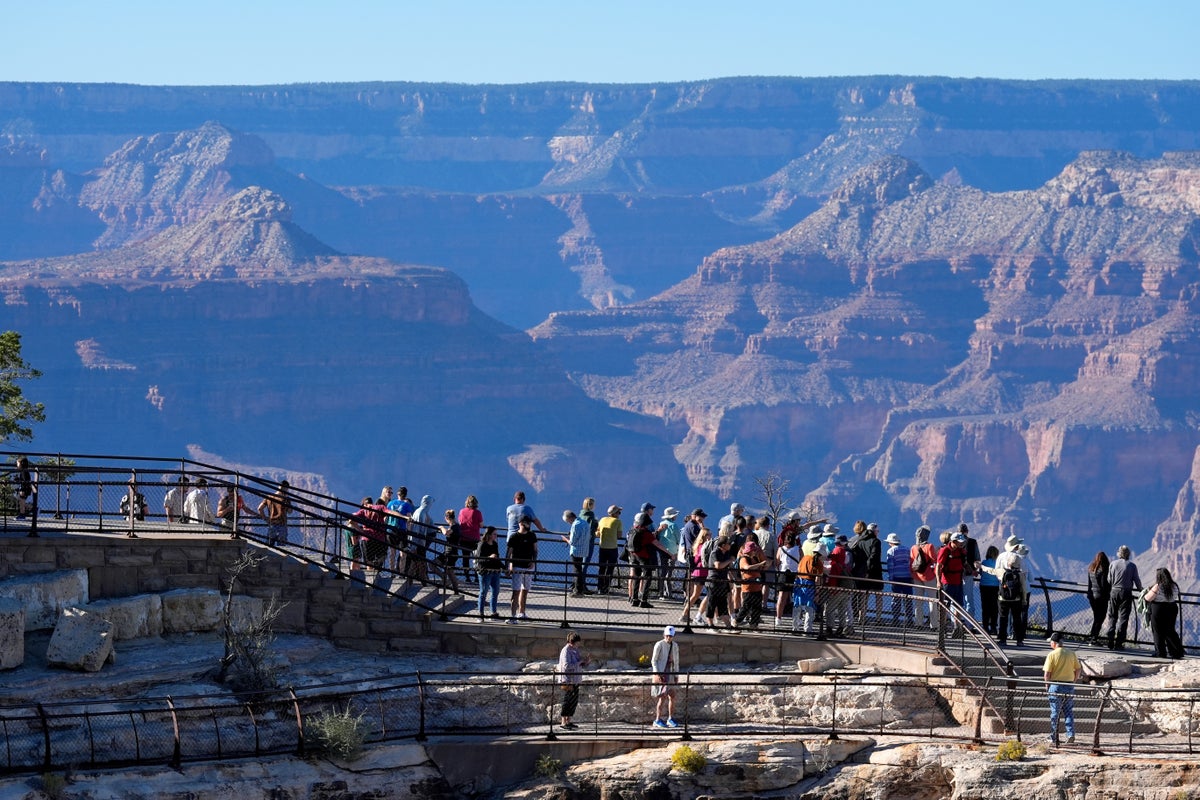
The plan encompasses several iconic national parks, including Acadia in Maine, the Everglades in Florida, and famous sites like Yellowstone and the Grand Canyon. Notably, parks such as Zion and Glacier are also part of this pricing overhaul. The intention behind this price hike is tied to the increasing operational costs associated with maintaining these natural wonders while recovering from the staffing challenges faced during the prolonged government shutdown.
Challenges Faced in the Parks
The government shutdown revealed vulnerabilities in park management, leading to incidents such as overflowing restrooms, unkempt trails, and even wildfires caused by lack of supervision. Environmental degradation during these periods has raised alarms about the sustainability of natural spaces and the services offered to visitors. The new fee structure aims to address these issues and ensure that parks can be maintained effectively.
A Focus on American Taxpayers
As Secretary of the Interior Doug Burgum emphasized, the new policy is designed to prioritize American taxpayers. With foreign visitors now facing increased fees, the expectation is that these changes will provide residents enhanced access to their national parks while simultaneously contributing necessary funds for maintenance and improvements. Notably, there will also be fee-free days available for U.S. residents on certain patriotic holidays, further enhancing access.
Modernizing Park Access
Accompanying these fee changes are plans to modernize access to national parks. This includes introducing fully digital formats for the America the Beautiful passes, which will simplify the purchasing process through Recreation.gov. Additionally, updates to the annual pass artwork and expanded motorcycle access are on the agenda, showcasing efforts to enhance the visitor experience.
Public Reaction
The public’s response to the new design of the passes has been mixed, with some expressing discontent over the portrayal of political figures like Donald Trump alongside national symbols. Comments on social media reflect a wide range of sentiments, highlighting the sensitivity surrounding the interplay of politics and national identity.
Conclusion
As the U.S. government prepares for the implementation of these substantial changes to national park fees, the implications for foreign visitors and the overall experience in America’s natural treasures remain to be seen. While the intent is to bolster support for park maintenance and operations, it also raises questions about accessibility and equity in enjoying these shared national resources. The evolving landscape of national park access continues to spark conversation and debate among visitors, residents, and policymakers alike.