


Incident Overview
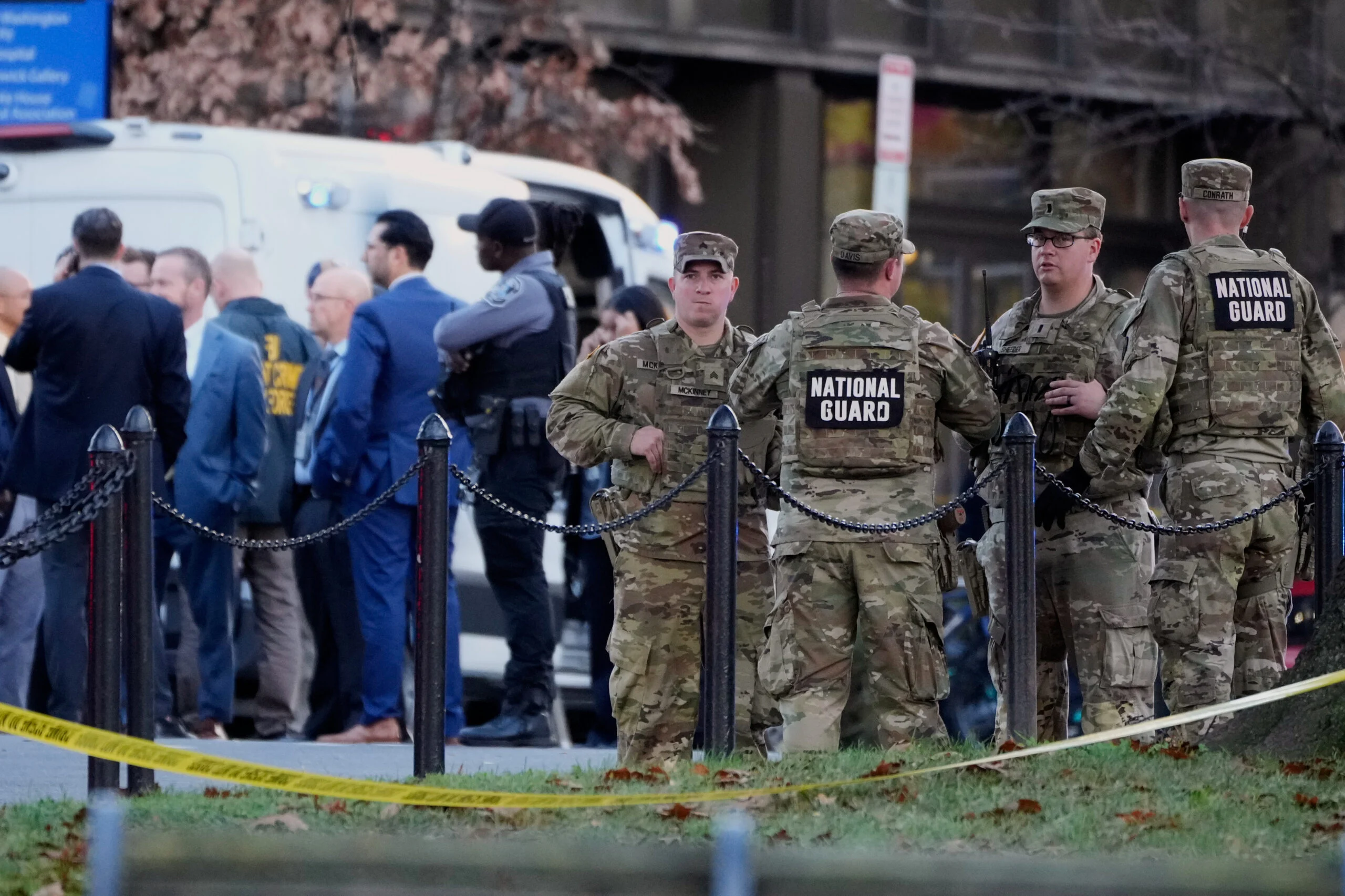
On a seemingly ordinary day in Washington, D.C., chaos erupted just blocks from the White House when two West Virginia National Guard members were shot. This alarming incident has drawn significant attention, highlighting ongoing concerns about safety in the nation’s capital amidst a backdrop of increased military presence and rising crime rates.
Critical Condition of Guardsmen
The two Guardsmen were hospitalized in critical condition following the shooting, which Washington Mayor Muriel Bowser described as a “targeted shooting.” Their injuries sparked immediate concern and led to conflicting reports about their status, particularly from West Virginia Governor Patrick Morrisey, who initially declared them deceased before later retracting that statement, acknowledging the uncertainty surrounding their condition.
Suspect and Law Enforcement Response
A suspect involved in the shooting was taken into custody and reportedly suffered non-life-threatening wounds during the altercation. Law enforcement officials, under strict confidentiality, stated that a thorough investigation was underway, including the analysis of surveillance video from the scene. Eyewitnesses reported seeing one of the Guardsmen engage in gunfire with the shooter, raising questions about the attacker’s motive and intent.
Heightened Military Presence
In the wake of this incident, the Trump administration ordered an additional 500 National Guard members to Washington, citing the need for enhanced security in light of rising concerns about crime. With over 2,188 troops currently deployed, this marks a significant increase in military presence in the city. The deployment of National Guard members has become a contentious issue, prompting debates around the appropriate use of military forces in urban areas.
Public Reactions and Eyewitness Accounts
Witnesses like Stacy Walters, who happened to be near the scene during the attack, expressed shock and disbelief. “It’s such a beautiful day. Who would do this?” she questioned, reflecting the wider sentiment of confusion and anger following the violent act. The quick response from law enforcement and emergency services was palpable, as first responders were seen administering CPR and providing immediate care to the injured Guardsmen amid a chaotic scene.
Political and Social Implications
The shooting not only highlights individual acts of violence but also underscores broader themes of public safety and the role of the National Guard in urban policing. The military’s involvement has stirred both support and criticism from various quarters, questioning whether this approach effectively addresses increasing crime. This incident could serve as a catalyst for further discussion on state and federal policies regarding security and military deployment in civilian areas.
Federal Leadership Responses
In a show of support, President Trump expressed his condolences and solidarity with the National Guard, asserting that those responsible would face severe consequences. Vice President JD Vance also weighed in, urging people of faith to pray for the Guardsmen while emphasizing the critical role that soldiers play in protecting the country.
Ongoing Investigations and Future Considerations
Authorities are meticulously examining evidence and witness testimonies to ascertain the motivations behind the shooting. As law enforcement continues to address the pressing questions surrounding this act of violence, the community remains on high alert, grappling with the implications of living in a city marked by heightened military presence.
The narrative surrounding this incident is far from over. As investigations unfold and the condition of the Guardsmen is closely monitored, the people of Washington D.C. and beyond will be watching how this unusually violent day will shape the conversation around public safety, military involvement, and community well-being.